
International Day
Principal’s Corner
by Mr. Andrew Powell, EY-G12 Principal
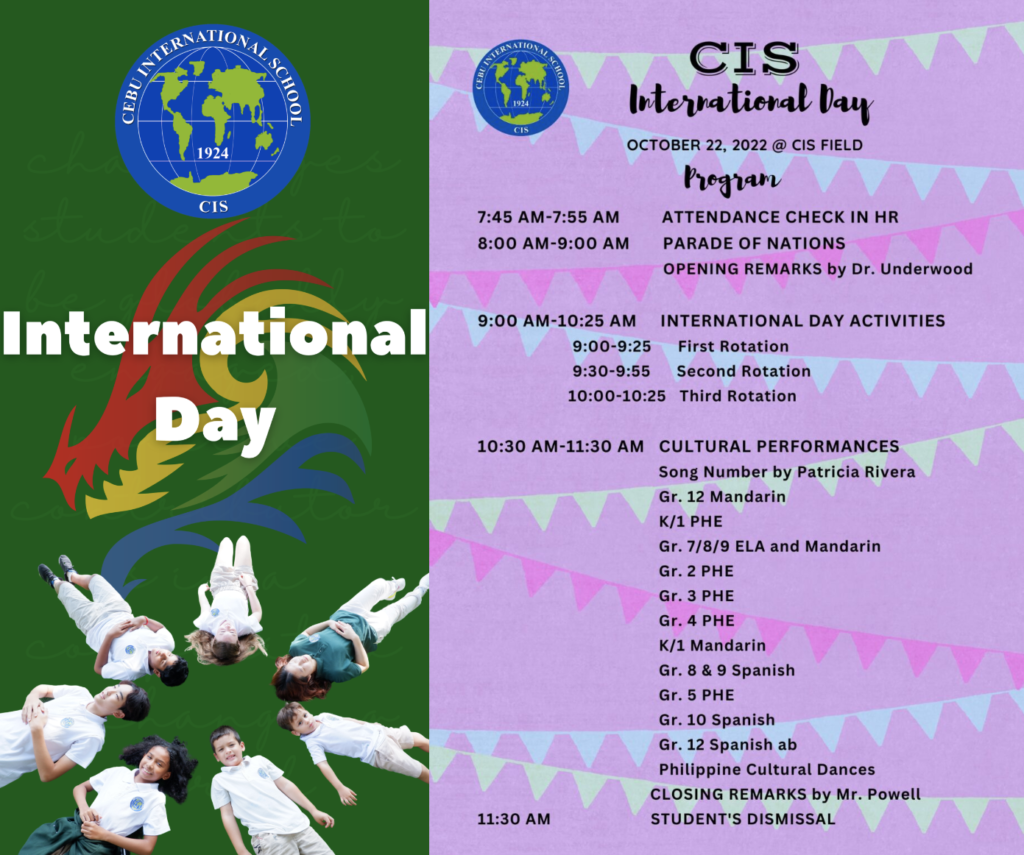
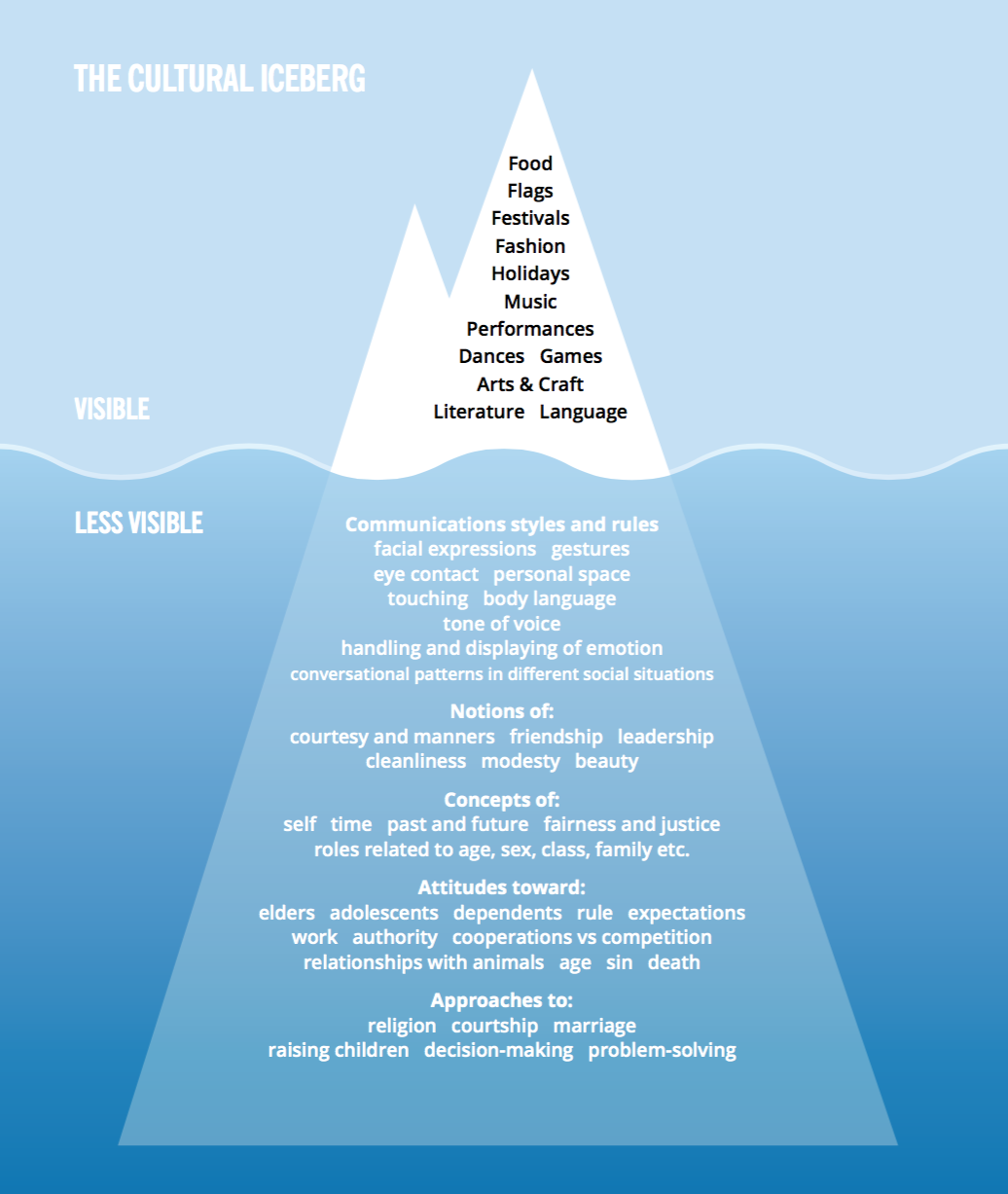
Throughout the week CIS has placed a focus on learning about others through their culture and on the weekend, we look forward to celebrating International Day and the diversity of our community. While our Parade of Nations will make for some stunning photographs, which will serve as a colorful reminder of the countries and cultures that we identify with, what is even more significant, is that our diverse community learns, plays, and grows together in a caring and accepting environment.
Due to the international nature of our school, and the intentionality of our programs, our students live their lives through a framework that promotes global citizenship and international mindedness. They develop a value and understanding of different cultures while recognizing that diversity brings with it strength through exposure to different perspectives.
The experiences of our students are both individual and shared. Each of them have their own unique experiences, life stories and family histories. Understanding the historical and cultural context of these experiences allows them to appreciate the work and sacrifice of those that have come before them. We trust that through our students’ engagement with each other as well as their academic program at CIS, they are also being well prepared to work towards a better future.
I look forward to sharing in a rewarding International Day on Saturday, October 22nd and know that the ethos of this day will feature in much of what we do throughout the school year.
Upcoming events of note
- Oct. 17-21: Culture Week
- Oct 22 (morning): International day
- Oct. 24-28: Book Week (Book Parade 28)
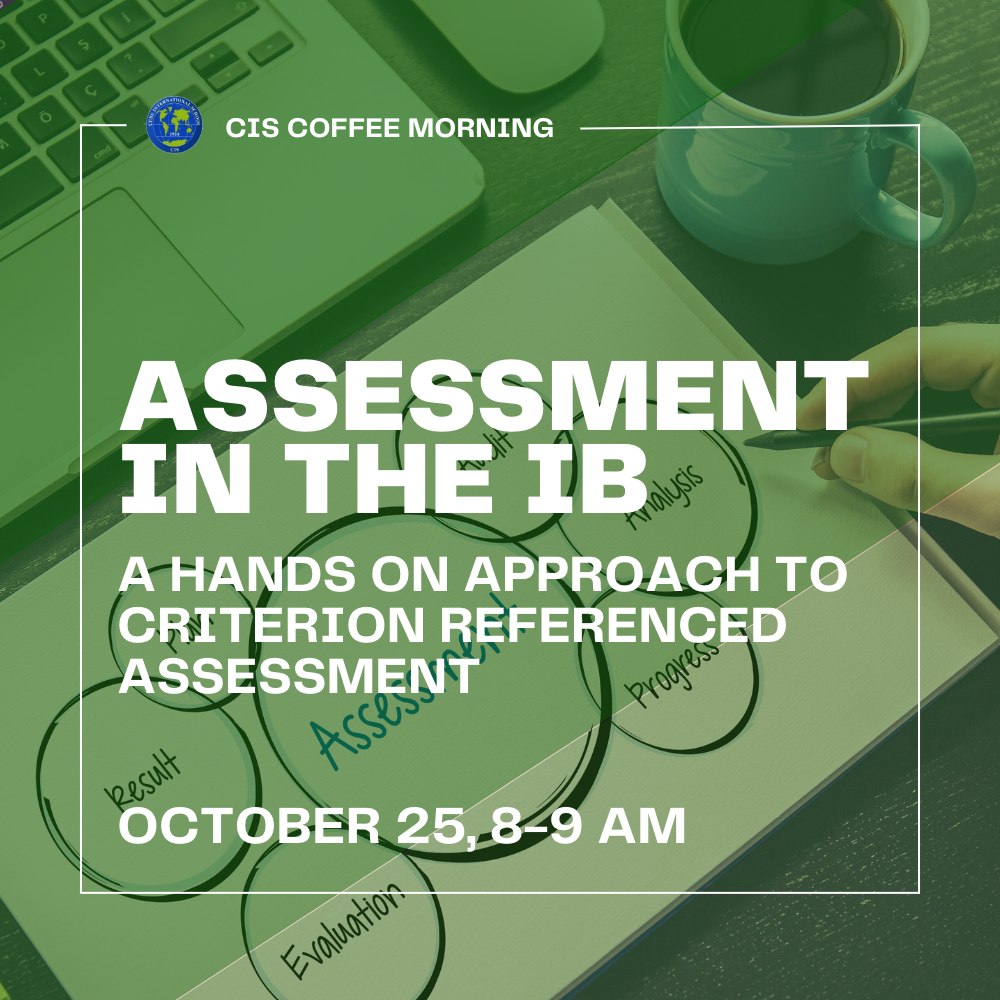
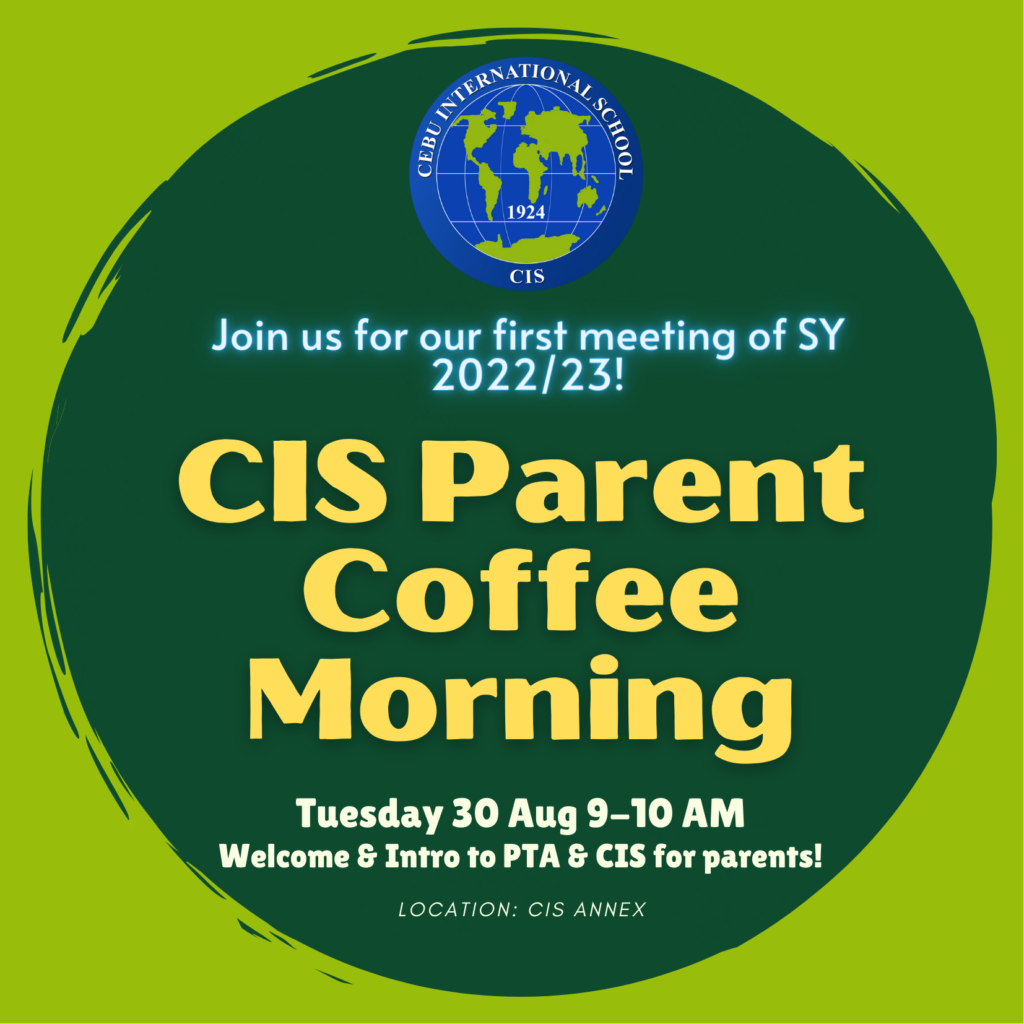
- Oct 25: Parent Coffee 8-9 am (CIS Annex)
- Oct. 31-Nov. 2: School and Public holiday
Please refer to the CIS Event Calendar for the complete calendar of school events.
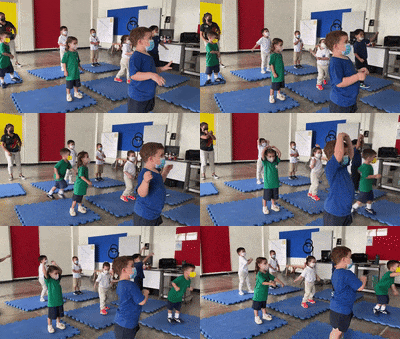
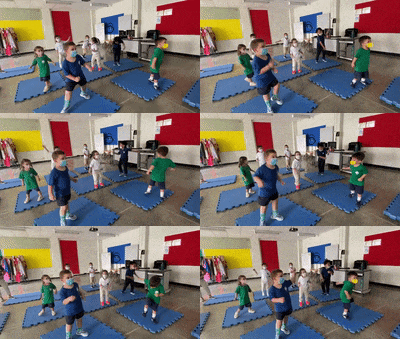
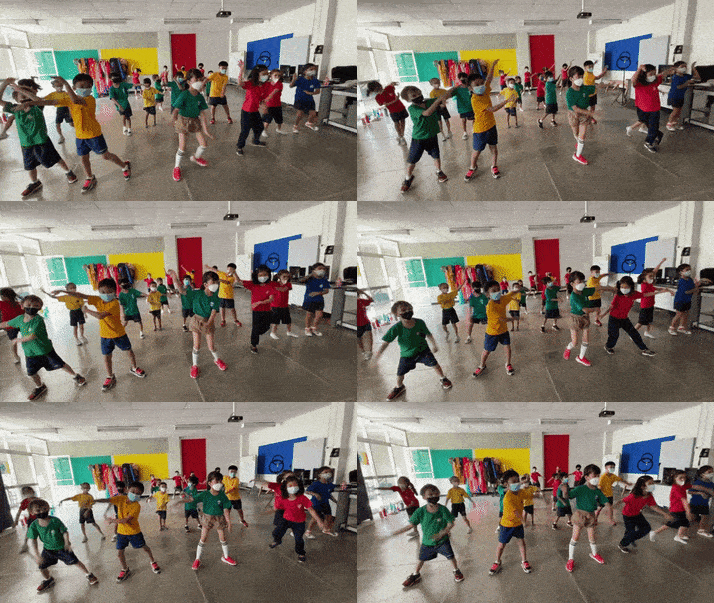
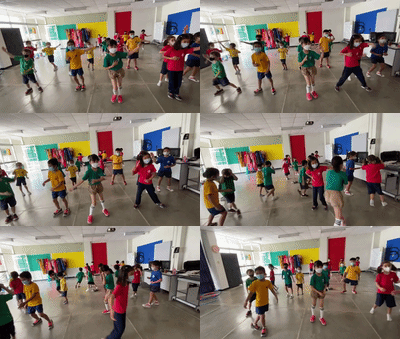
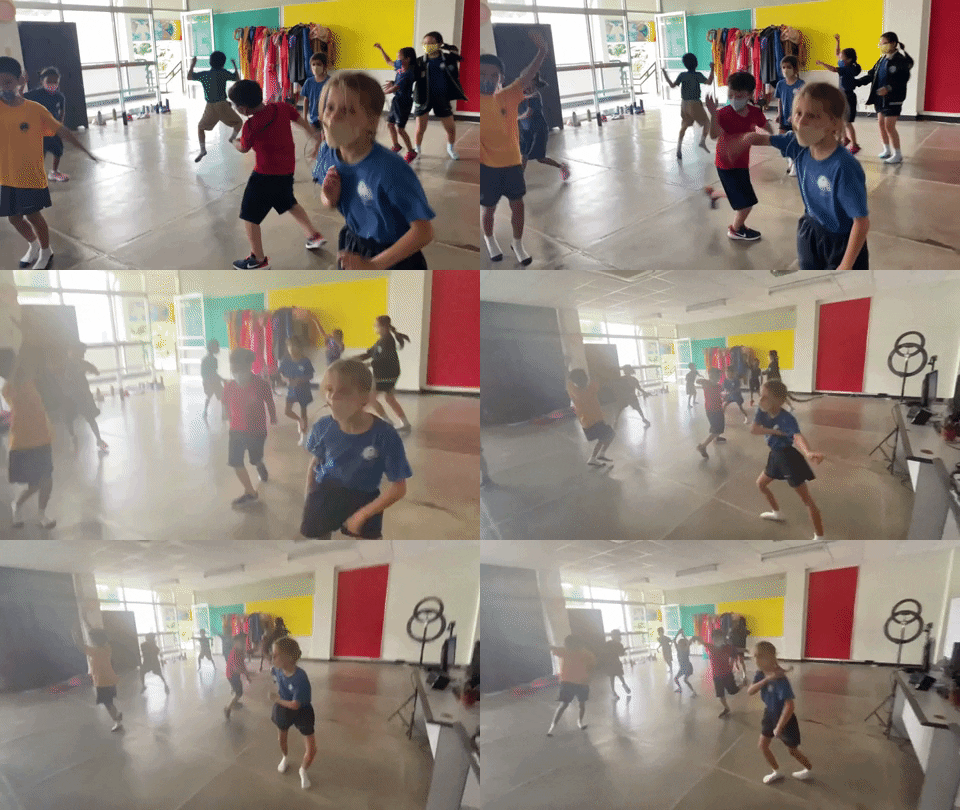
Elementary: PHE
by Mr. Jaydil Hermias, Elementary PE Teacher
EY2/3
KG/1
Grades 2/3
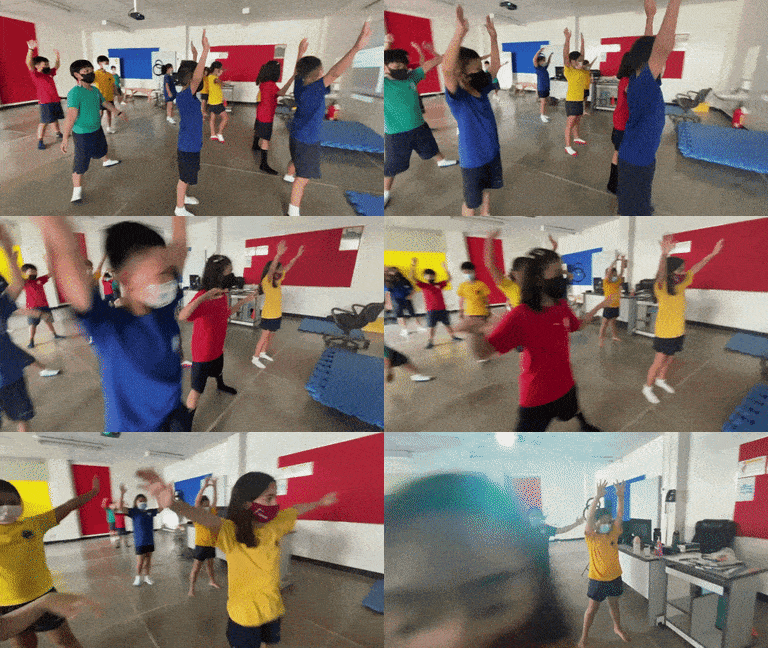
Grades 4/5
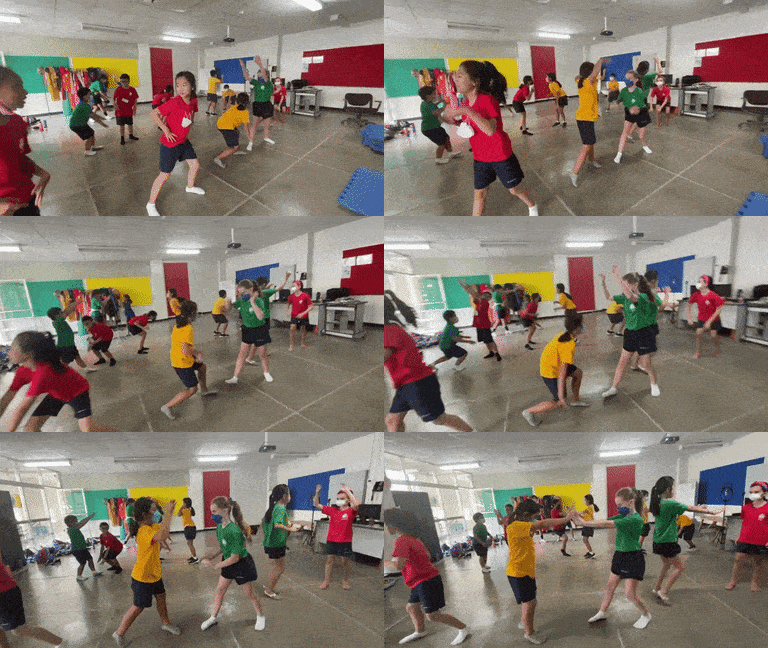
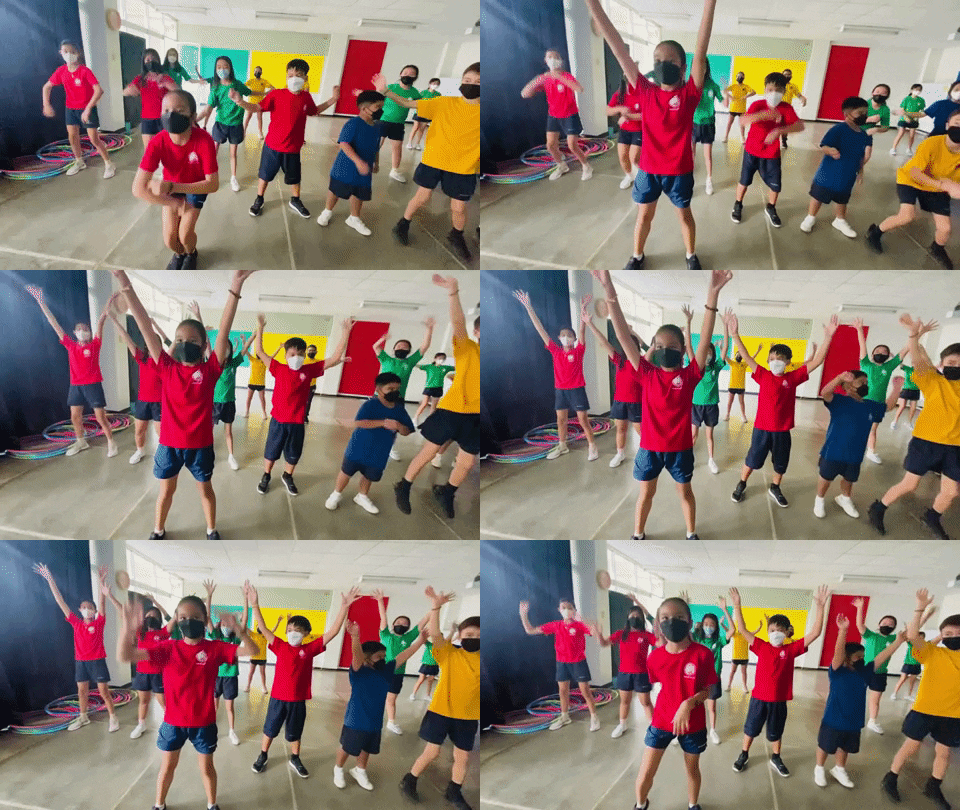
PYP Art
by Mr. Fher Jun Guiritan, Elem Art Teacher
Celebration of Students’ Work
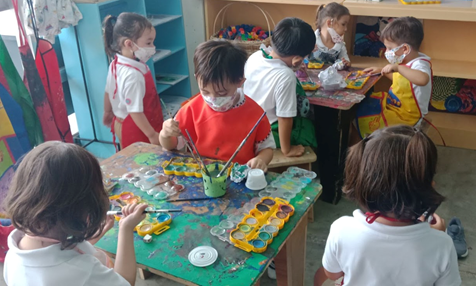
Introduction
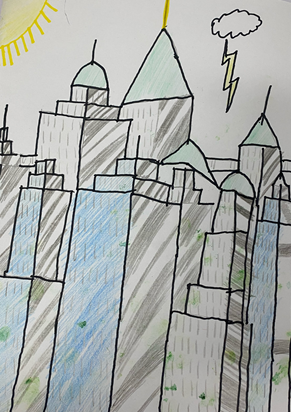
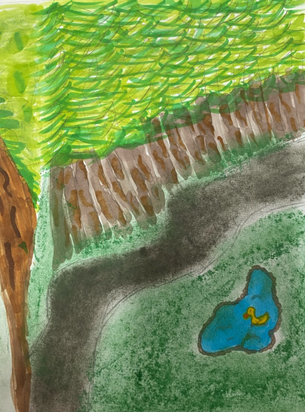
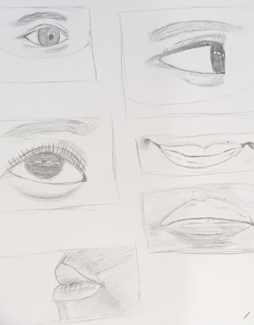
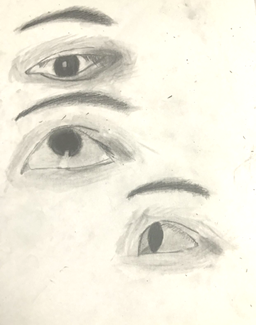
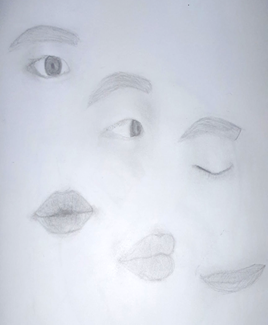
Elements of art are the physical parts of the work, including line, shape, form, space, texture, value, color, and time. Principles of art are the ways in which those parts are arranged, including unity/variety, balance, contrast, emphasis, movement, rhythm, and pattern.
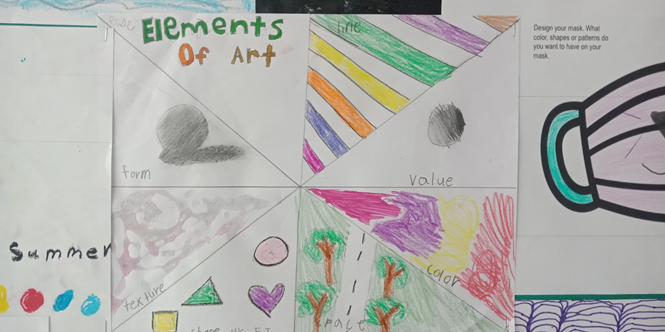
The elements of art allow us to represent and appreciate ourselves.
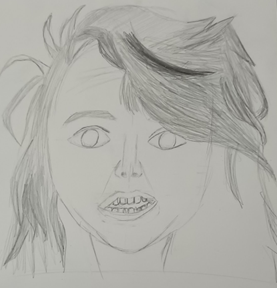
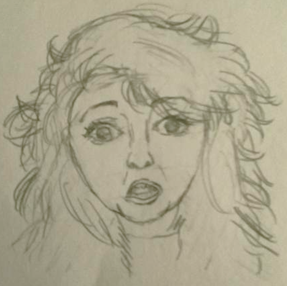
 The PYP visual arts class explored the concept of SELF-EXPRESSION through the study of “Elements of arts” These are the physical parts of the work, including line, shape, form, space, texture, value, color, and time. Principles of art are the ways in which those parts are arranged, including unity/variety, balance, contrast, emphasis, movement, rhythm, and pattern.”
The PYP characterizes the ability of each student to create an artwork through the mastery of techniques required by each of the art elements. It also encourages students to be inspired through the art knowing that art is inspired by persons’ individualized interests, ideas, emotions, needs, or preferences, the accomplishments are most rewarding and self-esteem is boosted.
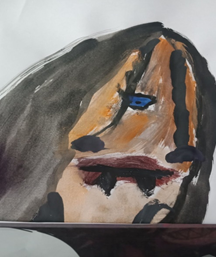
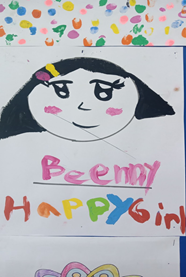
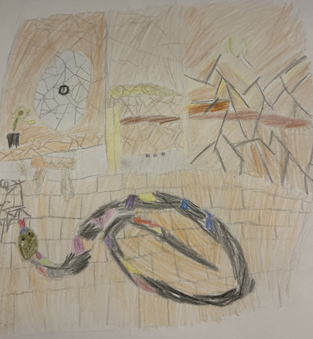
In EY and K/G1 students were introduced to the different elements and how these elements may be used to create a drawing of THEMSELVES, “An appreciation and representation of their own work”. Also highlight that their own uniqueness may create a different yet meaningful art piece.
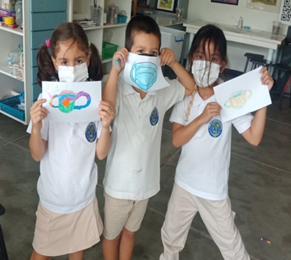
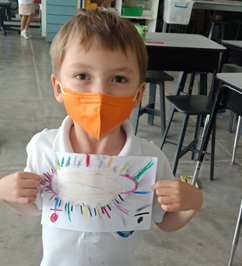
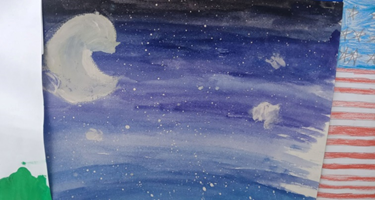
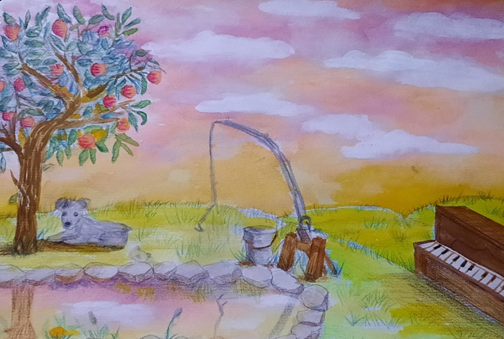
In grades 2 and 3, they are tasked to develop refined motor skills that are urged in the process of creating their own work and through purposeful observation that reflects introspection.
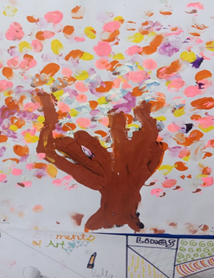
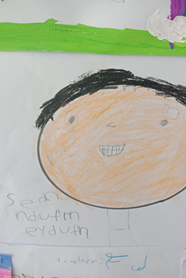
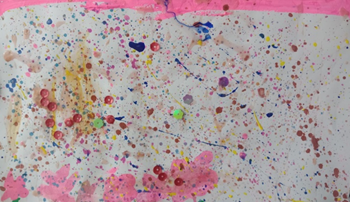
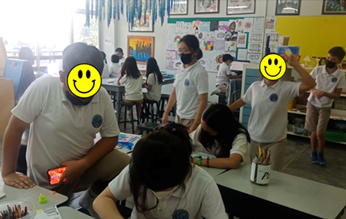 The grade 4 and 5 are tasks to develop prior knowledge about these elements of art and come up with a concrete art piece that reflects their knowledge, choices, ideas, opinions and beliefs inline with the correct application of these set skills needed.
CIS Book Week
by Ms. Mary Jean Cordova, Media Literacy Teacher
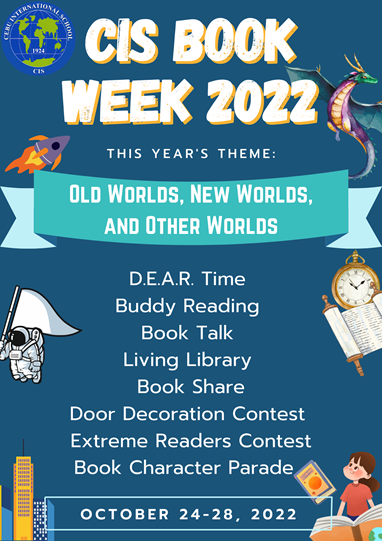
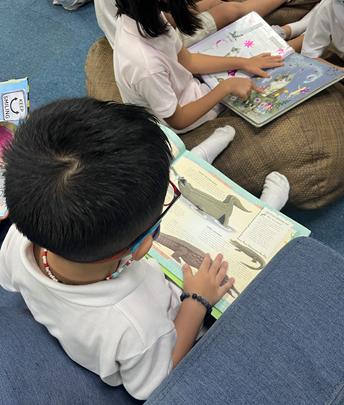
Book Week 2022 is happening next week from October 24-28. This is an annual event at CIS, which has always sparked interest from our young readers. The activities available for our bookworms next week include D.E.A.R. Time, Book Talks, and a Living Library. Now that we are face-to-face in school, some old favorites for this time of the year are back to inspire the community, such as the Door Decoration Contest, BookShare, and the Book Character Parade. An opportunity to build more connections through reading this school year is happening, too, with Buddy Reading. If you get lost reading a book, then the Extreme Readers Contest is for you! Our theme this year is “Old Worlds, New Worlds, and Other Worlds”. Reading takes us to different places. Where does reading take you?
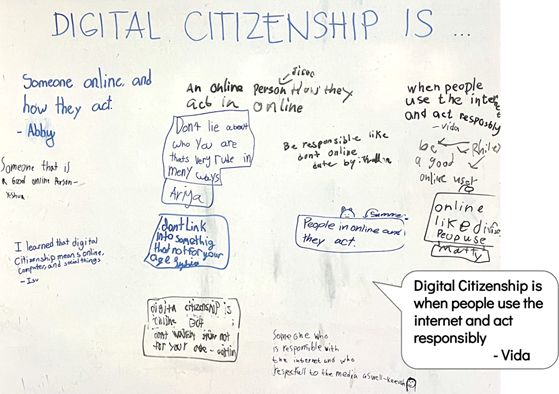
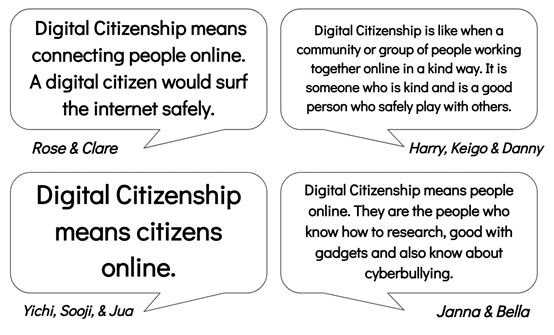
Digital Citizenship
by Ms. Aimee Underwood, Grade 5 Teacher
Did you know? At CIS, we challenge our students to be globally engaged, positive contributors in a competitive, changing world (CIS Vision Statement). As part of this, we prepare our students to thrive in a constantly evolving technological landscape by teaching important media literacy skills across disciplines and all grade levels.
Learn more about how we use the seven ISTE Standards for Students that help transform and redefine learning through student-driven exploration, creativity, and discovery.
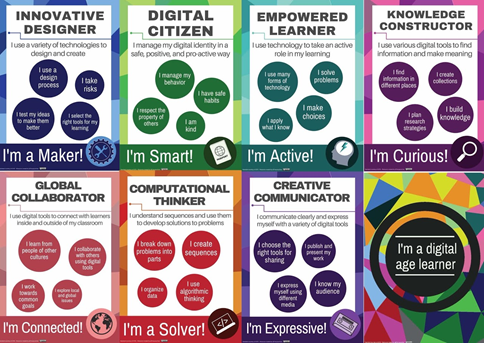
These ISTE standards are also embedded in our school-wide essential agreements on technology usage, developed in collaboration with members of the CIS community over the last three years.
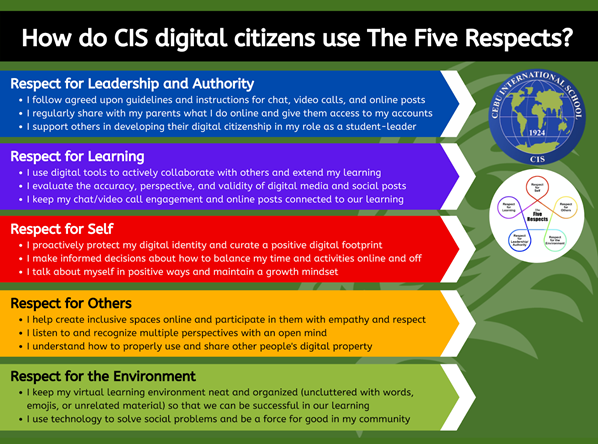
In what ways have you been an empowered digital citizen and lifelong learner this week? Look out for more information as we continue to celebrate Media Literacy Week next week!
ISAC Pep Rally
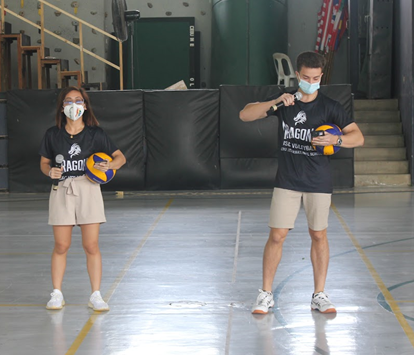
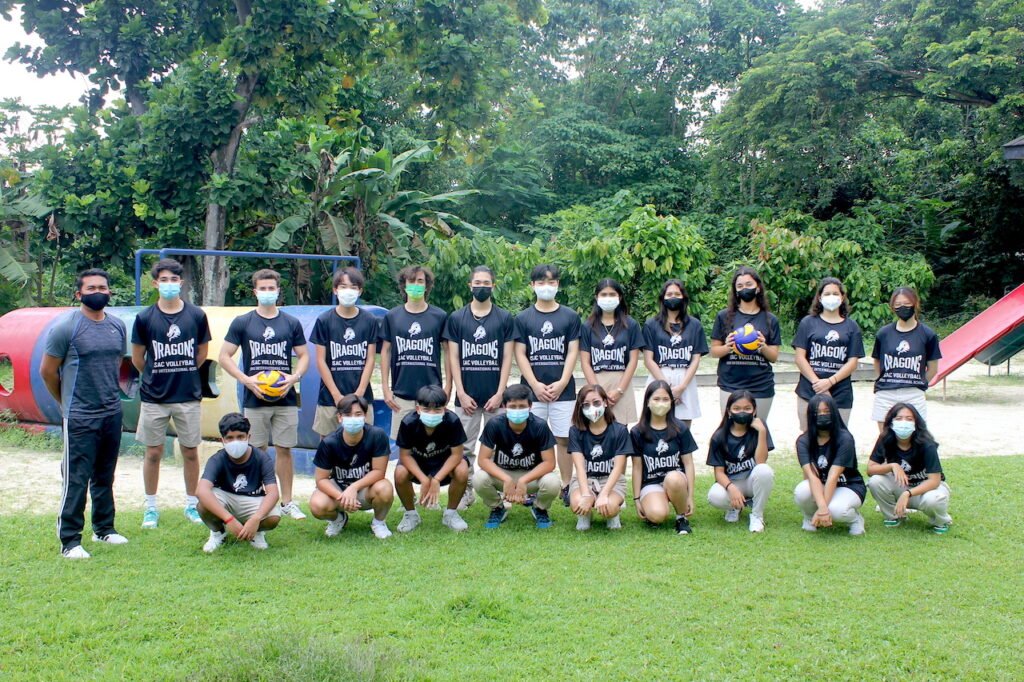
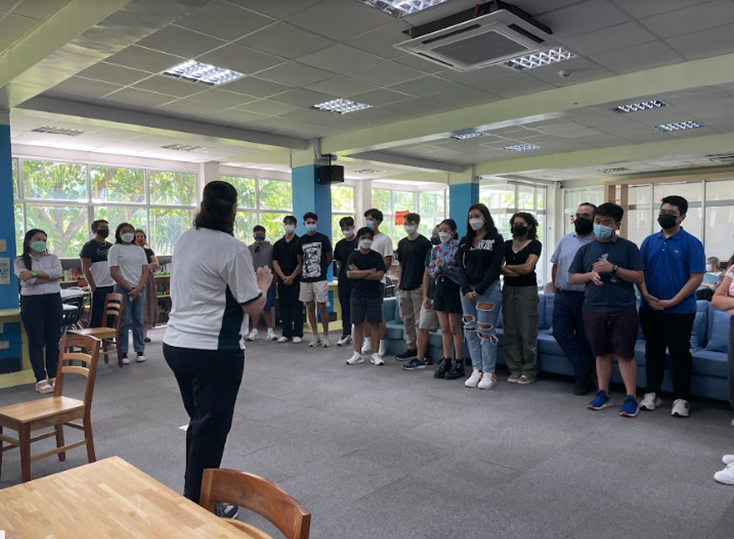
On Thursday 20 October, the MHSStudent Council hosted a Pep Rally to support the students who will be traveling to Manila this weekend for the ISAC Volleyball friendly. This marks the return of ISAC, which has been on hold since just before the pandemic lockdown.
We wish our CIS teams all the best for a safe and enjoyable tournament. Go Dragons!
Grade 12: Visual Arts
by Ms. Gerri Ancajas Jumao-as, MYP/DP Teacher
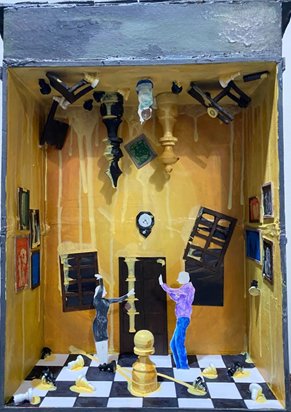
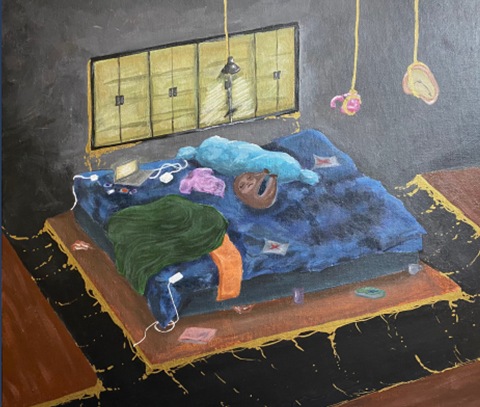
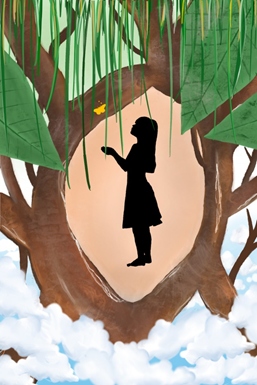
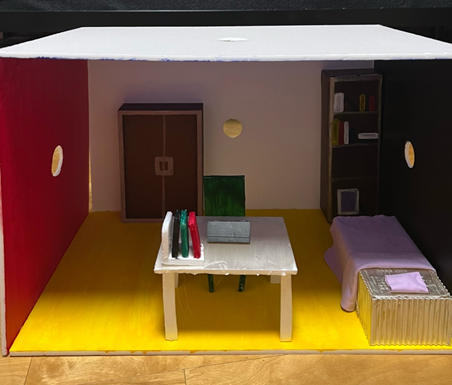
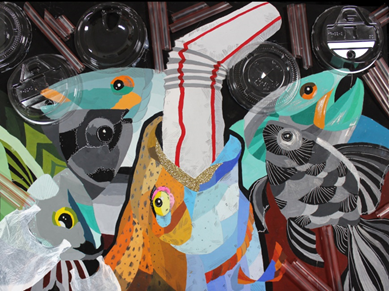
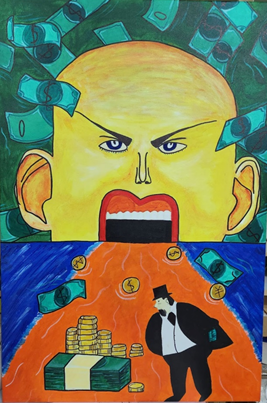
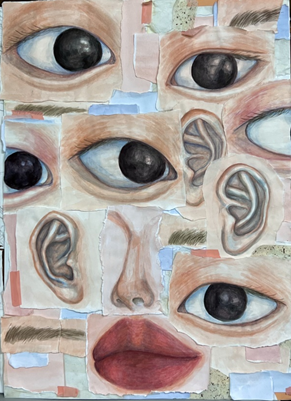
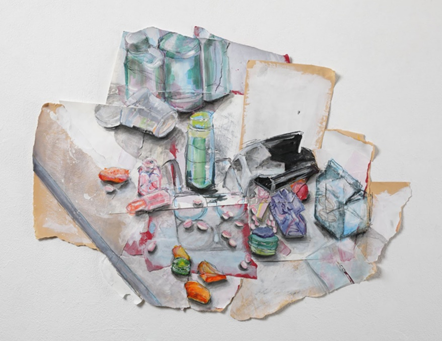
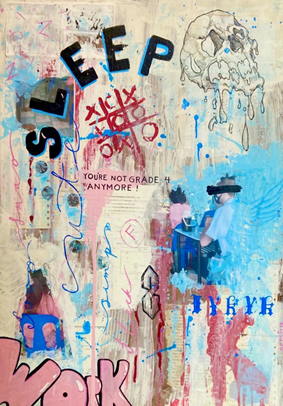
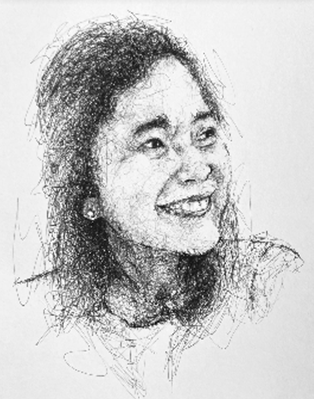
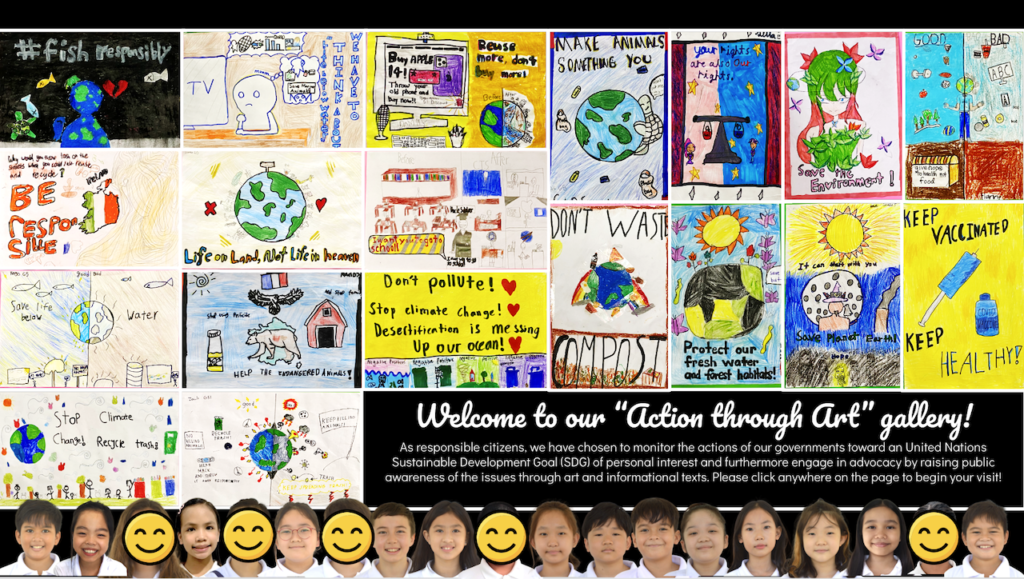
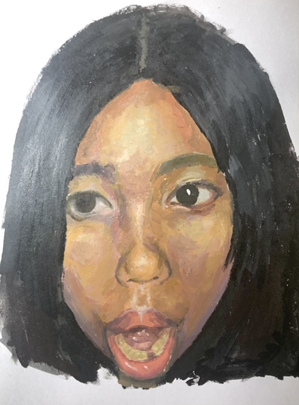
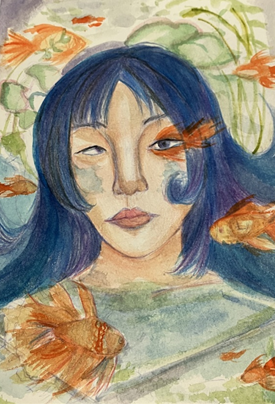
The Gr. 12 Visual Arts students are now in the process of preparing for their Exhibition in March, 2023. They explored varied styles and media such as oil, acrylic, digital and mixed media. The exhibition is a culmination of their 2 years study of IB Visual Arts where each student was challenged by their own creative expectations. The students delved into a variety of themes and concepts, each one drawing on their personal inspiration and experiences to produce their body of work. They also faced some challenges such as selection of materials, planning for each piece, and mastering a technique or style.
The artworks below showcase the way the students have engaged with their chosen medium and technique, and the development of their ideas.
Dragon’s Print
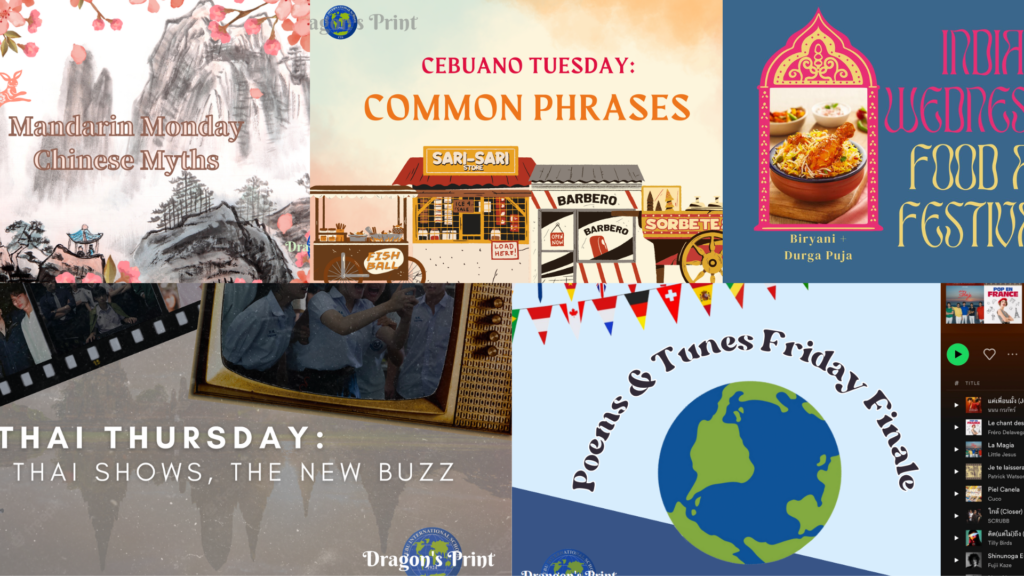
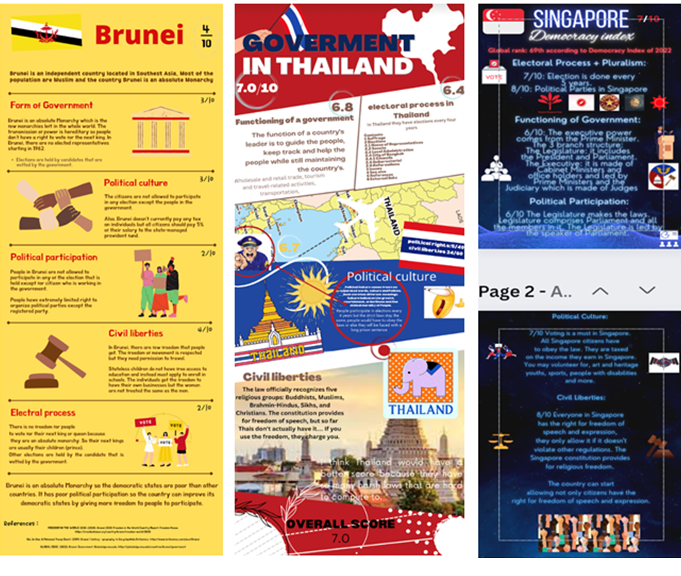
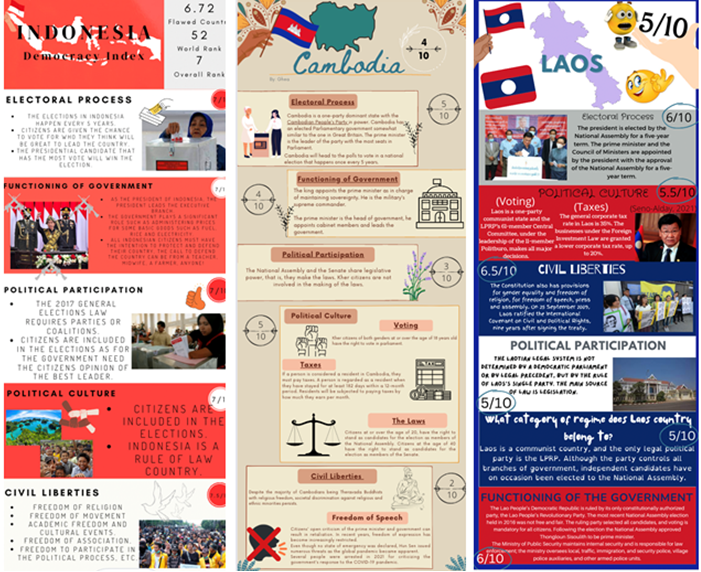
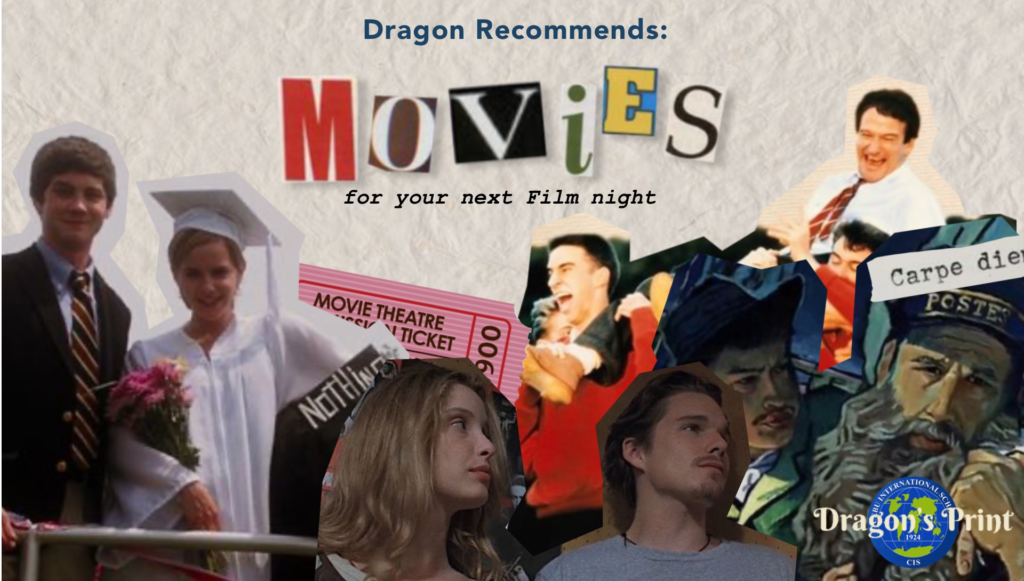
As a part of International Week, Dragon’s Print wanted to celebrate by releasing one article each school day of this week. The CIS community has a variety of members from all over the world and there is so much to learn from the countries that these members are a part of. Each article aims to highlight an important aspect of these countries and allow us to gain new perspectives on cultures that are not our own. Check out all these articles on http://dragonsprint.cis.edu.
College/Careers Counselor Corner
by Ms. Jenny Basa, College/Careers Counselor Corner
College Events (Virtual and Face to Face)
DATE
October 25
Tuesday
9:15 – 10:00 AM
Canteen Annex
EVENT
City University of Hong Kong – – Info session with the university rep with Q & A

November 8
Tuesday
Link to register
Windesheim University of Applied Sciences – Learn more about their programs and studying in the Netherlands.

SAT Update
2022–23 School Year Test Dates
| SAT Test Date | Deadline for Registration, Changes and Regular Cancellation |
| December 3, 2022 | November 3, 2022 |
| March 11, 2023 (Digital) | February 24, 2023 |
| May 6, 2023 (Digital) | April 21, 2023 |
| June 3, 2023 (Digital) | May 19, 2023 |
Test dates labeled Digital means that students will bring a device to the test center and take the exam using their device. The College Board may provide devices for test-takers who do not have access to a device. All test-takers for Digital SATs are still required to report physically to the test center to take the test.
To register for the SAT, you may click on this link. If you need assistance or have any questions, please feel free to email Ms. Jenny Basa at jbasa@cis.edu.ph.
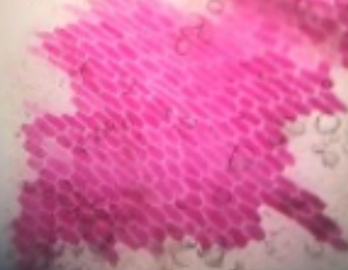 Practical 1: Use of a light microscope to investigate the structure of cells and tissues, with the drawing of cells.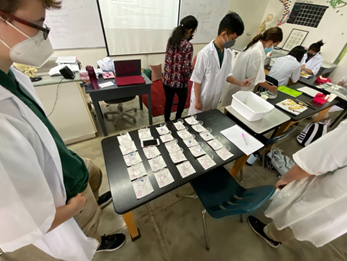
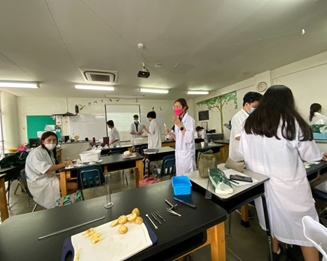



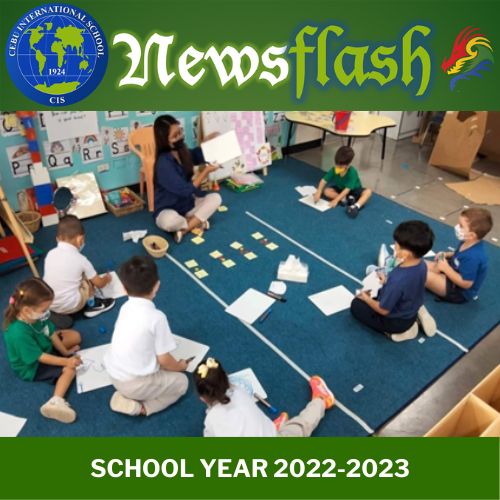

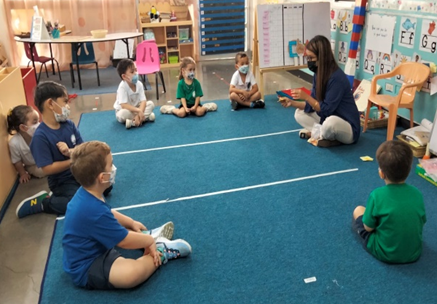
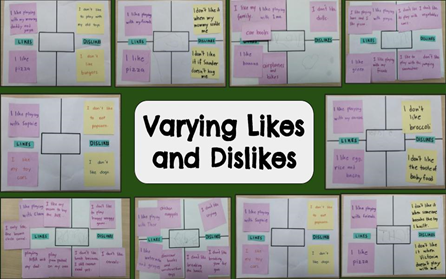
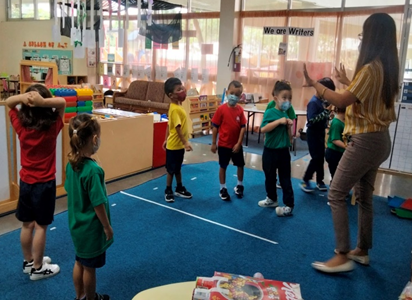
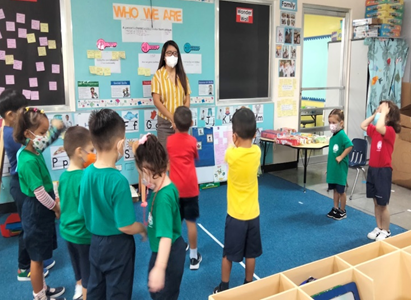
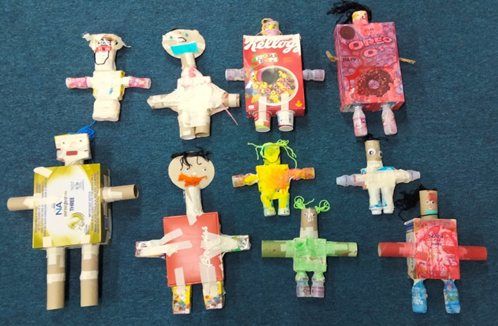
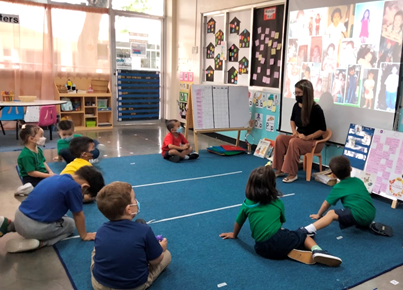 The Early Years wrapped up their unit on Who We Are this week as they continued demonstrating and sharing their understanding of how we are unique or different from others. Identifying and understanding similarities and differences in the community allows our young learners to recognize their characteristics and transfer their knowledge in different ways such as by comparing and contrasting their own and others’ physical characteristics, the materials or resources around them, their interests, and preferences.
 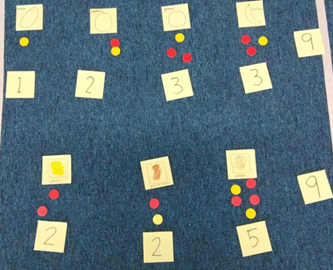 to share their interests and preferences confidently. The highlights of our conversation were the kinds of food they eat during recess time, particularly healthy snacks. It gave us the idea to show their preferences by choosing the fruit and sandwich spread they liked the most. Our young learners identified and understood each other’s preferences through this learning engagement. They continued the activity by using the yellow counters for girls and red for boys. In connection, identifying beginning sounds, counting manipulatives, and writing numbers were also integrated as they engaged in this meaningful and fun activity.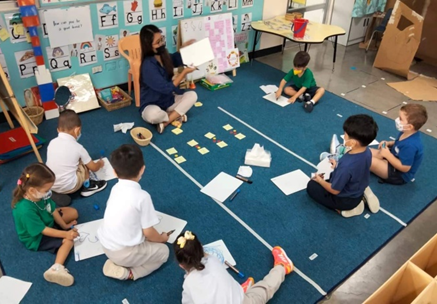
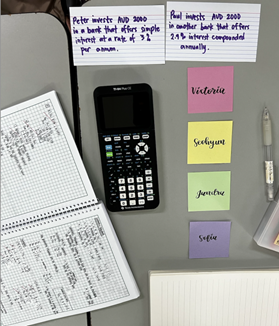
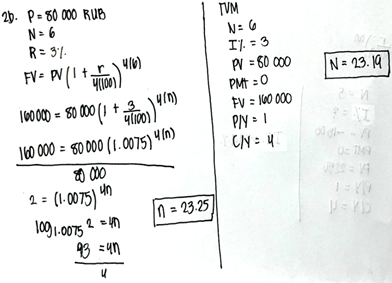
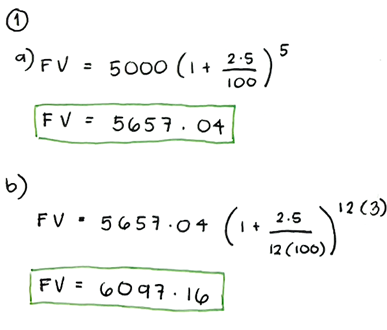
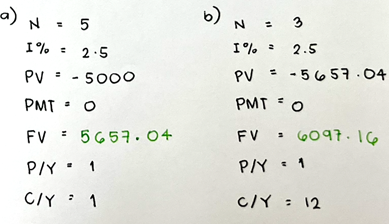
 Mathematics (Applications and Interpretation) Standard Level is a course that emphasizes the topic of Statistics, modelling relationships and use of technology.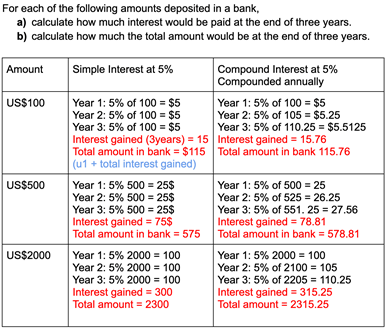
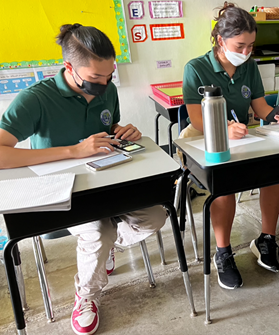
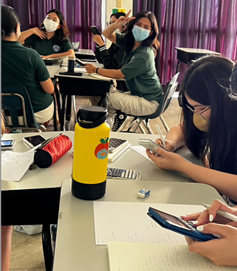
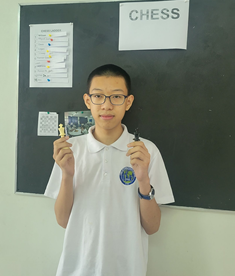 Our school’s brightest minds have been battling it out on the Chess Board each Tuesday during the 1st quarter.
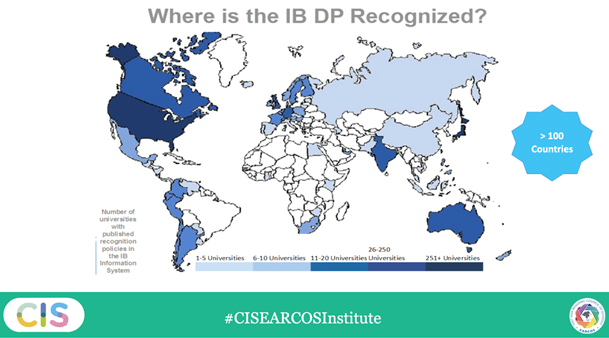





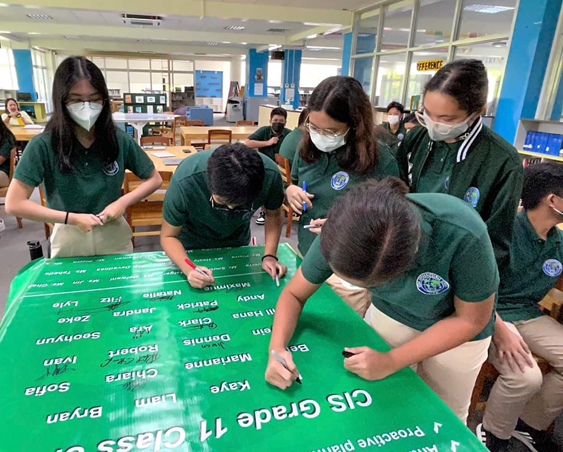 skills while reflecting upon how this approach supports Learner Profile attributes and the five respects that we are committed to as a school.

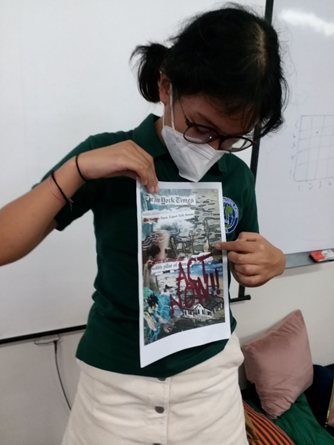
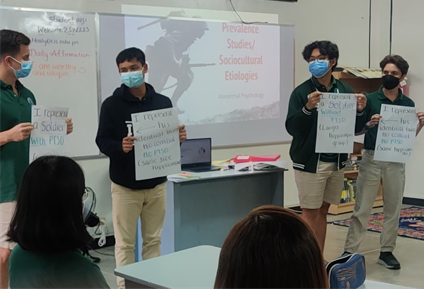 traumatic stress disorder (PTSD) under their abnormal psychology unit. PTSD is classified as an anxiety disorder, and the students of grade 12 psychology have engaged in academic journals to discuss its causes and treatment. Here students represent the different participants in Gilbertson et al. (2002), one of their key studies. The students photographed have the task of explaining the experimental method to their peers, as the design is complex, giving space to students to act out the study and its moving parts. The students who were not presenting asked questions about the design to test the ‘actors’ knowledge in this way all students engaged with and learned more about the study.
 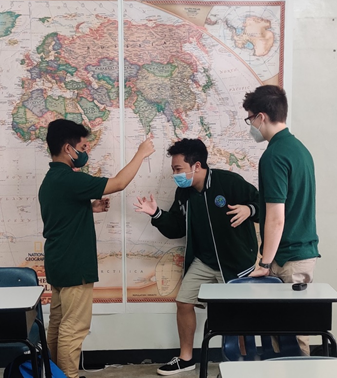 Grade 11 psychology students have recently been studying experimental research methods. Here students are testing their reflexes in an independent measures design to determine if the season they were born effects their hand-eye coordination. During this experiment the students had to measure the readiness of their reflexes by the distance in centimeter it took before catching the ruler. These practise experiments are important for developing student understanding of experimental research as they prepare for their psychology IA where they complete their own experiment.
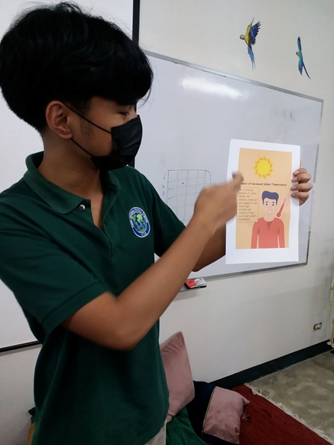
 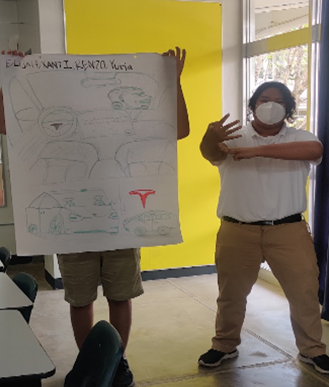 Grade 10 students studying individuals and societies have had a focus on marketing in their business unit. The students have the task of marketing Tesla’s new safety feature. Imagination was prevalent here. The grade 10 students present their ideas for new features. In the first photo students have created a feature where you must successfully complete a rap before the car will start. The ability to complete the rap is a test of attention and alertness. This is a safety feature which is marketed towards young car drivers as it appeals to their interests.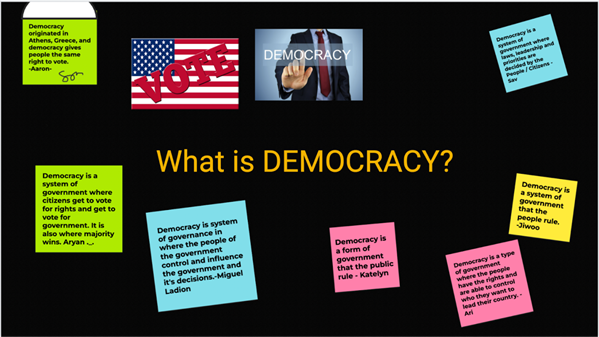
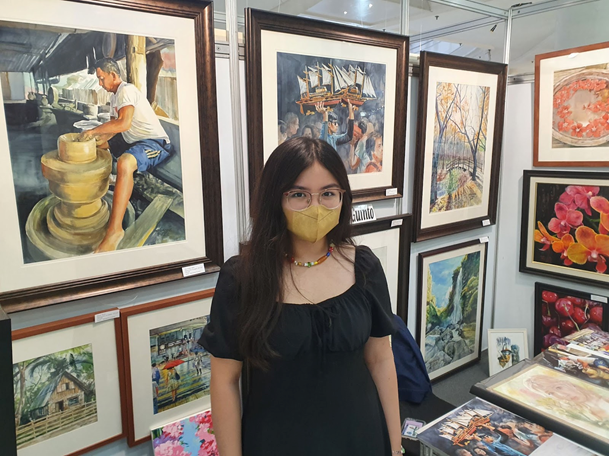 “I really enjoyed the experience because I was able to share my art with the public. Due to COVID I haven’t been able to do so and I missed that connection. I appreciated the support I received from the community at CIS and the way in which people admired and spoke about my work. I was proud of my exhibition and can see the way in which I have grown as an artist over the past couple of years. I’m looking forward to continuing to paint and I can see the influence of taking art at CIS as it has helped me think more deeply about my work and its meaning.”
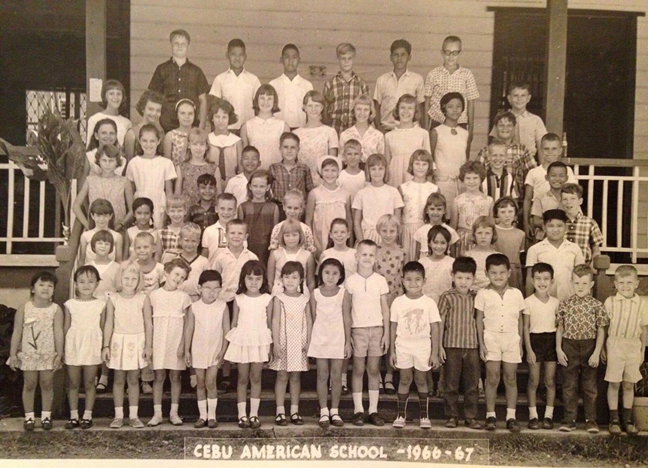

 The use of houses also introduces an element of healthy competition that encourages students to do their best for their team in a competitive environment, while also learning life skills such as sportsmanship and learning how to cope with winning and losing in a safe environment.





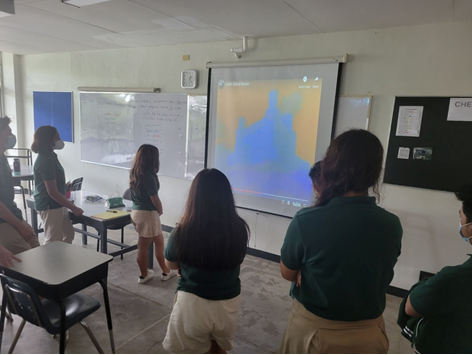
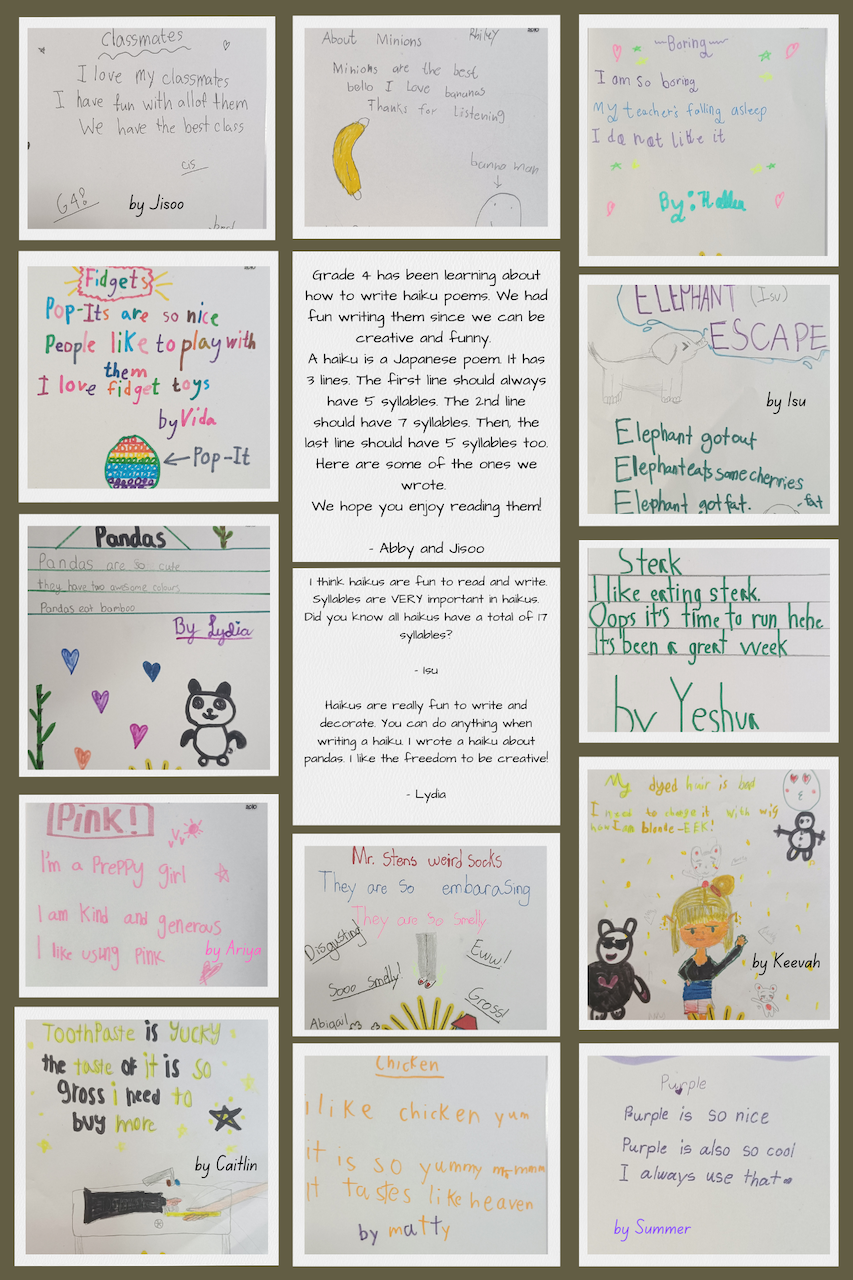
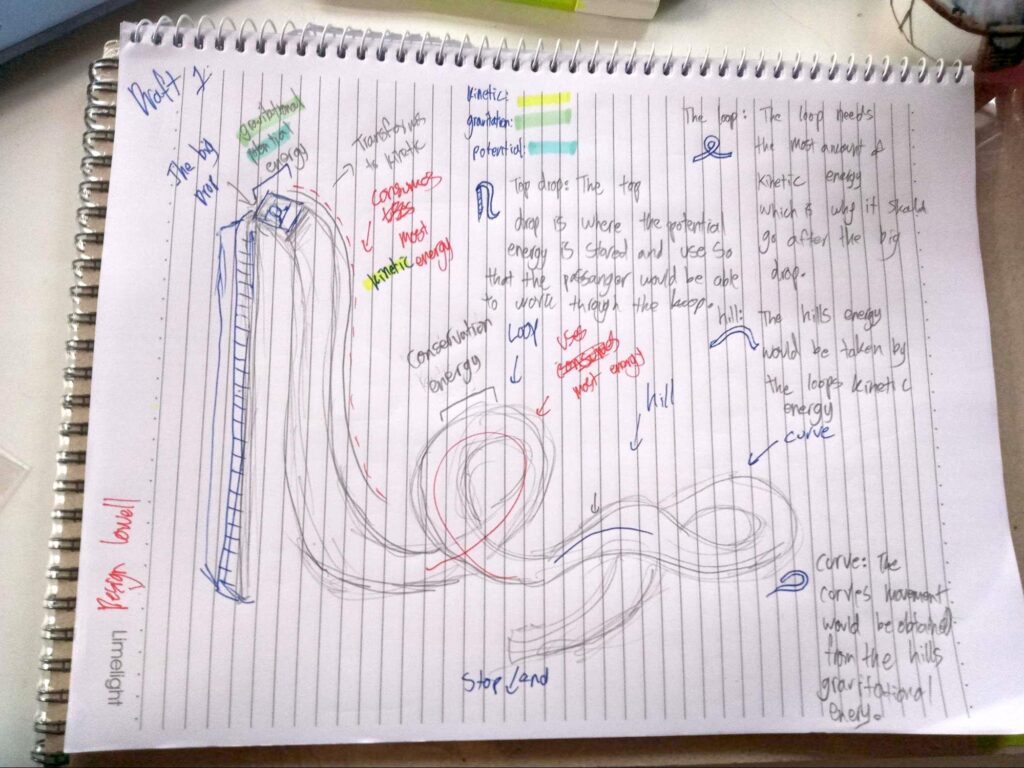
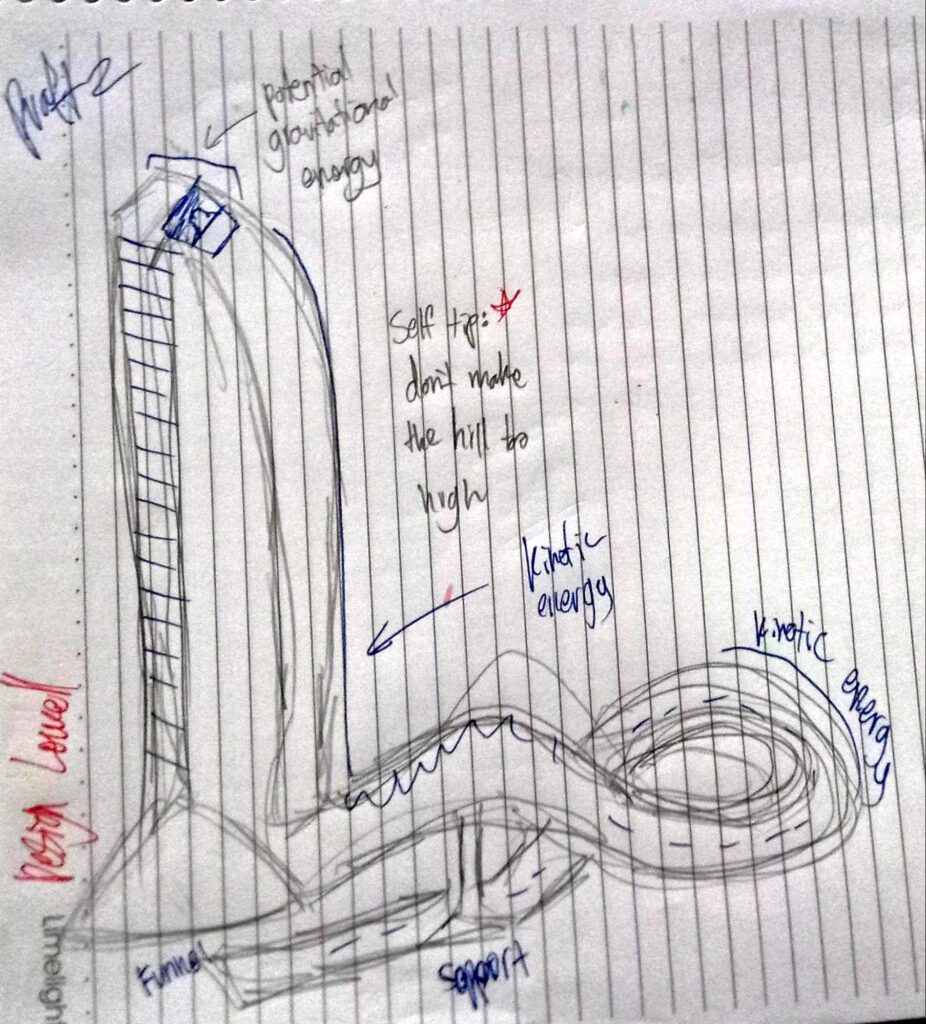
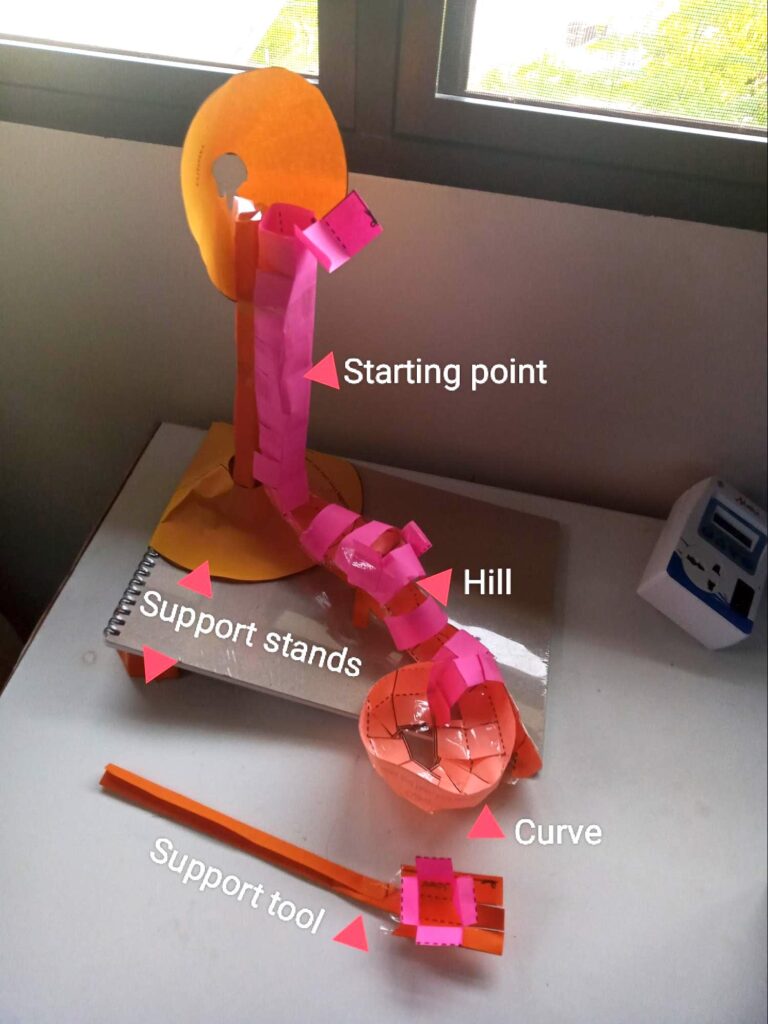
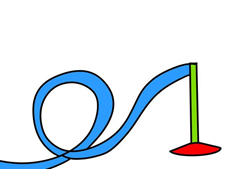
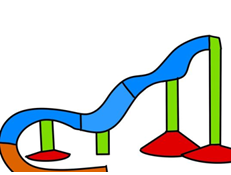
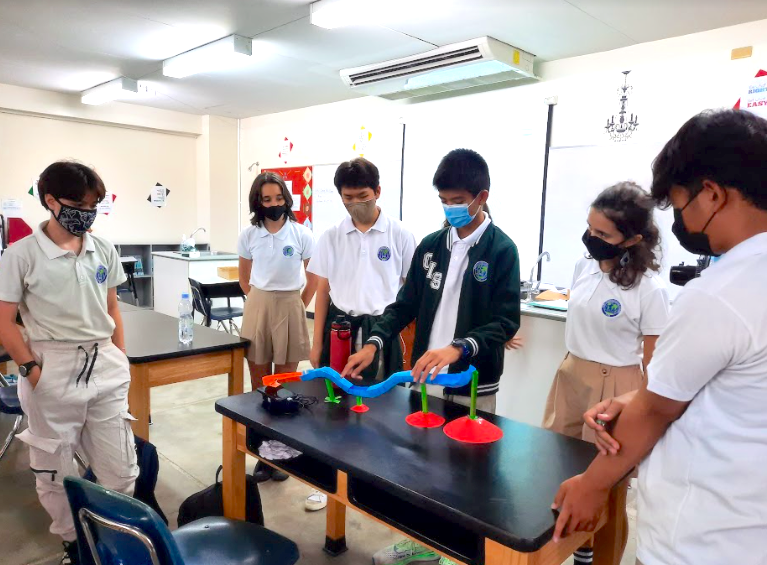
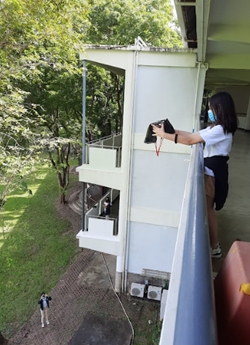
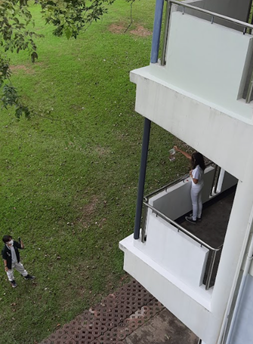
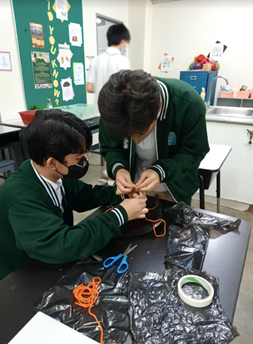
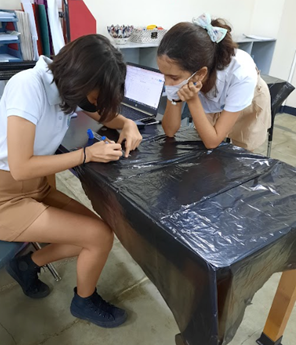


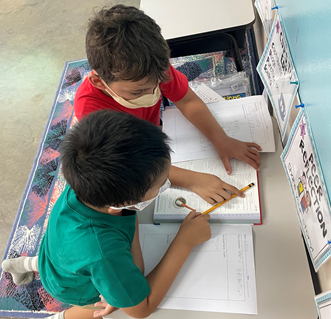

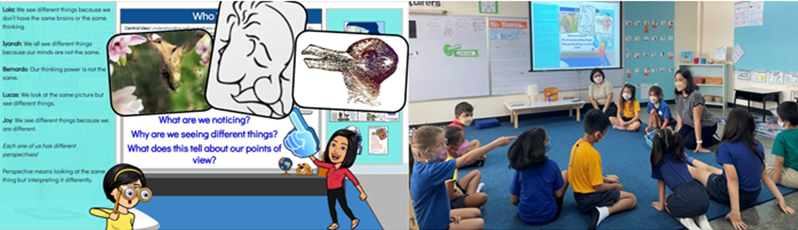

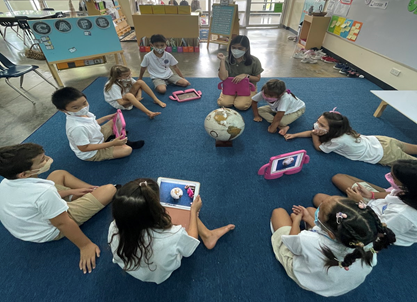

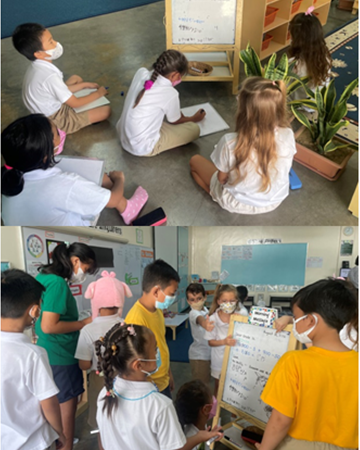
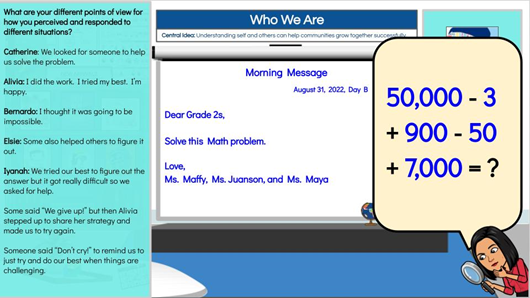

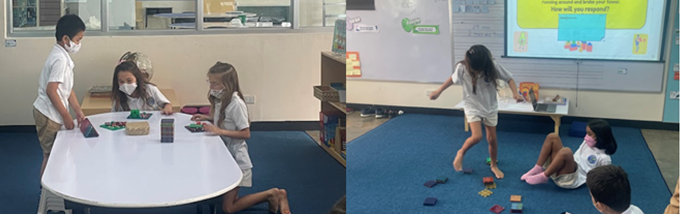
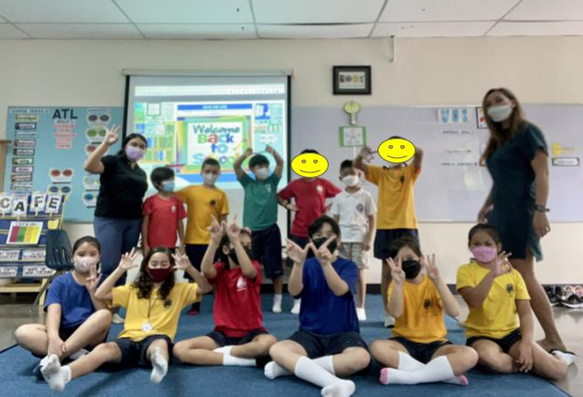
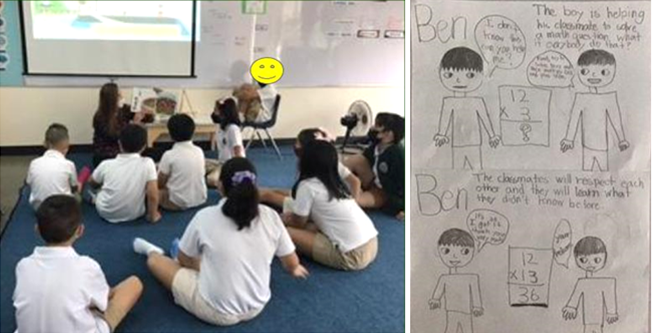
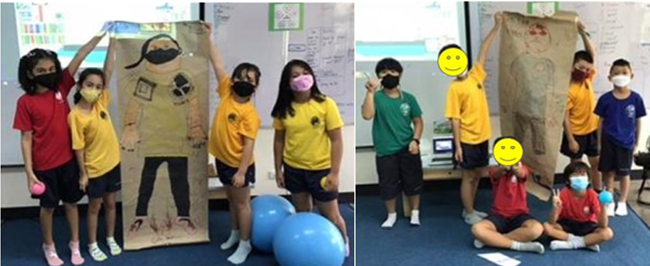
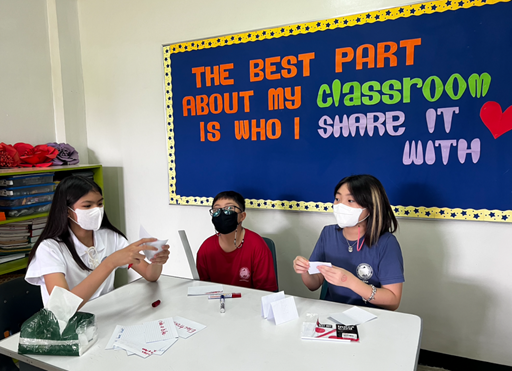 The first 8 days of Grade 6 Math focused on learning about themselves as mathematicians, creating learning norms/essential agreements and building relationships and classroom community.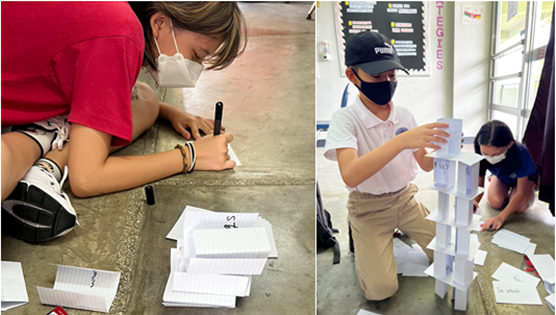
 Another highlight in their first 8 days of Grade 6 Math is the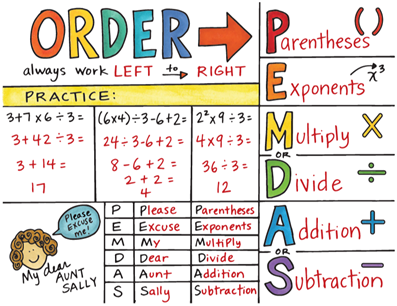







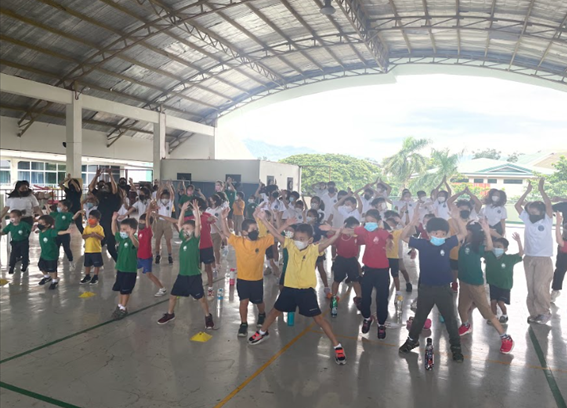
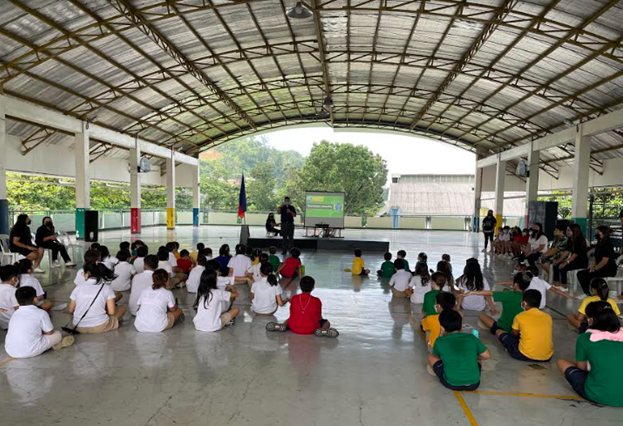 in the elementary school had never been to a face-to-face assembly before or couldn’t remember attending one given the disruptions brought about due to the pandemic. The experience was certainly one to remember. In addition to the introduction of our ES Student Council members, there were various other presentations and the most memorable series of dances put on by our teachers. The atmosphere was fun-filled and served to highlight our unity and commitment to each other.
 The opportunity to assemble in one place at the same time to engage in a common experience is powerful. We hope that assemblies, along with other activities such as House Activities Day, our Production, and Alumni Chats serve to cultivate school spirit, instill a sense of belonging and motivate students to make the most of the opportunities CIS has to offer. It also provides us an avenue to showcase Filipino culture and be proud of the many positives of the country and its people.
 School assemblies, whether in person or online, provide students with the opportunity to develop confidence and share their ideas with others. While some students may do this more naturally than others, with the right inspiration, students who are not normally confident in front of others can be inspired to be risk-takers and present their ideas or performance in a respectful environment. Our preference for students to develop and run these events, even in the elementary school, is in keeping with our commitment to nurturing confidence and capacity in our students.
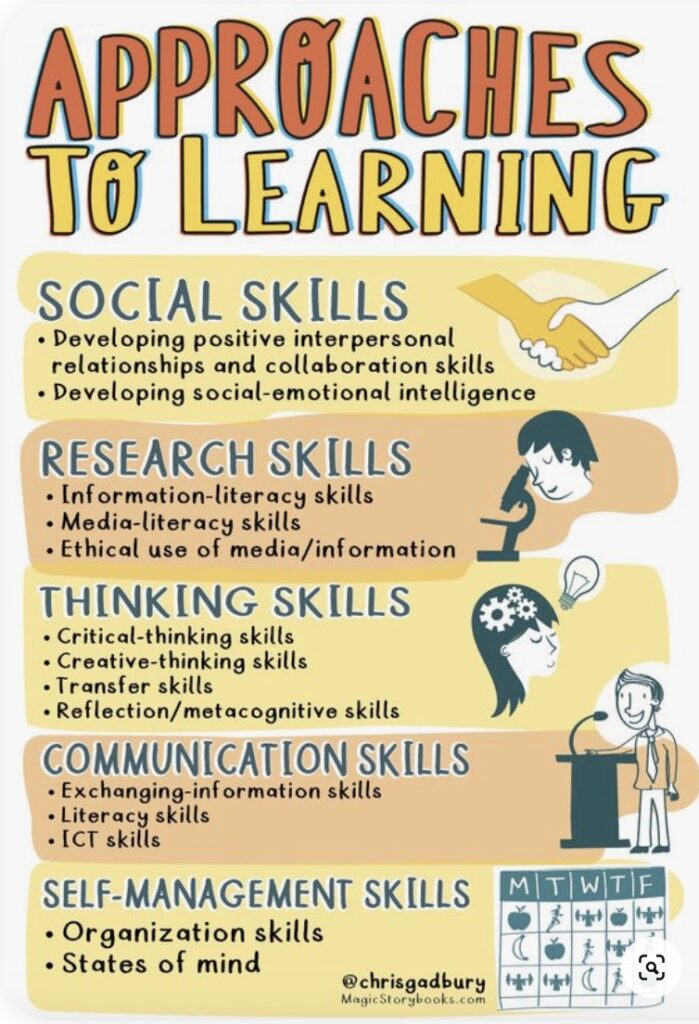
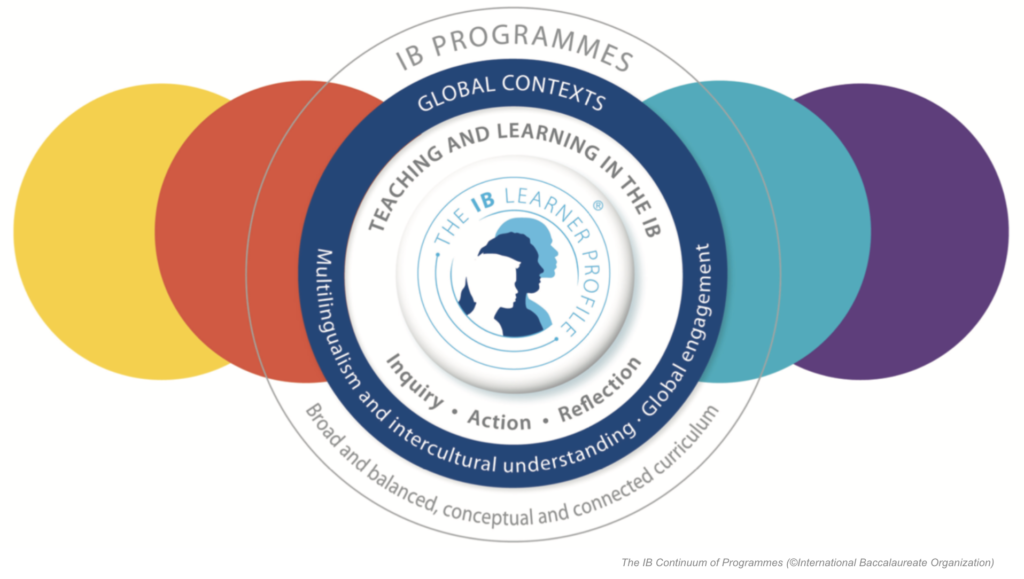
 Assemblies provide us with an opportunity to share life lessons with our students. Aligning these experiences with the school’s core beliefs and values is especially important and a great way to develop respect for self and others while valuing diversity in all forms. As an IB World School, we also showcase the Learner Profile Attributes and Approaches to Learning which are inherent in our core beliefs.
 There is more to school than what goes on in one classroom. It is important that we provide our students with a well-rounded school experience and opportunities to develop and share experiences and understandings. As a school, we promote a diverse range of after-school offerings and believe in the benefit of students engaging with older and younger students. We want our students to participate in fun activities with their peers and in doing so develop their leadership and participate in activities they may not have learned about otherwise. The return of face-to-face experiences such as the Alumni Chats and university/ college visits provides our older students with a window into the wider world and a diverse variety of opportunities that await them.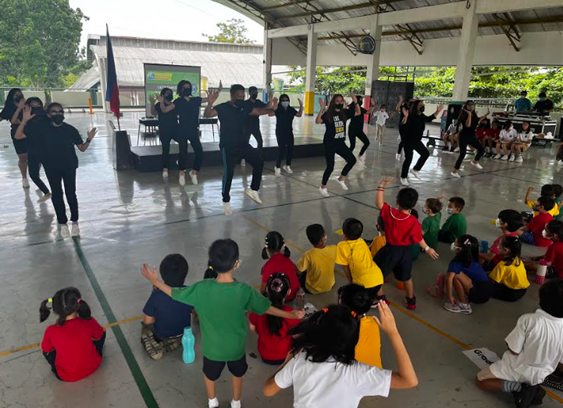
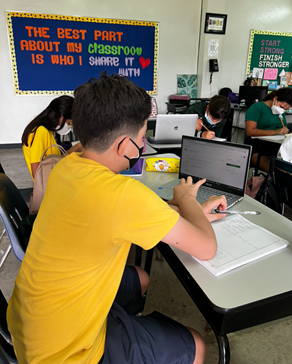
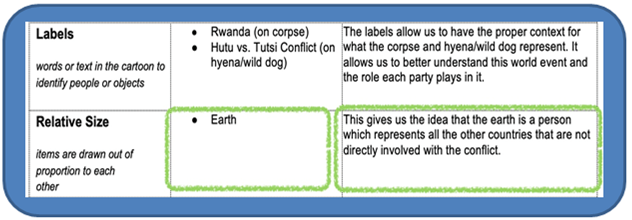
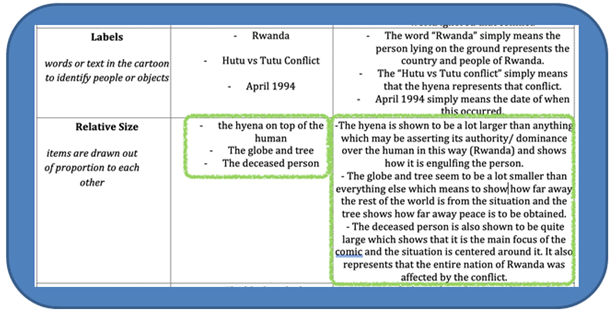
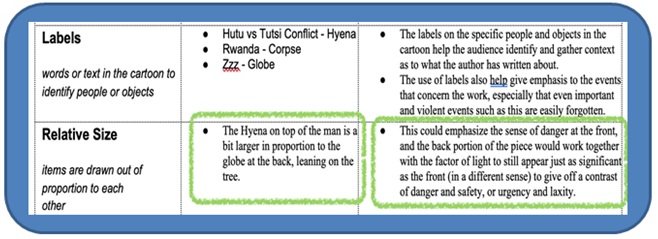
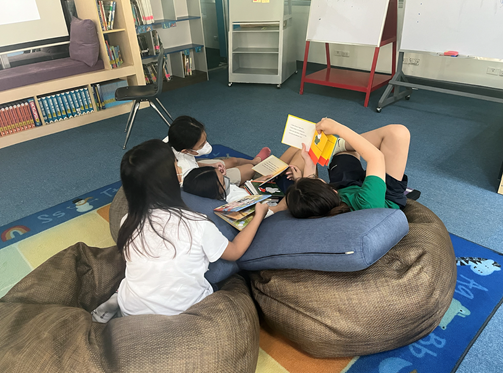 As we kicked off our first unit in Media Literacy,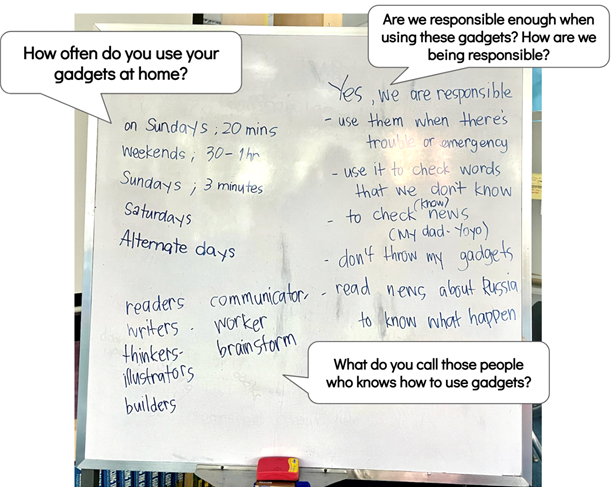
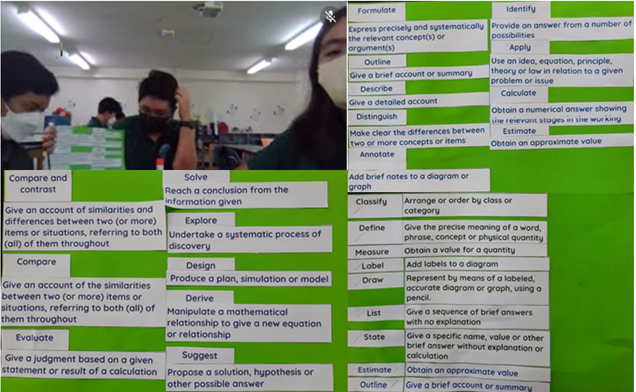 the students started the process of being familiar with the command terms through the collaborative matching type activity.

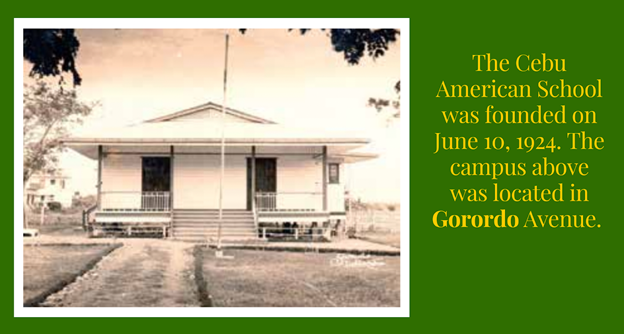
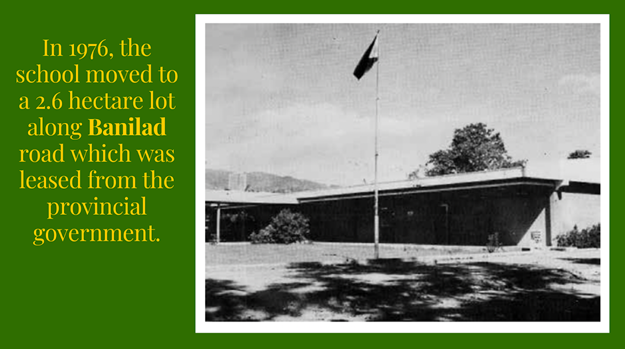


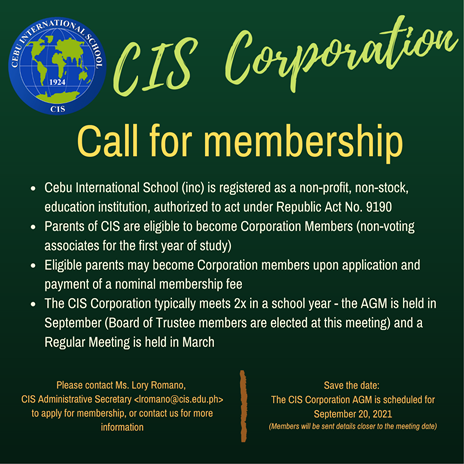
 I was asked by a young student with a group of friends the other day, “Are you the owner of CIS?” I gave them my short answer – no, your parents do! That caused a few confused looks, and as I think there are probably more who are not sure how this works, here is the longer explanation!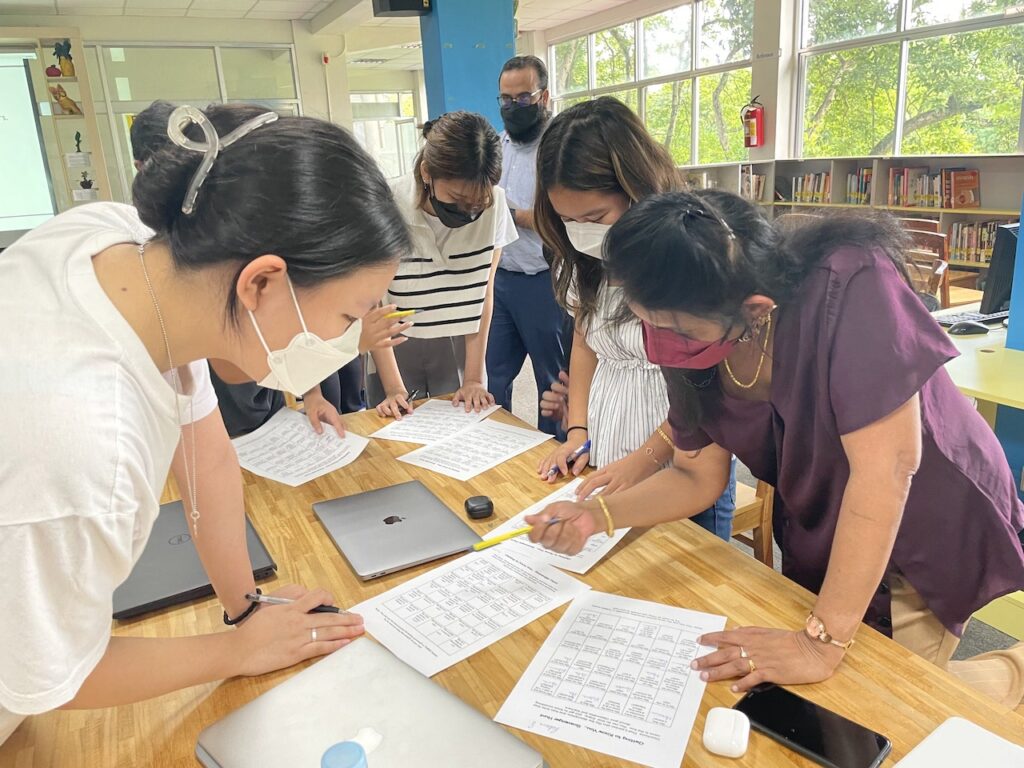
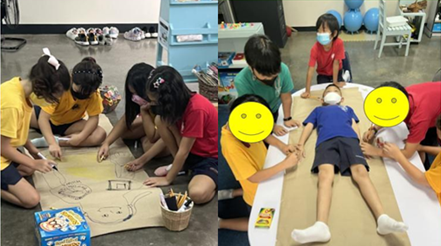
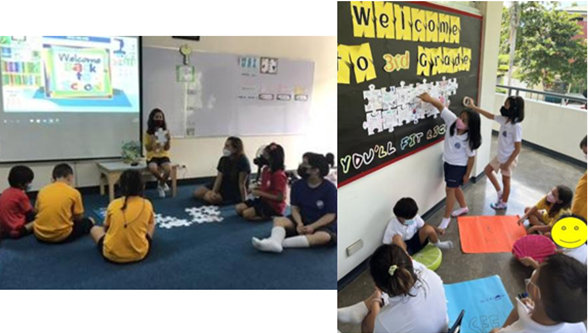
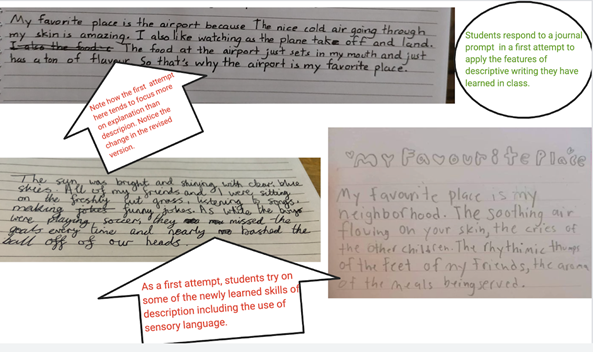
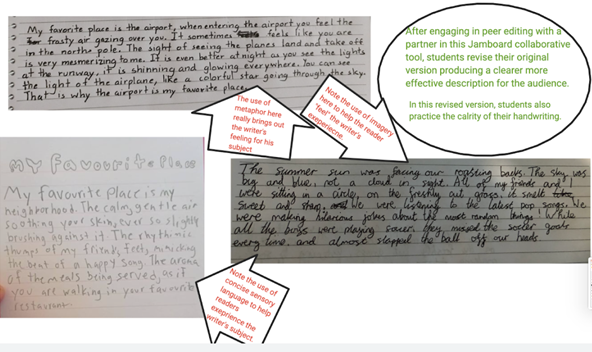





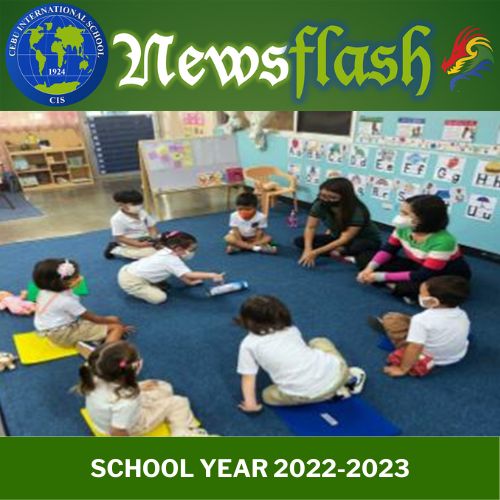
 Social processes are inherent within schooling and as a small community it is crucial that we make time to intentionally connect with others. During Faculty Orientation
 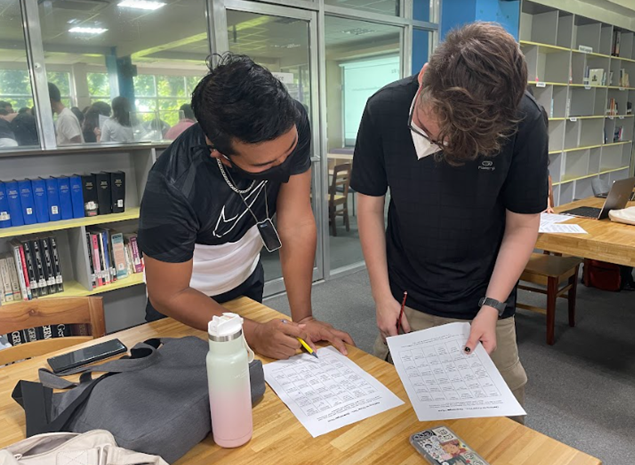 our teachers have had an opportunity to engage in professional and fun activities that have helped to establish and develop personal and professional relationships. An emphasis on this approach has been carried over into the way in which they work with students and our first week has focused on students connecting with their peers in order to develop healthy relationships and appropriate support structures. We trust that this will support engaged learning and well-being as we move through the year.
 As progressive educators we are committed to working together at all levels of the school. Collaboration builds collegiality, it encourages the sharing of expertise and promotes ownership. We believe in the importance of teaching our students how to work together so that they may embrace each other’s strengths, demonstrate agency, and build capacity. Working together should be fun and engaging, something that we prize at the beginning of a new school year. Working together also incorporates working together with our parent community.
 Classroom and school routines in general serve to increase student familiarity, confidence and comfort levels as learners know and understand what is expected of them in different situations. Set routines are also helpful in regulating children and teens as they become more independent. They are also particularly important during times of uncertainty. Should we need to move to and from Remote Learning you will note the attention given to consistency and routine. We have also been working with our older students who are preparing for their final years of study in order to help them benefit from a weekly routine that balances their study commitments with the necessary downtime and self-care required to be well and be successful.
 …and focusing on things you can control
 We’ve been through a lot over the past eighteen months and the need to remain flexible has become inherent in everything we do. As a school we have very much appreciated the flexibility and support of our whole community over the past week and appreciate the positivity that this brings.
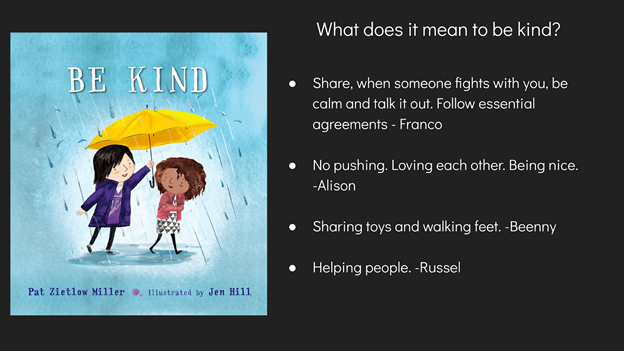
 Kindness matters! Acts of kindness may make others happy but they also serve to make us feel good. Acts of kindness can boost feelings of confidence, happiness and optimism. I’m proud that we are a kind community. Kindness also extends to being kind to ourselves and I think that this is something that we don’t always place enough attention on. The reality is that self-kindness is an essential component of good mental health.
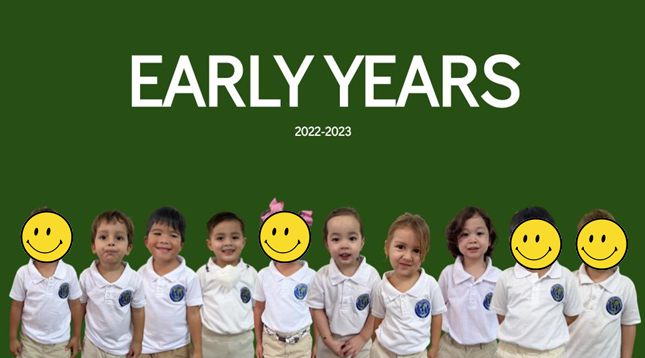
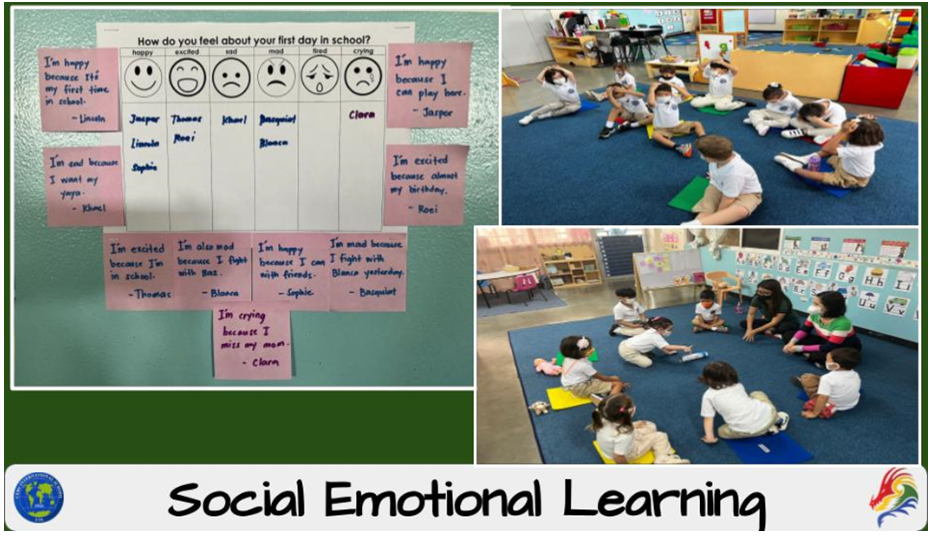 As early as three years old, we encourage the Early Years to express themselves and share their emotions, ideas, opinions, and experiences as part of our Social Emotional Learning. On our first day in school, we asked the students to share how they felt about their first day. We gathered a variety of responses and established open communication between students and teachers.
 Classroom routines and the learning environment are also essential to support students’ learning process. The EYs went on a campus tour in different areas of the school including our media center, field, playground, single-subject classrooms, and so on. This allowed our students to be familiar with the CIS community and easily make connections.
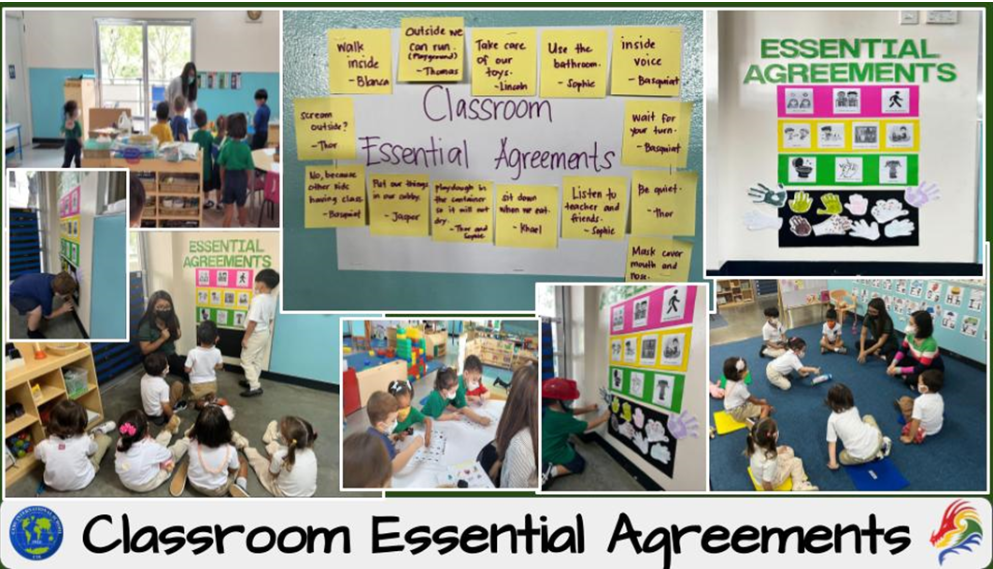
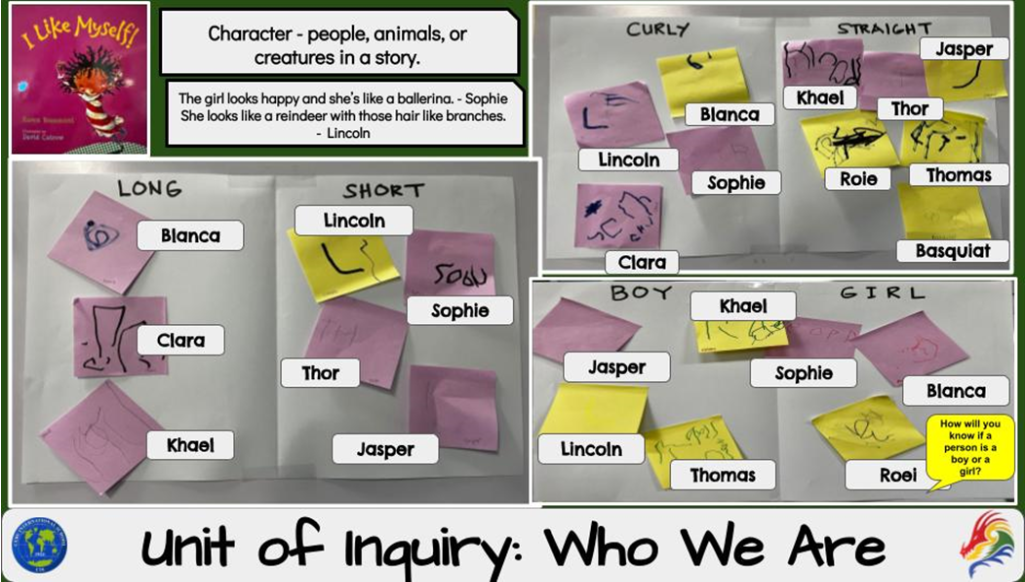 The Early Years shared their ideas and co-constructed our classroom essential agreements and agreed to follow these agreements and routines by creating their hand prints through painting or drawing and posting them in the classroom. We read the story, “I like myself” written by Karen Beaumont and the students noticed and described the similarities and differences in their physical appearance. As we continue to explore and start our first unit on Who We Are, students will learn about their unique characteristics and respect each other’s similarities and differences.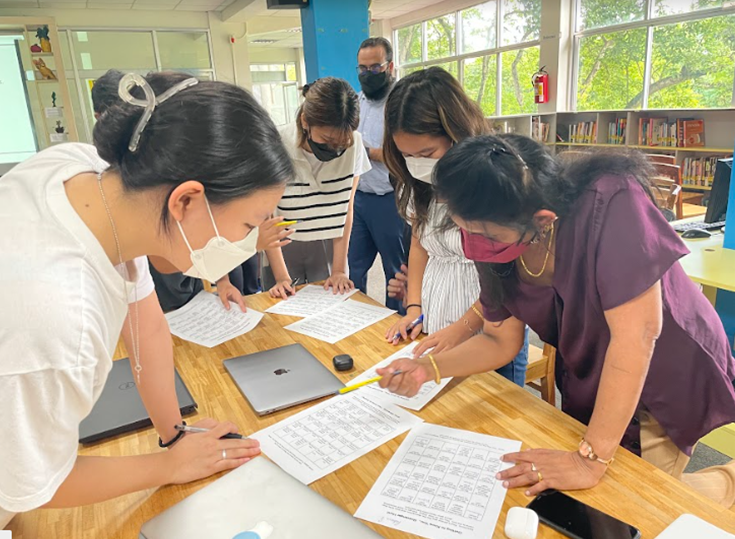

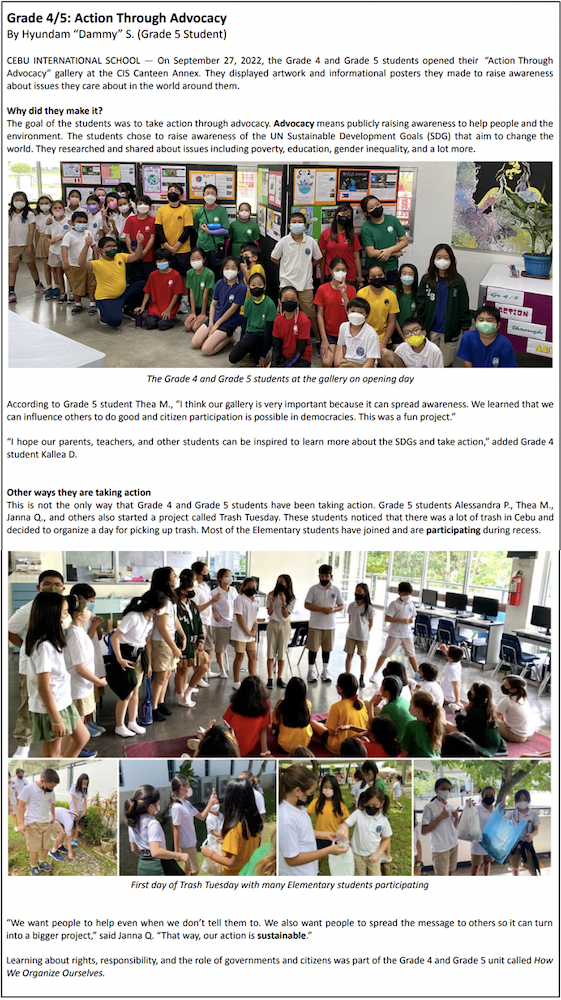
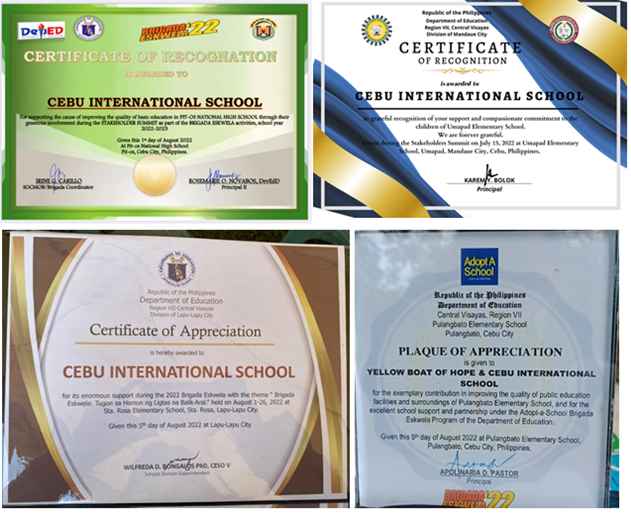 As part of CIS conitinued efforts to collaborate and to share our learning experiences to various communities in the island of Cebu, schools from the Deparment of Education recognized CIS’s efforts through their annual stakeholder summit and Brigada Skwela Adopt a School Programs. This recognition also signifies CIS’s commitment in achieving one of its core beliefs that learning includes contributing to the world through service learning. CIS will value this commitment and collaboration with the DepEd Schools and will continue to strive to become a positive change not only in our own community of learners but also to other communities with whom we shared the same responsibility of achieving the UN Sustainable Development goals.