
Principal’s Corner
by Mr. Andrew Powell, EY-Grade 12 Principal
It has been an incredibly busy first semester and much has been accomplished during that time. I have been extremely proud of the way in which our students have sustained their drive and commitment to their studies and extra-curricular activities over the past few months. The energy and engagement in classes and during our virtual assemblies is commendable. Our students have one more busy week to work through until their well-deserved holiday break. I wish our students, particularly in Middle and High, the very best as they work on their final assessments for the semester.
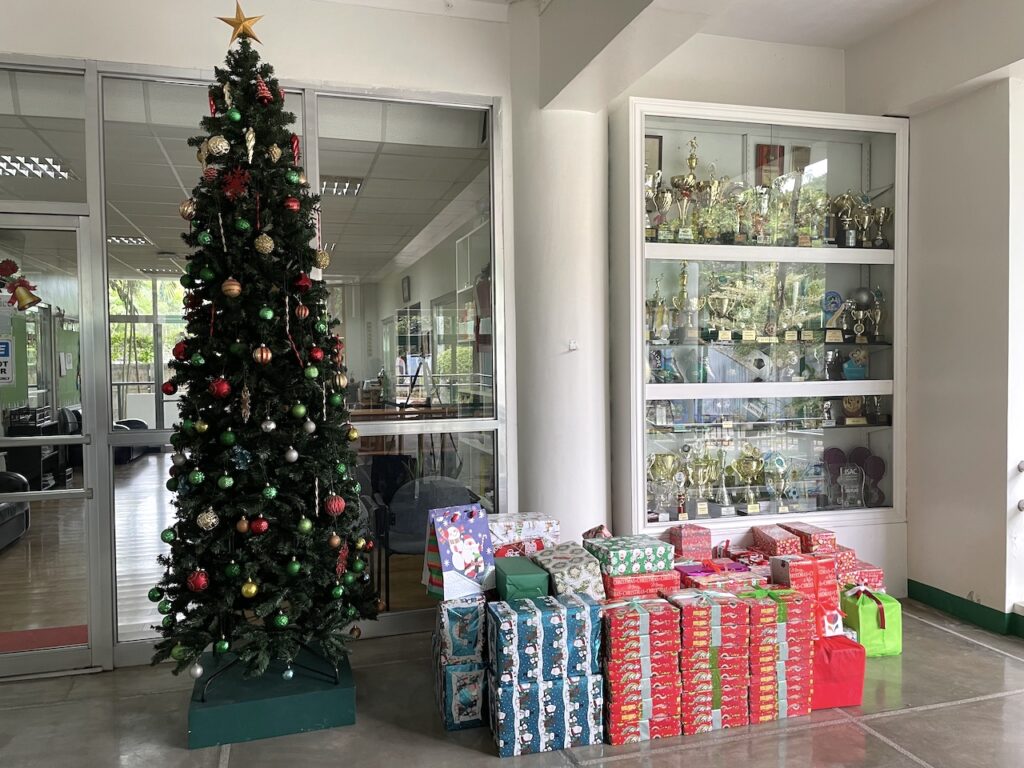
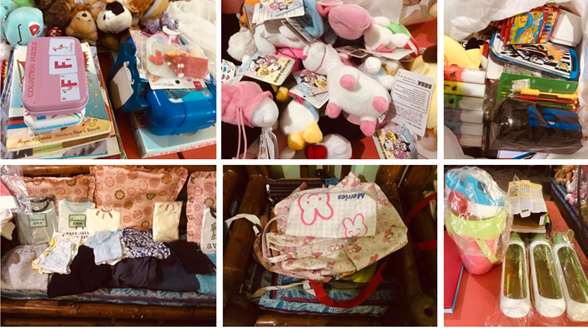
December is typically a time of giving and our students have been engaged in an array of school and personal projects to support communities in need. This year’s Tree of Giving is one such example and the Student Council are thrilled that our community has been able to reach their proposed target. This will light up the lives of many.
While acts such as these make a positive difference to the lives of others it is important that we also consider the importance of giving to our students. We are a school that very much values service as an important way to engage in principled action. Research is often quoted that shows that the simple act of giving can be as rewarding as receiving. I certainly see this in the acts of kindness and respect that take place in our virtual classroom environments. In the context of the vulnerable communities that we support however, some have such critical needs that we need to consider the long-term implications of the dispositions we are fostering in our students rather than a short-term “feel good” reward.
At CIS, our intentional commitment to service learning is such that over time our students are developing a greater awareness and a better understanding of communities’ contexts and our students’ responsibilities. We trust that our students will be the leaders of tomorrow, whether that be here in the Philippines or in various locations around the world. Providing them with a sense of duty, empowerment, and ability to influence and advocate others for the betterment of society and the environment is incredibly important.
A number of our staff are truly world leaders in the development and provision of sustained service-learning activities. I look forward to our ongoing commitment to fostering these opportunities.
Early Years 2/3
by Ms. Mary Jean Cordova, Early Years Teacher
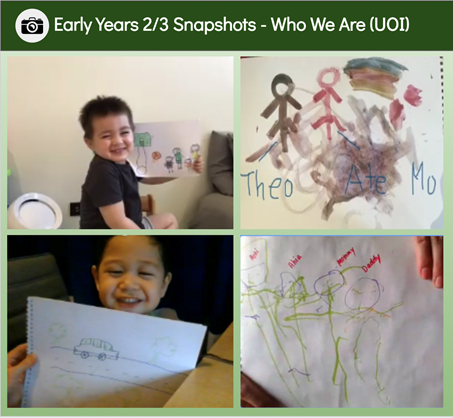 In the Early Years, we explored how people connected to us like our family and friends shaped our community. We looked into the things we like and our roles. Being in different roles, we realized that we also have different responsibilities to our family and friends. We have concluded that our number one responsibility to make everyone happy is to be a good boy by listening to our parents and siblings. As we are nearing the end of our unit Who We Are, we begin to reflect on how these things shaped who we are as a community and look into ways to show respect to each other’s differences.
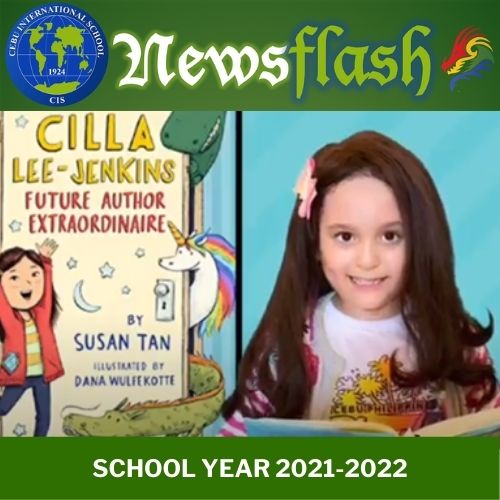
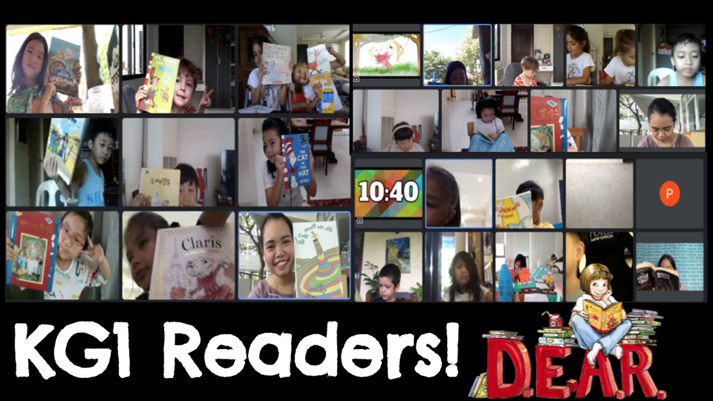
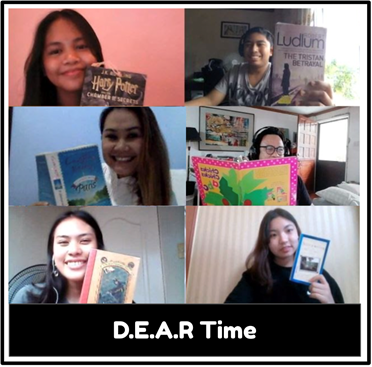
In our homeroom class, we started our “Book of the Day,” where we can share our books with our teachers and friends. Our young learners initiated this activity in class as they love to share our books at home. Every day, we will share at least one book, do picture reading or ask our parents/tutors to read the chosen book in class.

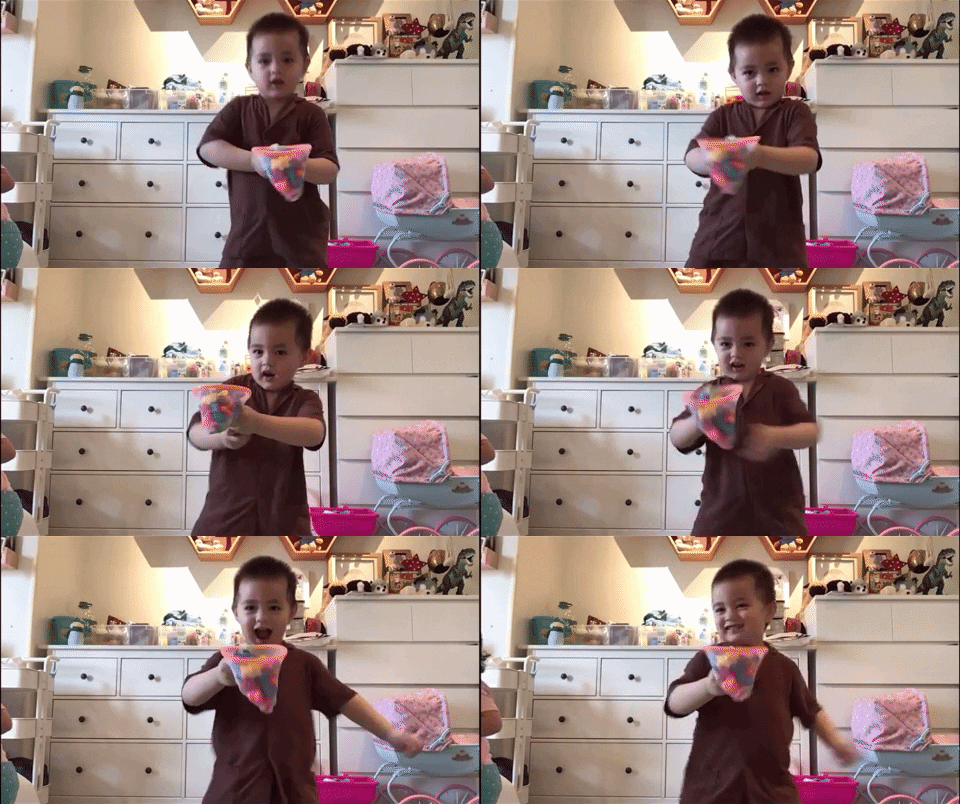
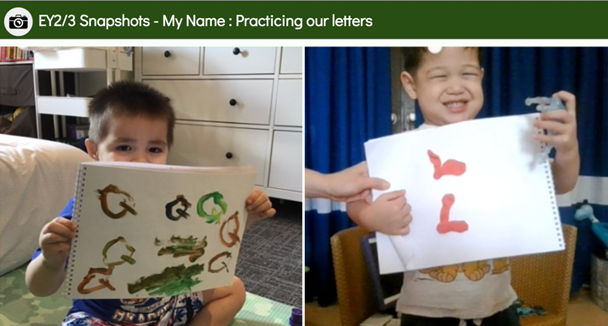
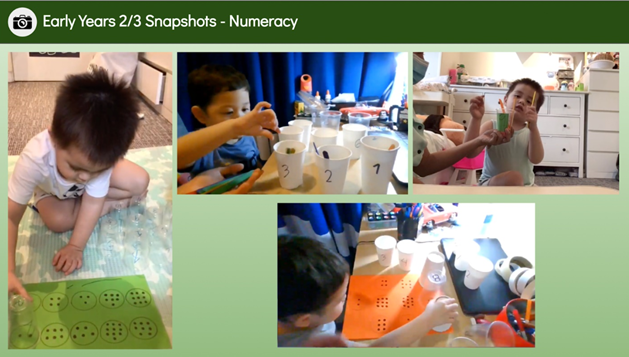 For our math, we practiced our numbers by recognizing the numerical symbol and matching the quantity it represents in our activities. We had our young learners write the numbers 1-10 on each cup, then place the number of popsicles sticks in each cup. We also had another activity where we matched the numbers on the cups. We counted the number of dots in each circle drawn on paper and then matched them to the numerical symbol written underneath the cups. Our young learners can count and recognize numbers from 1-10.
Grade 6: Mathematics
by Ms. Maria Victoria Bacus, Grade 6 Mathematics Teacher
Honoring the Grade 6 Students’ Hard work with a Celebration!
Middle School mathematics focused on the world of statistics this quarter.
The Grade 6 students classified and represented information that is gathered from a variety of sources as they explore the global context of Identities and Relationships.
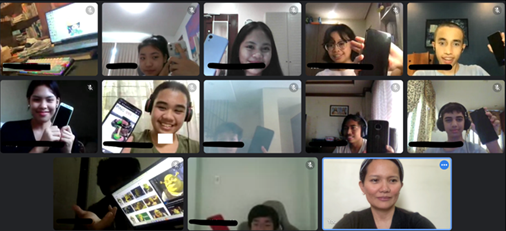
They were introduced to the subject-specific terminologies; and here are some of the brainstorming sessions we had on Mentimeter and Padlet.
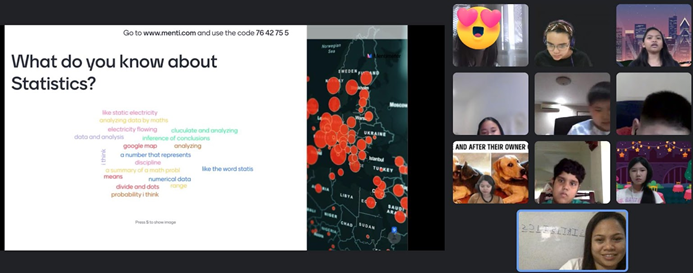
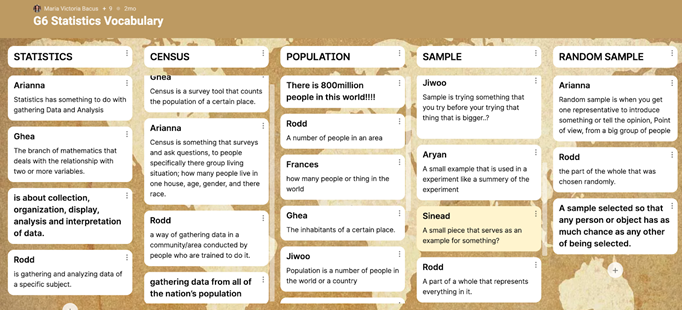
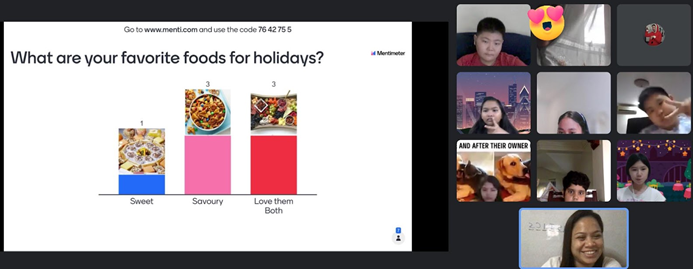
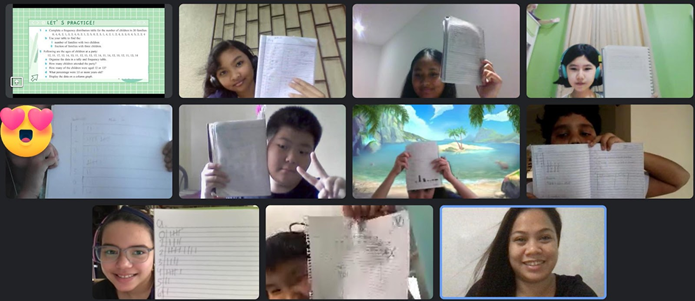
We continued to read, interpret and draw conclusions from primary and secondary sources of data and applied mathematical strategies to solve problems involving statistics.
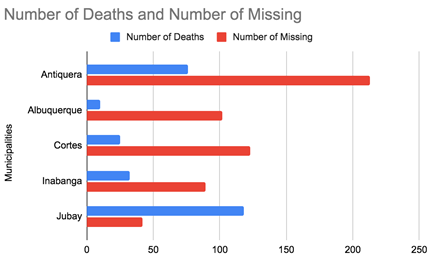
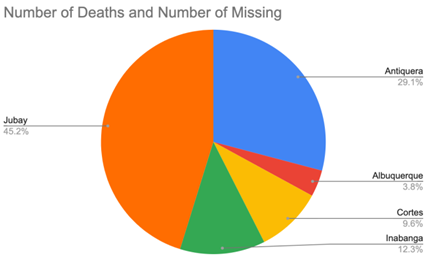
As students continue to understand different types of data and the most effective ways to represent them; these help students to uncover trends and concerns in local, national or even global communities.
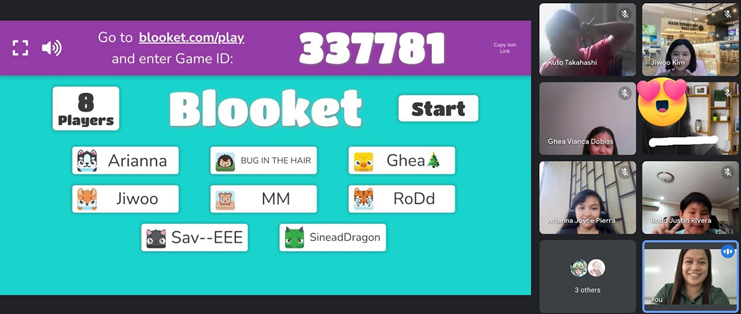
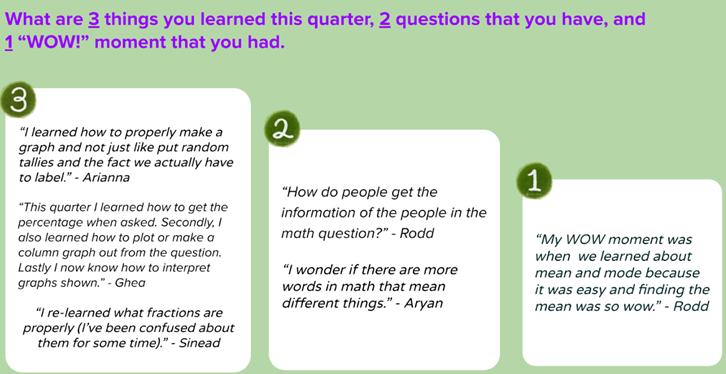
We reviewed our learning from this unit with some revision games on Blooket as well as learning reflections and ‘wow’ moments on Google slides.
Guidance Counselor’s Corner
by Ms. Vangie Villagonzalo, Guidance Counselor
SEL Tip for the Week
Practicing gratitude. Appreciating things, events, and people.
With the end of the first semester swiftly approaching and the pressure of preparing for the assessments mounting, it is important that we embrace traits that focus not only on building characters; Learner Profile (LP) traits of being balanced, open-minded, and the like are vital, but traits about making a life are equally essential. With this in mind, we would like to share thoughts on being grateful ~ the power of gratitude. The word gratitude comes from the Latin word gratia, which means grace, graciousness, or gratefulness. Gratitude is the quality of being thankful and showing appreciation and kindness. Many studies show that having gratitude leads to greater happiness. From boosting your moods and lowering your stress, the power of gratitude is real. Gratitude helps people feel more positive emotions, persevere through challenges, and build stronger relationships.
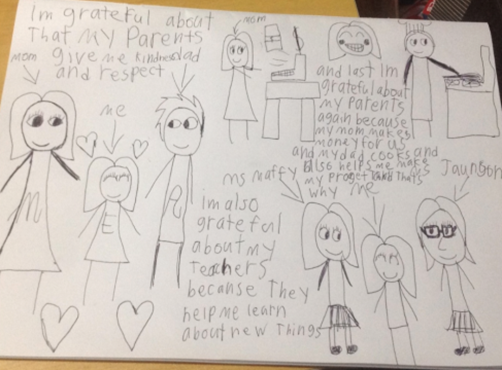
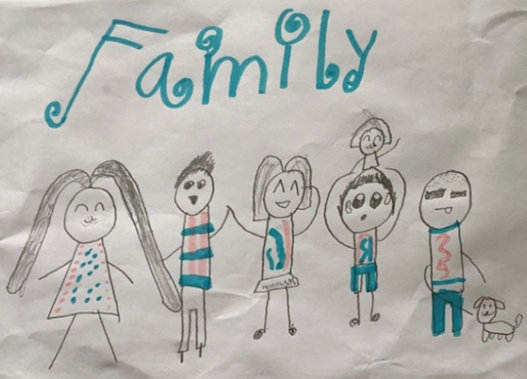
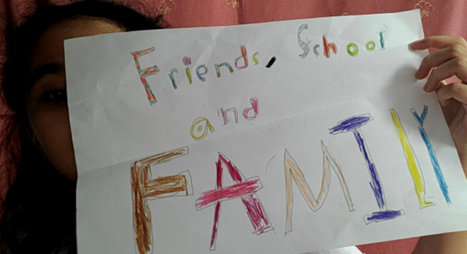
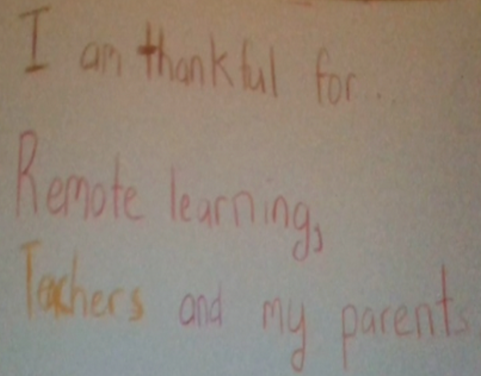
As the holidays are approaching and the year 2021 is about to end, this is the best time for us to look back and reflect on the things we are thankful for. Together with Ms. Claudette, we gathered some thoughts from our elementary students on what they are grateful for.
Russel, K/G1
Aryana, G2
Ezra, K/G1
Zeke, K/G1
Bella, G5
Logan, G5
Anna, G5
The Dragon’s Report Card Podcast

College/Careers Counselor’s Corner
by Ms. Jenny Basa, College/Careers Counselor
Tip for the Week:
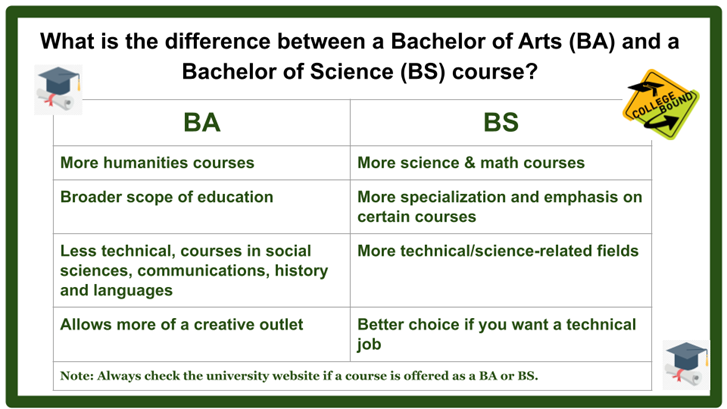
A lot of students ask the difference between a BA and a BS. Some universities have IBDP subject specific requirements for BA and BS courses. Check out the basic differences between the two courses of study.
DATE
December 9
Thursday
8:00 PM (PHT)
Link to register
EVENT
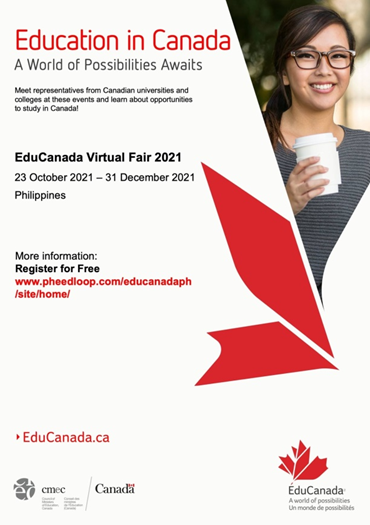
NYU Shanghai: Talk to current students and learn about NYU Shanghai from a more relatable perspective.

December 10
Thursday
8:00 PM (PHT)
Link to register
University of Westminster Debate Series: How can social enterprise, business and civil society embrace Sustainable Development Goals (SDGs) post COP26*?
Discussion Agenda: We will explore what the United Nation Sustainable Development Goals (SDGs) mean for social enterprise, business and civil society. Our panel will discuss case studies within an applied, real-world context of where these goals have been integrated into the strategies of businesses of different sizes. Our panellists will also reflect on how the Glasgow Climate Summit, COP26, will impact on businesses and help shape the net zero transition.
*The 2021 United Nations Climate Change Conference, more commonly referred to as COP26
December 14
Tuesday
6:00 PM (CST)
Link to register
The University of Chicago:Join a UChicago Admissions Counselor for a live virtual information session covering the college admissions process, essay writing, recommendations, scholarships and financial aid, academic programs, extracurricular activities, and campus life.

December 15
Wednesday
6:00 PM PHT

IÉSEG School of Management: Did you know that you can study in English in France? Want to learn more about IÉSEG’s
Bachelor in International Business?

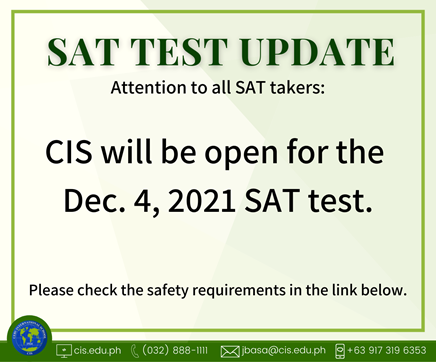
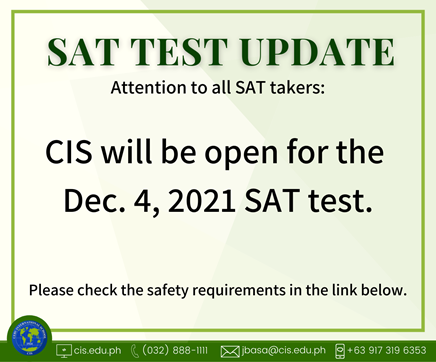
SAT Update
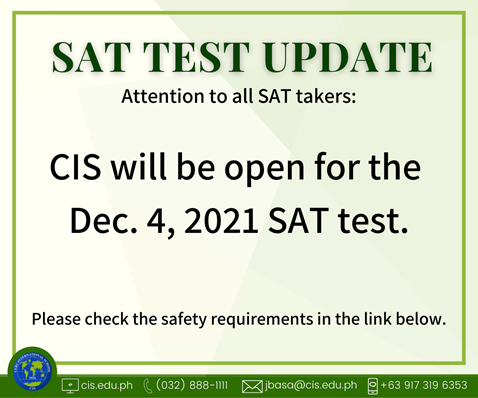
Please refer to this link for the safety requirements.
| 2021-2022 TEST DATES* | Registration Deadline |
| August 28, 2021 | CANCELLED |
| October 2, 2021 | CANCELLED |
| December 4, 2021 | November 4, 2021 |
| March 12, 2022 | February 11, 2022 |
| May 7, 2022 | May 5, 2022 |
| *The Optional SAT Essay and Subject Tests have been discontinued. | |
To register for the SAT, you may click on this link. If you need assistance or have any questions, please feel free to email Ms. Jenny Basa at jbasa@cis.edu.ph.
 As we near the end of our first semester, our teachers have started planning for end-of-semester reports to share with you how they are progressing with their learning objectives. As our students will be completing a variety of summative assessments to help with this in the coming weeks, it is a good time to review what skills they might use to help them prepare.
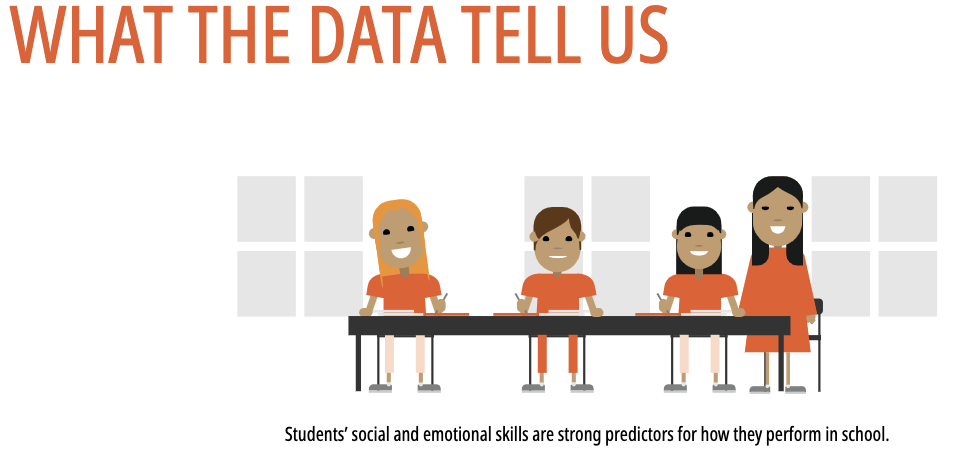 Secondly, I want to highlight some recent research by the Organization for Economic Cooperation and Development (OECD) that indicates Social Emotional Learning (SEL) skills also help with academic success! Andreas Schleicher, the director for education at OECD noted that some people see academic development and social-emotional development as opposing ends of the spectrum, and some may even think that if you focus too much on social-emotional skills, you might be taking time away from academic subjects. Actually, they are closely connected.
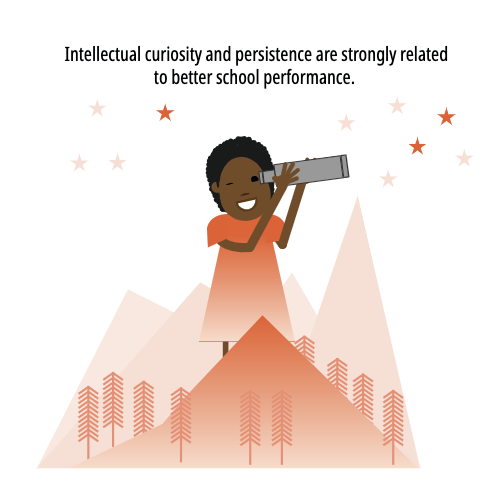 The results show that the development of social skills can boost students’ performance in core academic subjects. And more specifically, curiosity and persistence were found to be the strongest predictors of academic success in both math and reading, although other skills also played important roles.


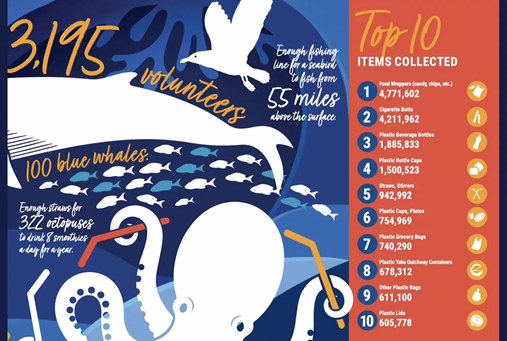 Delegates were also given the opportunity to join their designated workshops. This year, there were three workshops: Future Fresh, Renovate to Educate, and Pure Oceans.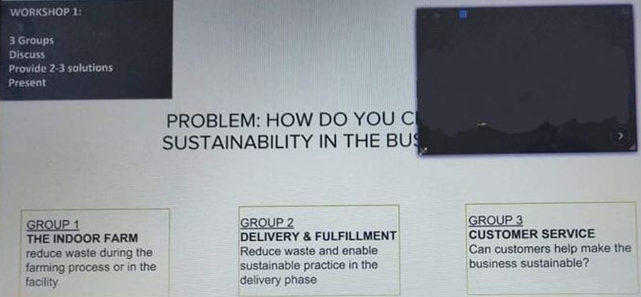
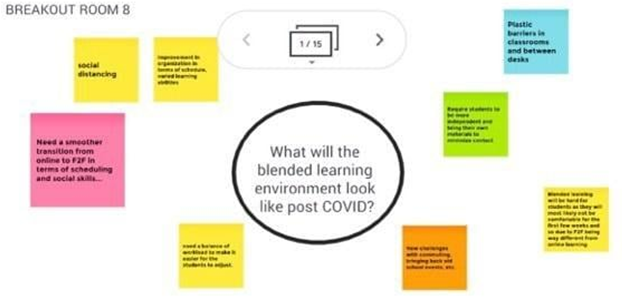




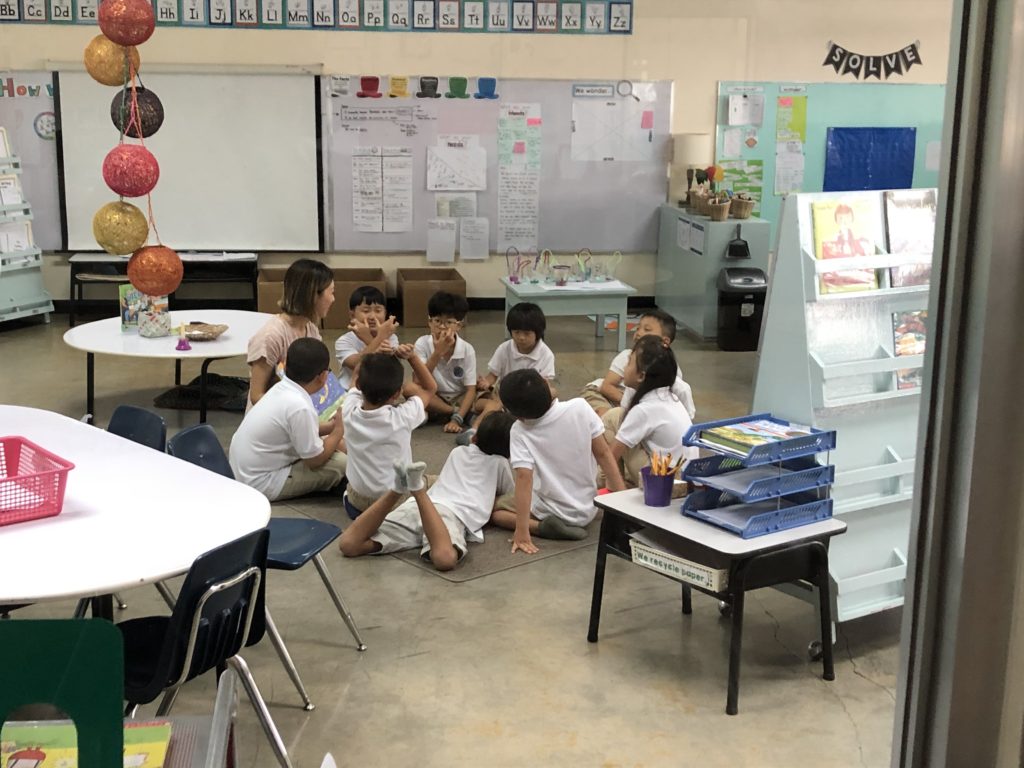
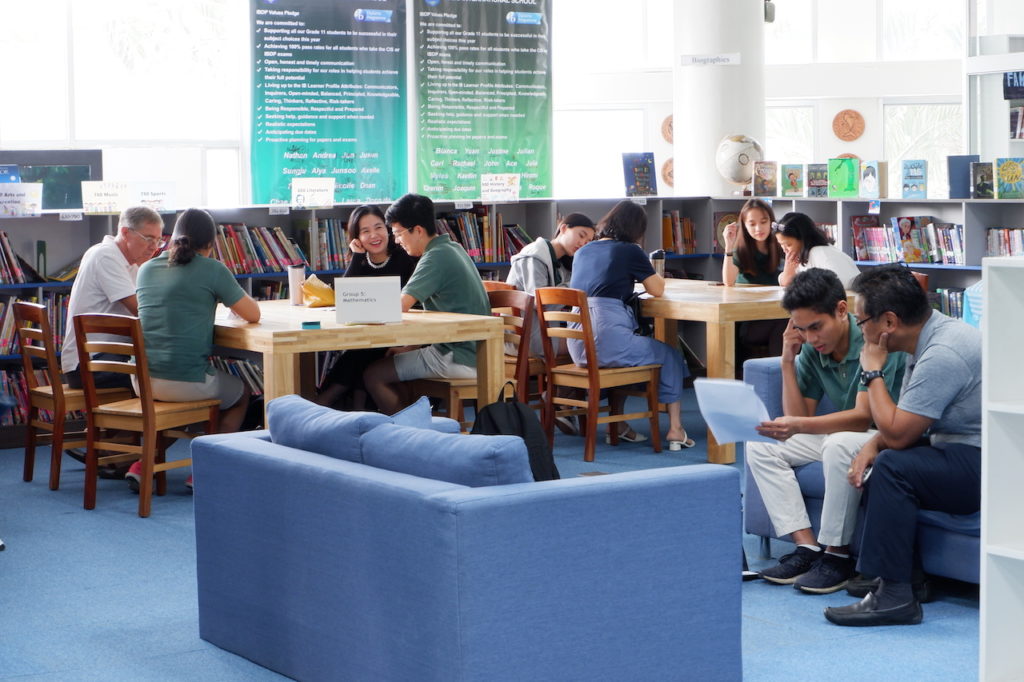 We will also be streamlining the way in which we are supporting our MYP students in the afternoon so that they have more sustained opportunities to engage in their asynchronous work, while still having access to teachers for support. This will be piloted over the next month and is a direct result of listening to student feedback. The afternoon blocks will remain but be amended slightly to consist of Class Study Time (led by the teacher) and Independent Study (with access to the teacher as required by students). Our teachers are also cognizant of the need for students to have downtime, especially during breaks, and meetings with MYP students will not be scheduled by teachers during these times.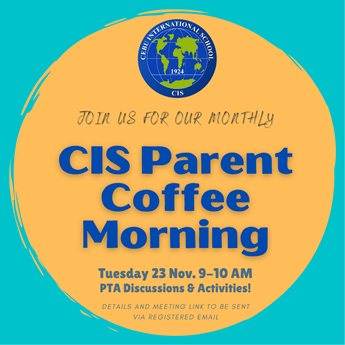



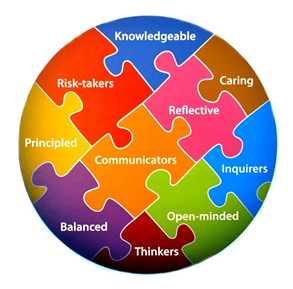 The Learner Profile can be considered the IB Mission Statement “in practice”. It: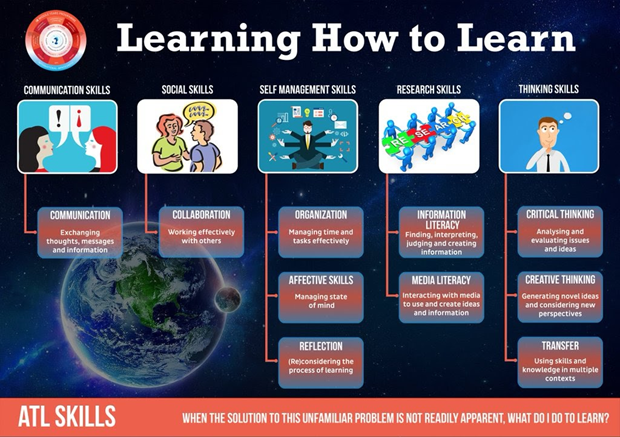
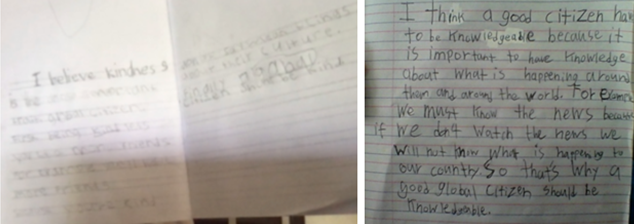
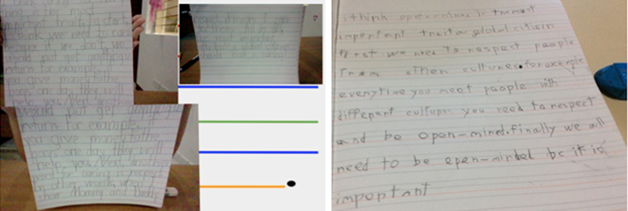
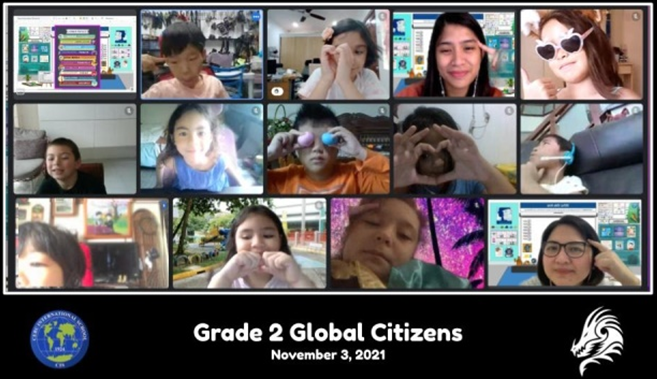 The Grade 2 Global citizens have been inquiring into how multiple perspectives help global citizens respect similarities and differences. Last week, they engaged in a meaningful collaborative discussion about what it means to be a global citizen and internationally-minded. They realized that for an internationally-minded person to be a global citizen, one must be an
 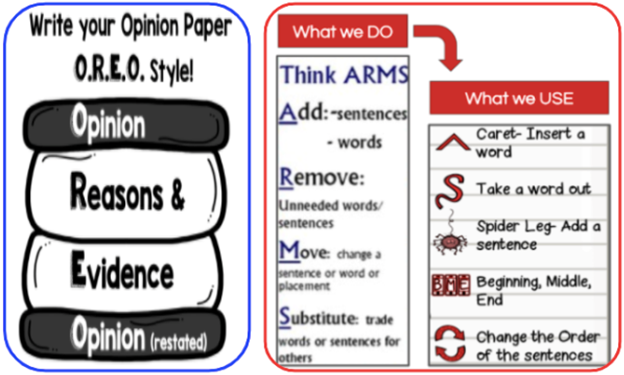 the O.R.E.O. (Opinion, Reason, Evidence, Opinion restated) as a guide to organize their opinion pieces. Then, they looked at how they can improve their writing using A.R.M.S. (Add, Revise, Move, Substitute) to revise. We saw how our Grade 2 Writers revised and improved their writing pieces by responding and applying the feedback given by their teachers and classmates.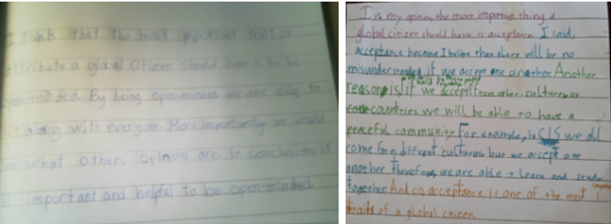
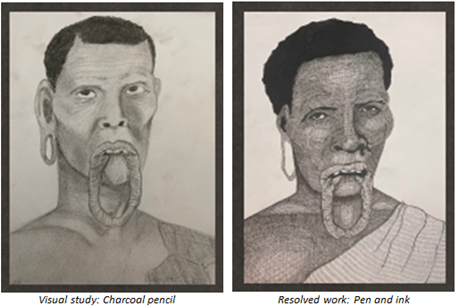
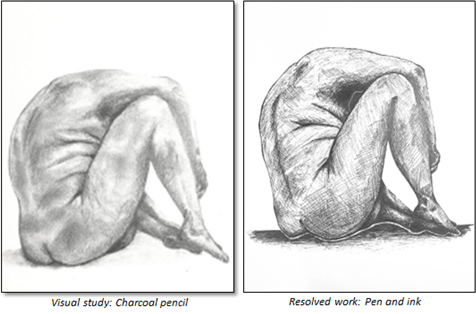
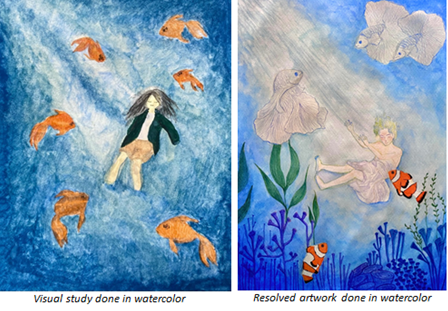
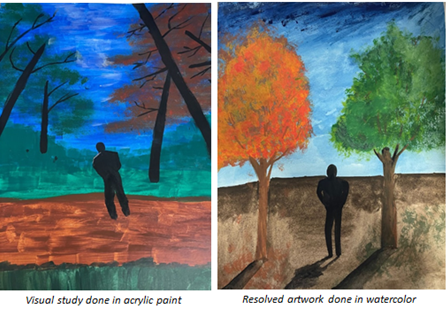
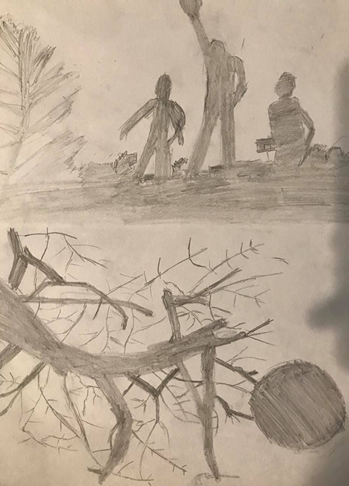
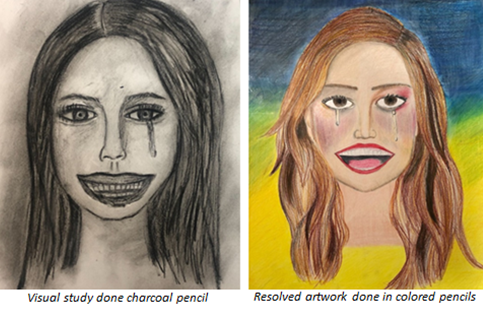 In this first piece of artwork, I especially wanted to focus on human feeling and emotions. This is because it is the type of emotion I know the most and have experienced a lot as a human being. I think happiness and sadness is the most common emotion people feel. People easily get excited and joyful with simple things, but they even get depressed and annoyed as easily as they feel happy. So, to express these two most common human emotions, I used two different facial expressions at once, eyes crying but mouth laughing. The two facial expressions, her mouth smiling and eyes crying shows her confusion in her own feelings and thoughts. – Yoonseo
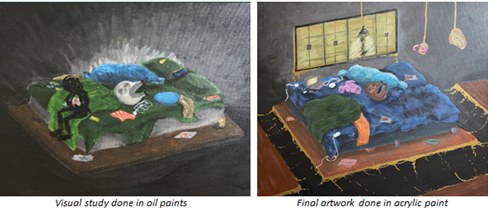
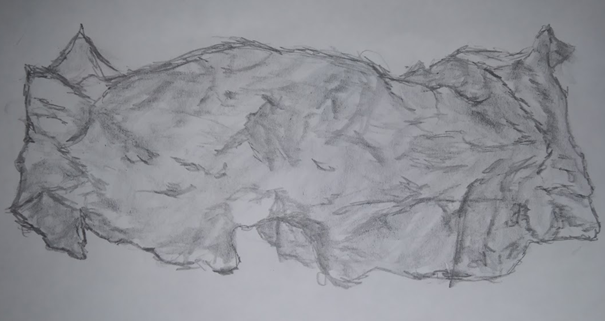
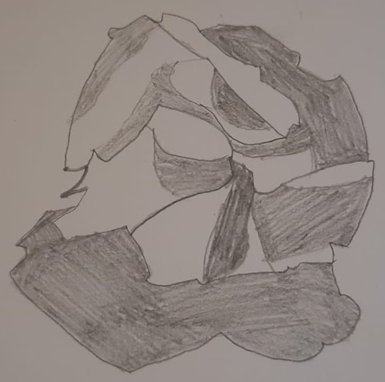
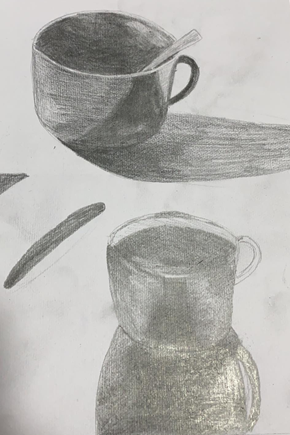
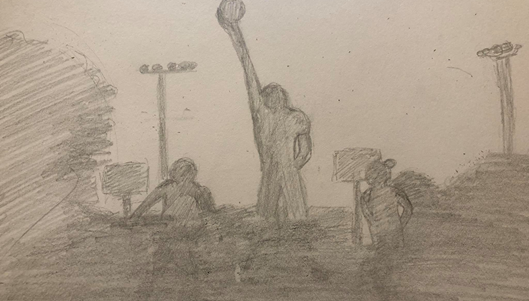
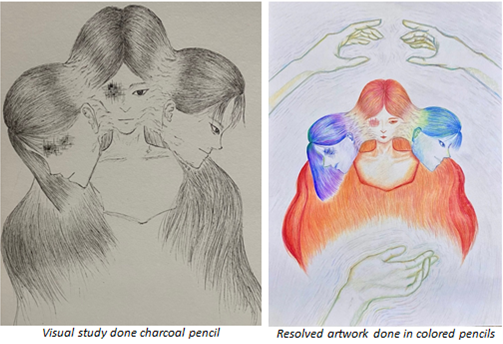 These two sketches are about my appearance, especially related to my hairstyle. When I said that I was going to have a short haircut, there were a lot of contradictions about having short hair and even some gave me bad looks. The message I want to express is that the length of my hair doesn’t change my personality. To represent the social pressure and pressure from surroundings, I decided to add hands on the second sketch. I drew hands to represent the collection of broken pieces from the head to express the stress. – Chewon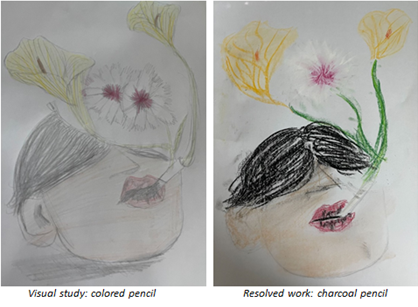
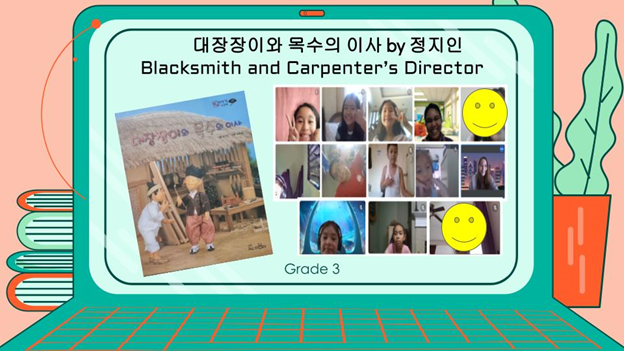 Myths, the Grade 3s nominated the following books:
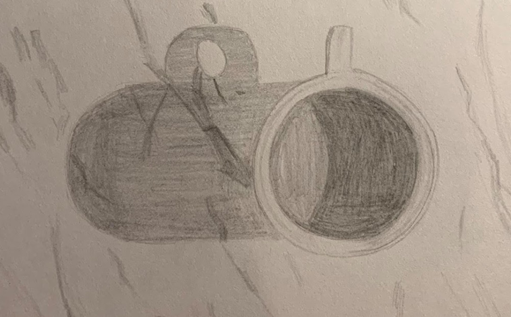

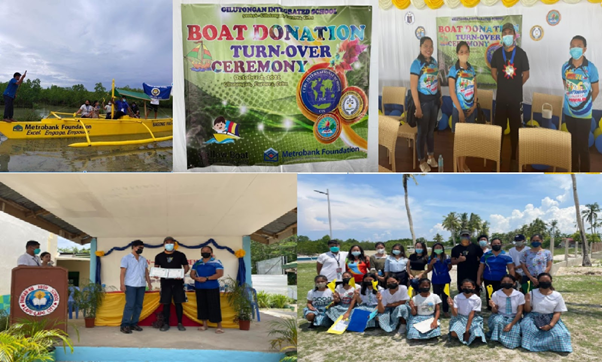 Gilutongan Integrated School received books, a boat, and educational materials while Pangan-an High School received a boat. The books were donated by CIS students through the service learning campaign and initiative we had last June.The boats were made possible through our collaboration with Yellow Boat of Hope Foundation. Aside from these two islands, CIS has been working with Caohagan Elementary School and was able to accomplish significant and sustainable projects in the island for the past years. The boats that were donated were painted by CIS students during our Week Without Walls in February of 2019. The lockdown caused the cancellation of this turn over several times. The schools will use the boat to transport students and teachers from one island to another. This is also very useful for teachers who are distributing the students’ modules, checking on their students from other islands and responding to emergencies.








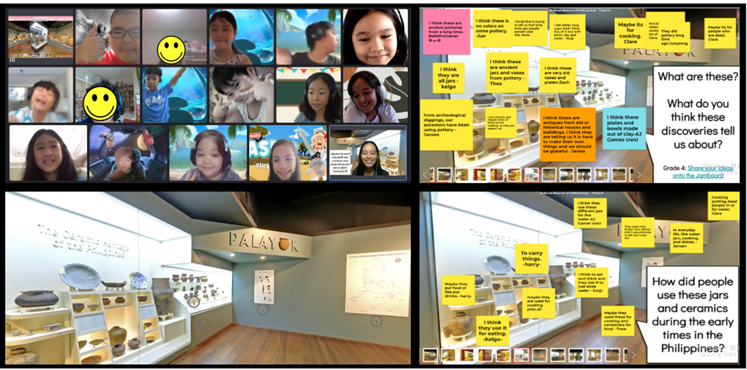
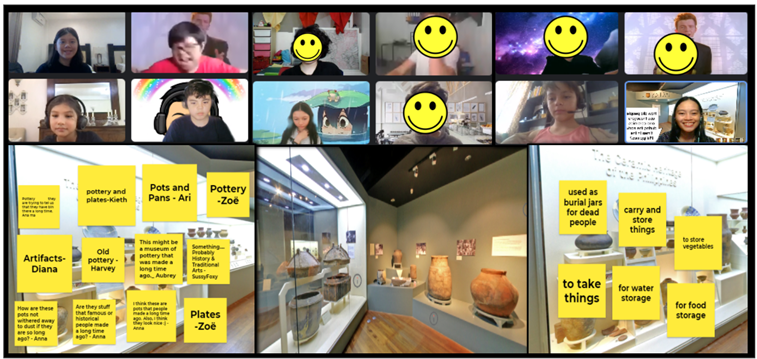
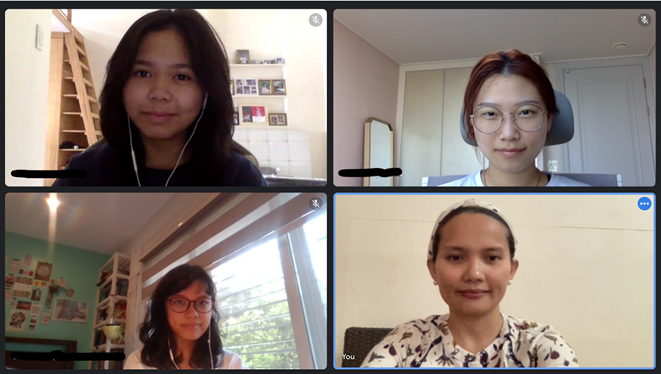 It also allows students to assess the challenges faced by historians in writing a historical investigation and determine the factors that could influence the outcome of their work.
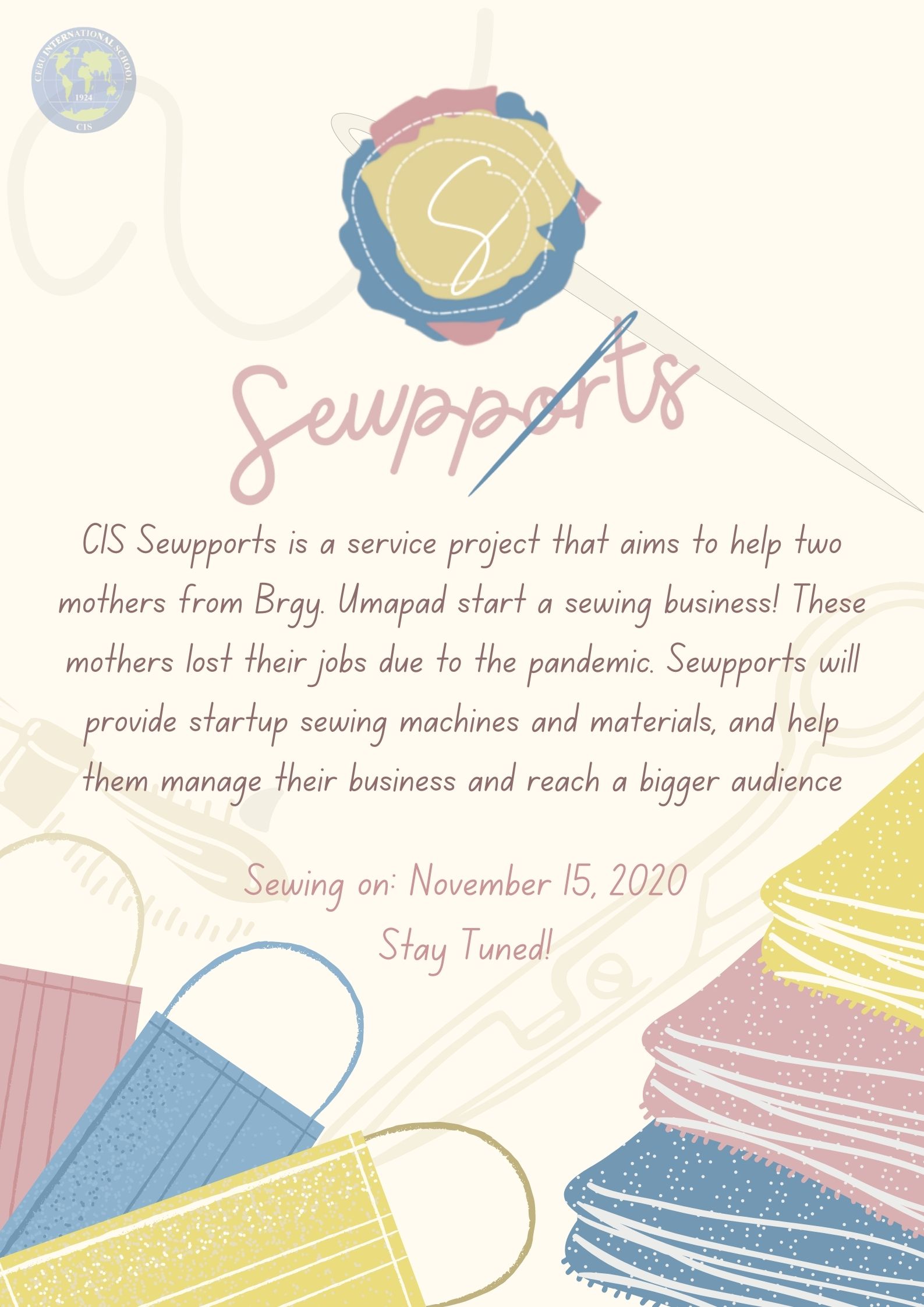
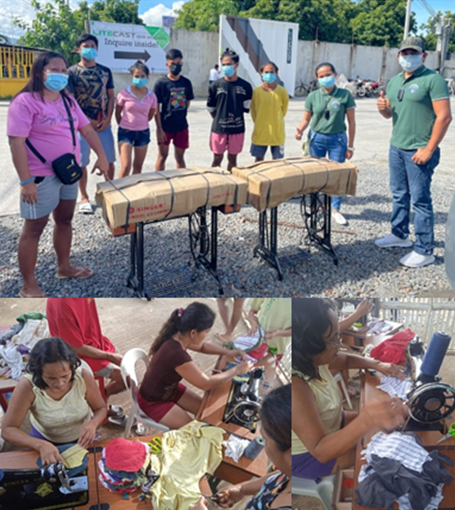 The Grade 11s are taking on a new project: CIS Sewpports and Drop Your Share!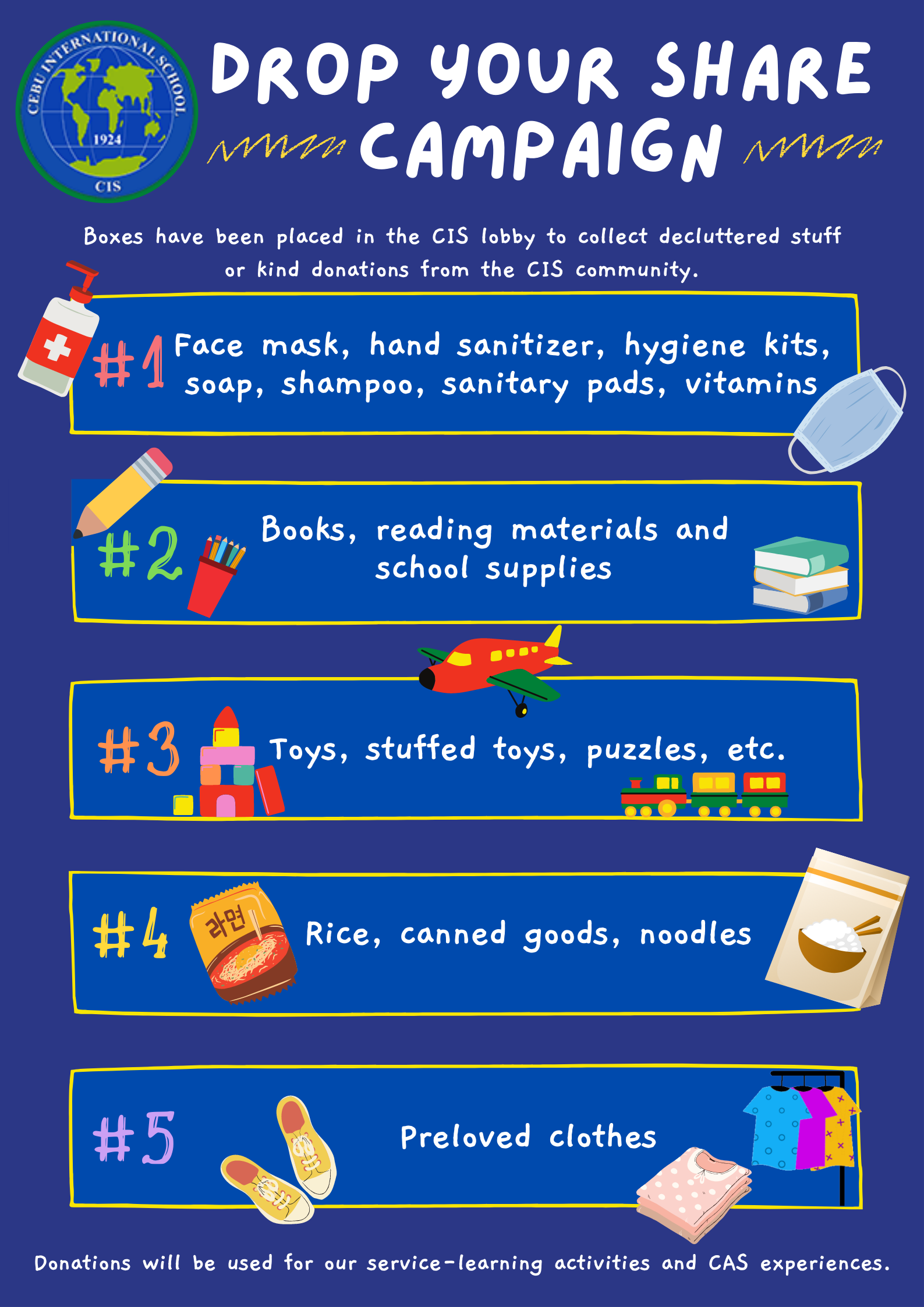
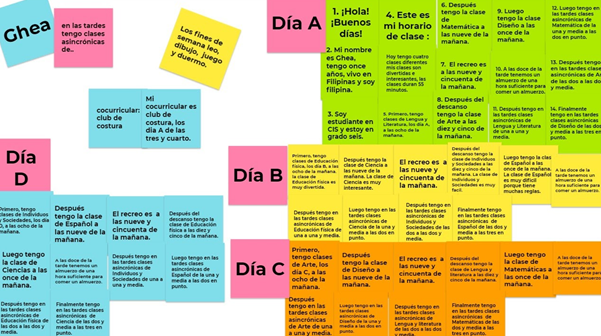
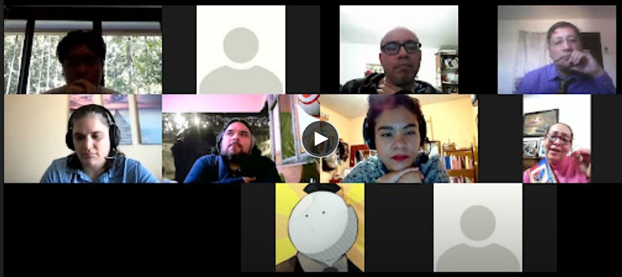 The class hosted four native Spanish speakers that represented diverse areas of the arts world: a design teacher, a prima ballerina senior, a theater director, and a multidisciplinary artist. Each of them contributed to a vivid discussion on the topic and helped our students to grasp the meaning of beauty from their own professional perspectives. It was so refreshing to see the students interacting with professionals and discussing a deep topic in a second or third language. ¡Orgulloso de ustedes, muchachos!
 In Grade 6 and 7, we are looking at “The Giver” by Lois Lowry and making connections to our previous unit “How Do You Pass The Time?” When thinking of the central idea (“
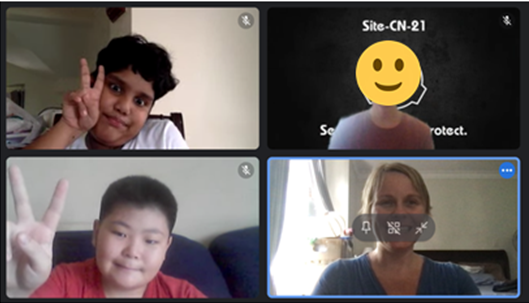 We will also be having virtual penpals from Vietnam to meet with third culture students living there and practice our communication skills! Directly linked to some of our inquiry questions (What is school life like in other countries? What sayings have hidden meanings? How can you understand hidden meanings from words and phrases? Are all students the same around the world?), we will have a chance to make connections with people from other backgrounds.
 In Grade 8 & Grade 9, our character analysis of characters from “The Hunger Games” linked very closely to our first unit, “How Can I Connect With Others?” Delving into personality traits, analyzing friendships and contemplating if different people can be friends are themes prevalent throughout the novel.
 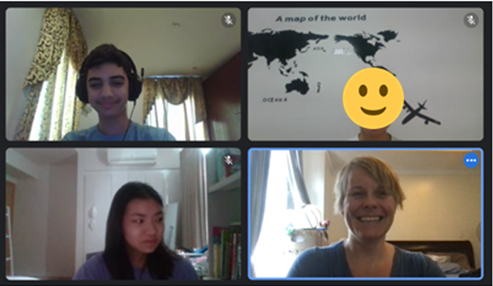 As we begin our new unit, we will keep our statement of inquiry, “Teens around the world have different goals and face different challenges”, in mind as we continue to explore how Katniss, Peeta and the other teenaged characters decide on their goals for survival and react to challenges within the novel.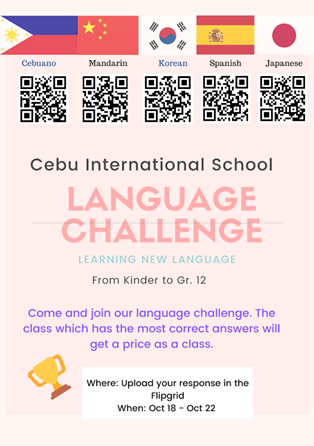


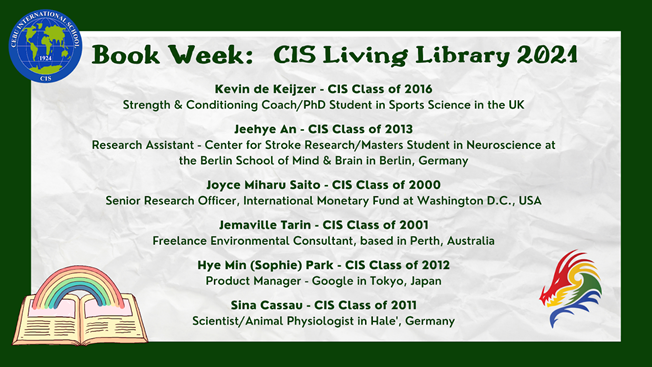
 Northwestern University in Qatar
 University of Hong Kong
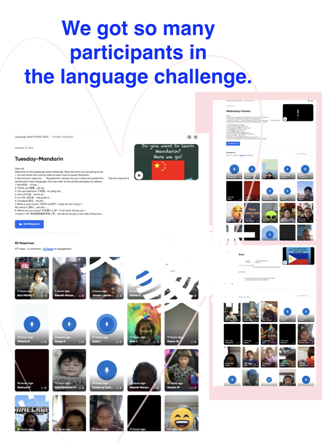
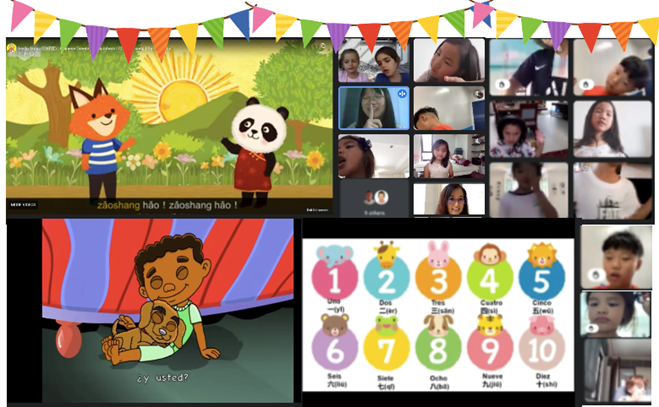
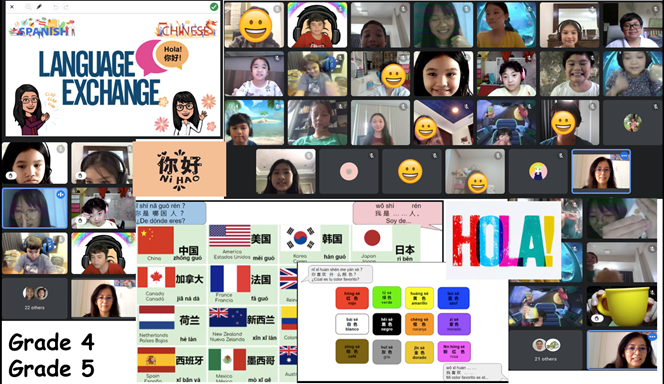
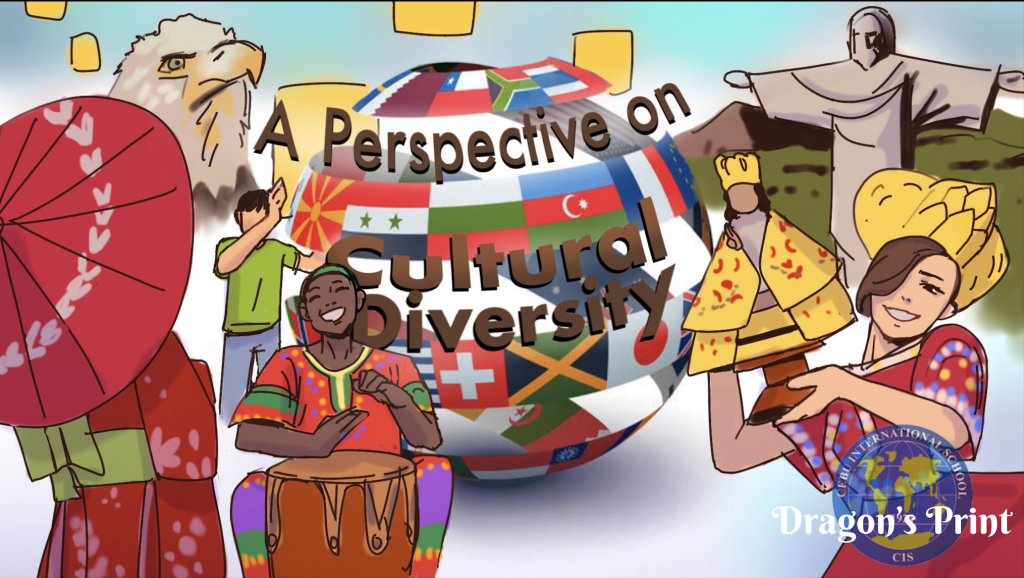 Seven billion people in the world, thousands of languages, and several continents we can simply count with our fingers; yet there is much more in the world to explore! Read more about cultural diversity as Akeisha M. shares her perspective as a new student in CIS on
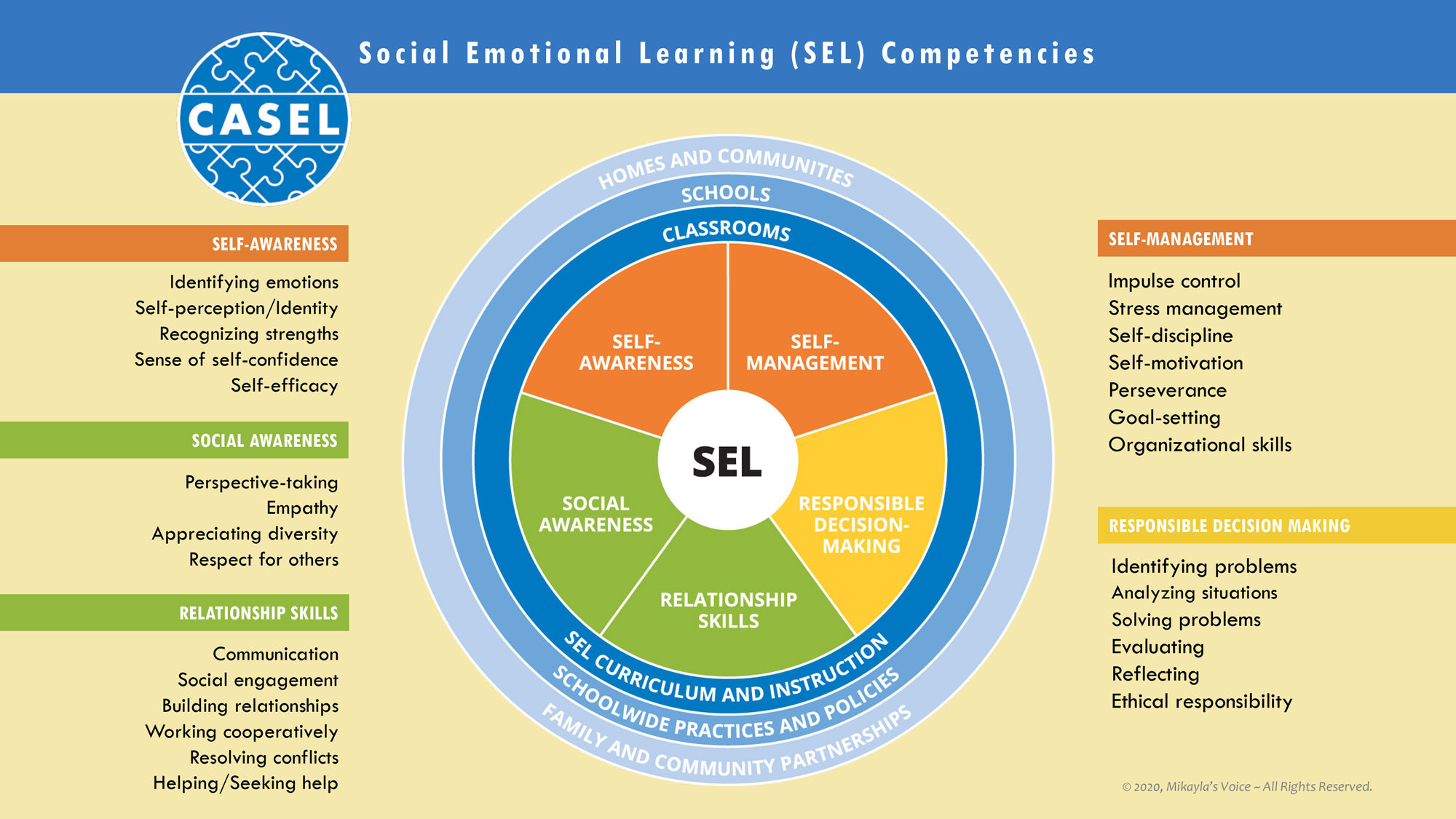
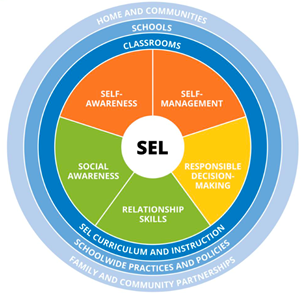
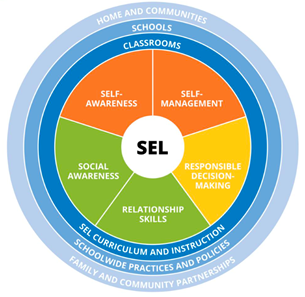 To recap, the “CASEL 5” competencies (refer to CASEL’s SEL diagram) can be “taught and applied at various developmental stages from childhood to adulthood and across diverse cultural contexts to articulate
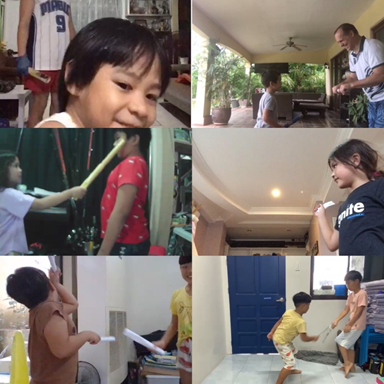
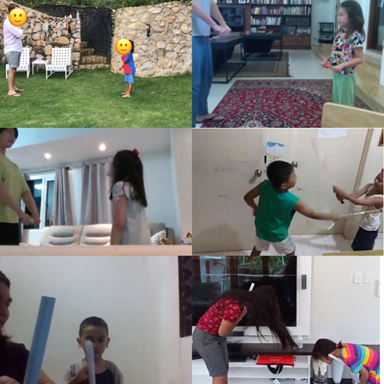
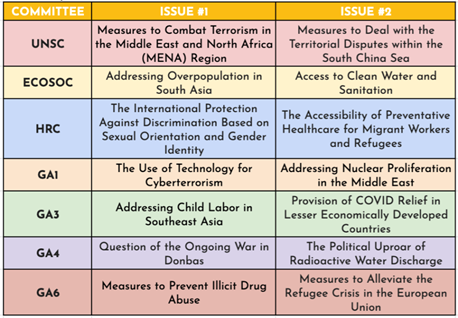 held virtually towards the end of our October Break on October 8 & 9, involving 272 total delegates from nineteen different schools across the Philippines.
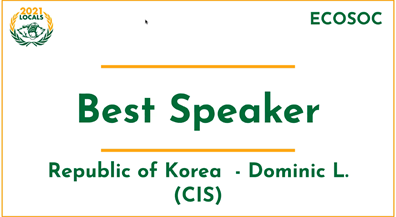 Alessandra F. (G10) was a first time participant and was also selected to be a member of the Press Team, reporting throughout the weekend on the MUN LOCALS Social Media page. And Dominic L. (G12) was selected as Best Speaker for his committee. Well done not only to Alessandra and Dominic, but also to all of the CIS students who did such a great job!!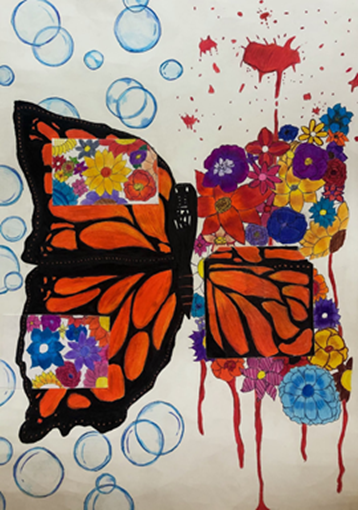

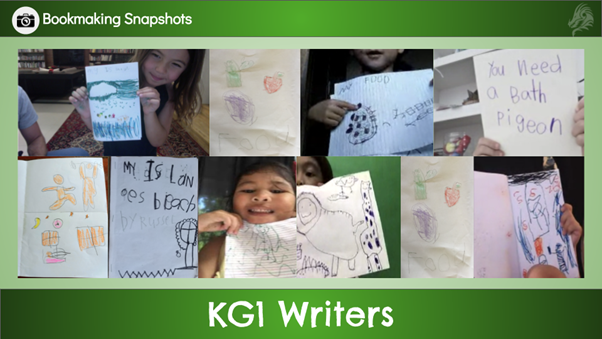
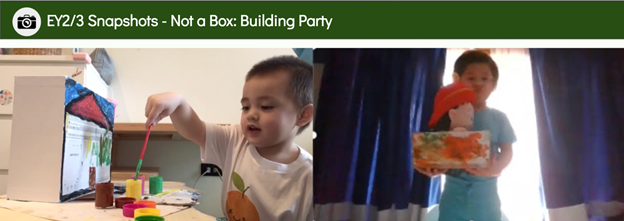 learners have created their own stories from what they have made, and through this, we also developed our communication and thinking skills. We have encouraged them to have characters, the setting, and the plot. With the help of several guiding questions, they were able to narrate their stories.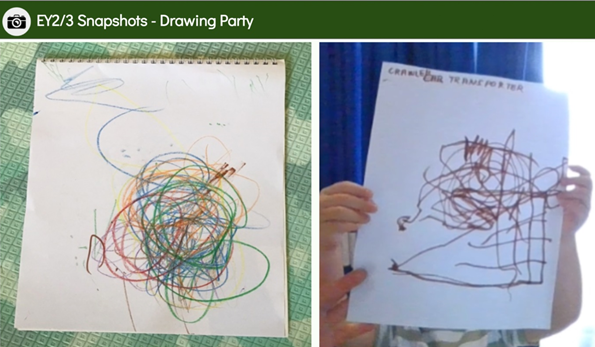
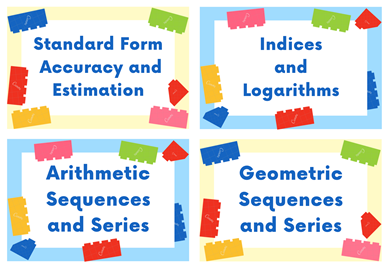 Major conceptual understandings highlighted this quarter are the following:
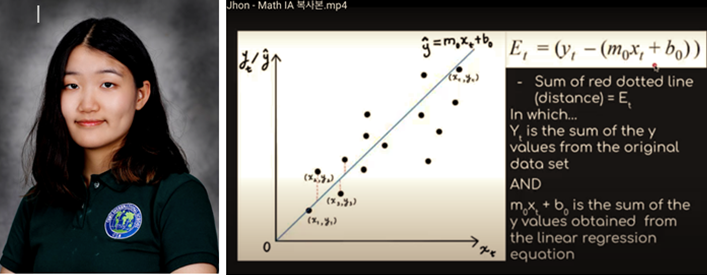
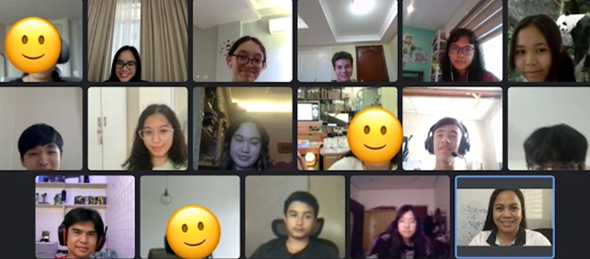 The students who are new to the DP Math AI-SL course completed different explorations, modelling and investigation activities independently and collaboratively. They maximize the use of technology in and out of the classroom to justify their conjectures and explain their reasoning using appropriate mathematical language.


 The
The
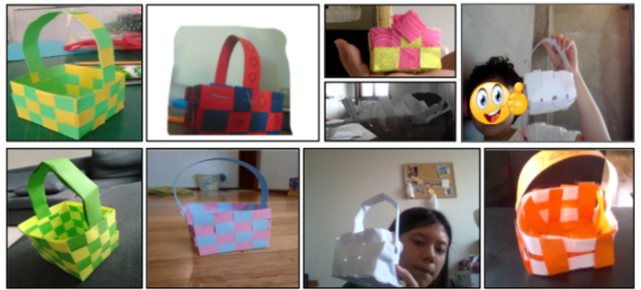
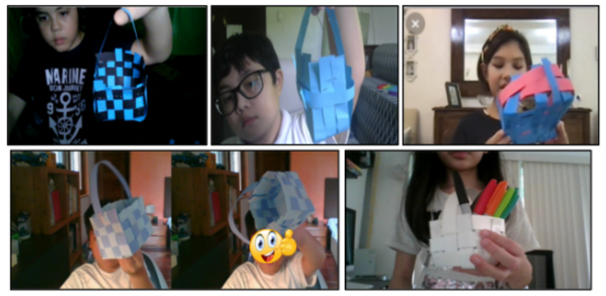
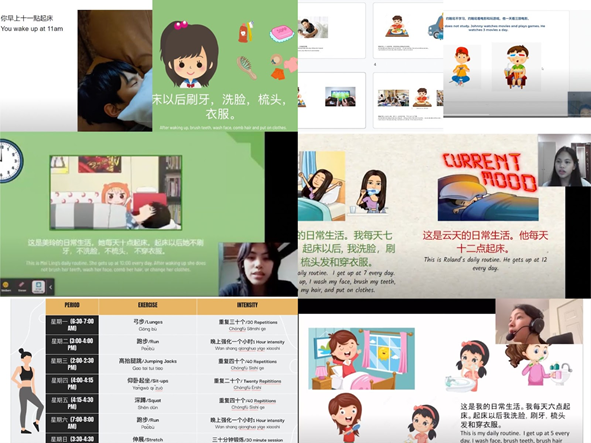
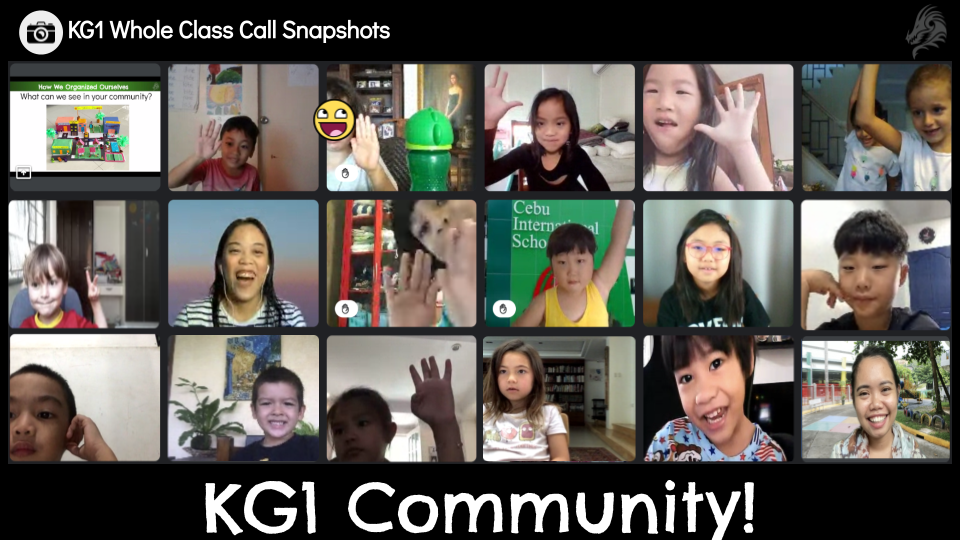
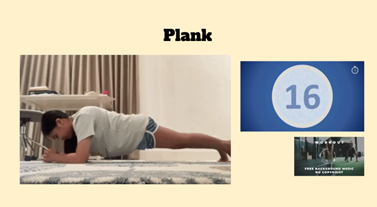
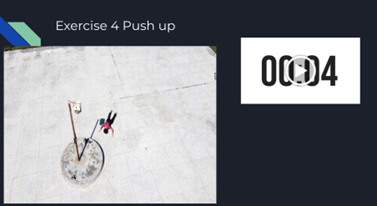
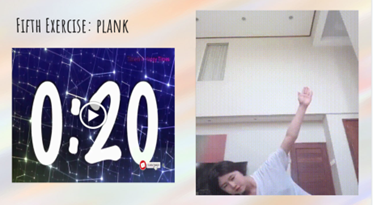
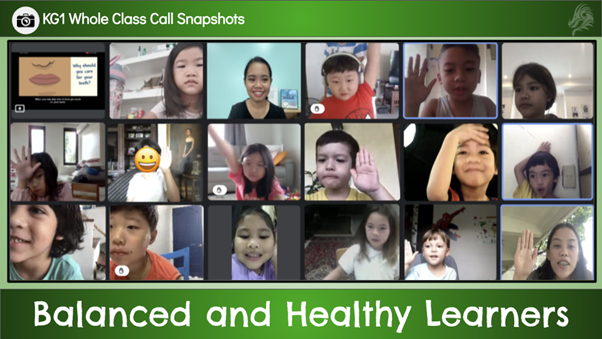 In our Unit, Who We Are, our KG1 students have been inquiring about how our daily choices and routines help us be balanced and healthy. We identified the four pillars of a balanced and healthy life. These are having a balanced meal, sleep and exercise, hygiene, and a positive attitude.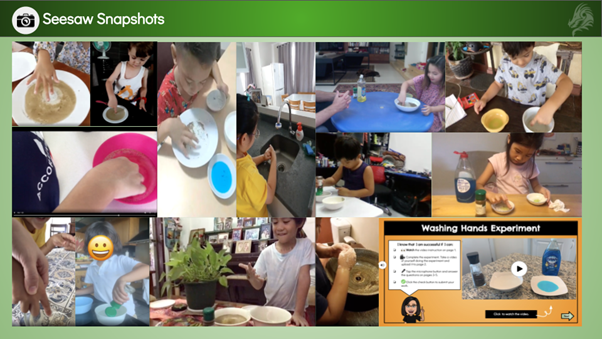
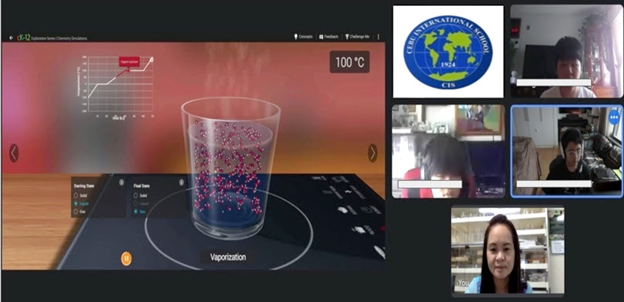
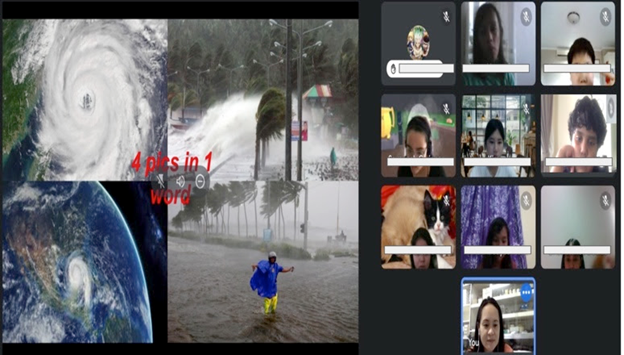 In Knowing how the planet works, the Grade 6 students explored natural calamities that occur on Earth, such as earthquakes, volcanic eruptions, landslides, tsunamis, typhoons, and many others. These are natural occurrences that play a role in shaping the Earth. Understanding these occurrences is a very important part of the mitigation of their adverse effects on humankind. Thus, understanding the Earth’s