

MHS Principal’s Corner
by Mr. Benjamin Martin, MHS Principal
Does the Early Bird Really Catch the Worm?
Many of us have heard the popular phrase that “the early bird catches the  worm” and have been told that waking up earlier will lead to more productivity. But what does the data show? Is this actually true? In fact, in addition to the research that highlights that students who attend their classes having an advantage over their peers who miss classes, (Gershenson et al., 2017; Kirksey, 2019; Klein et al., 2022), the results are quite clear that these “early bird” students do in fact have an advantage down the line.
We see this firsthand with our own students on their report card grades and with their performances on their IB exams. But our internal data also aligns with the studies that have shown that students who wake up earlier have higher scores in university and this is aligned with the data that shows that people who wake up early have a higher average salary and better mental health.
We know that waking up early is not easy. It is difficult for all of us and because of the sleep cycles of adolescents, ideally school could start later for them (and for us educators!). Unfortunately, we also know that most companies need their employees at work earlier and that most children would be unsupervised at home or not have the transportation they need so most schools must start early in the morning. We know that by living in Asia, large populations are a given and many people means many people commuting, which leads to traffic congestion, which means an even earlier start to the day. I have previously lived and worked in Seoul, Ho Chi Minh, and Bangkok and had long commuting times.
However, waking up earlier is possible for us to do and forming these habits will lead to future success over time for our students. We appreciate your assistance in making sure that your child wakes up early and has the transportation they need to arrive just after 7:00 am so they are fully awake and ready to learn at 7:30 am. As the data proves, this will result in better scores and better health. It isn’t easy to be an “early bird” but it does make a difference in putting ourselves in the best positions possible to be more successful, happier, and healthier!
Upcoming events of note
- Sept 15: HAD1: AM only / Faculty in service day (PM) – no classes in PM
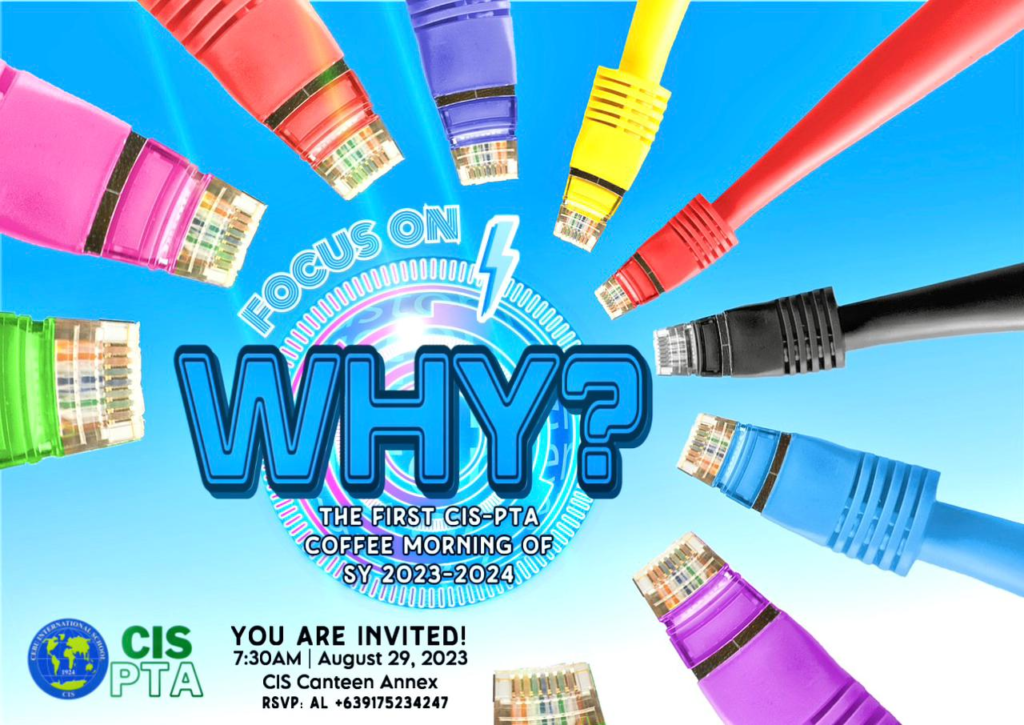
- Sep 19: CIS Annual General Membership Corporation Meeting
- Sep 29-30: MUN Locals
- Oct 2 – 6: October break (School holiday)
Please refer to the CIS Event Calendar for the complete calendar of school events.
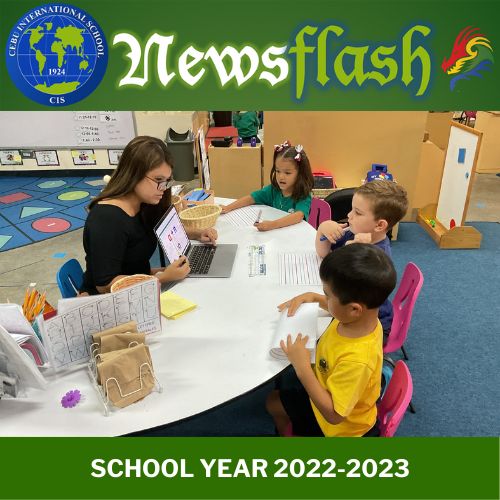
Early Years
by Ms. Aimee Valenzona, Early Years Teacher
Empowering Students: Co-Creating Classroom Routines and Essential Agreements
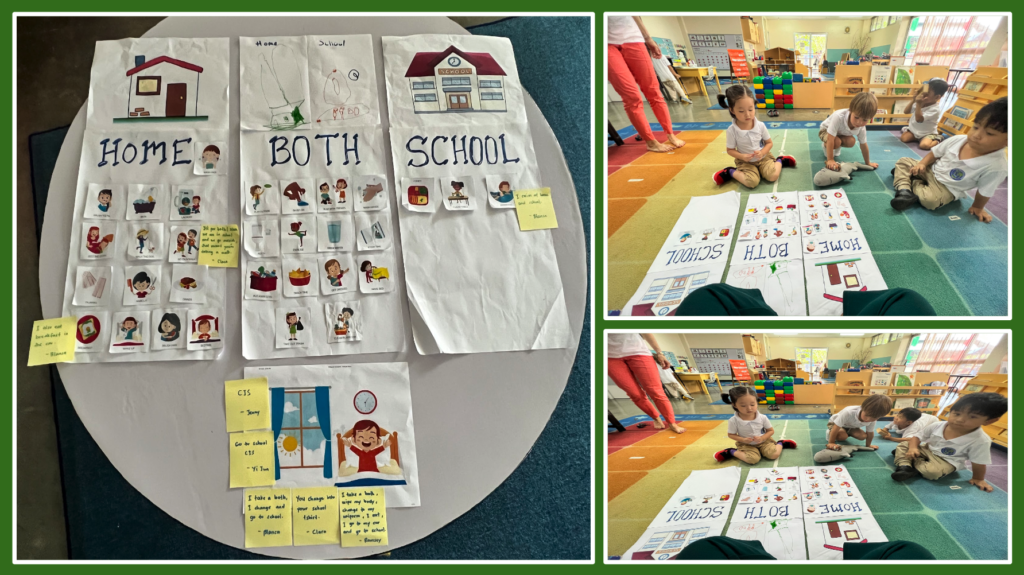
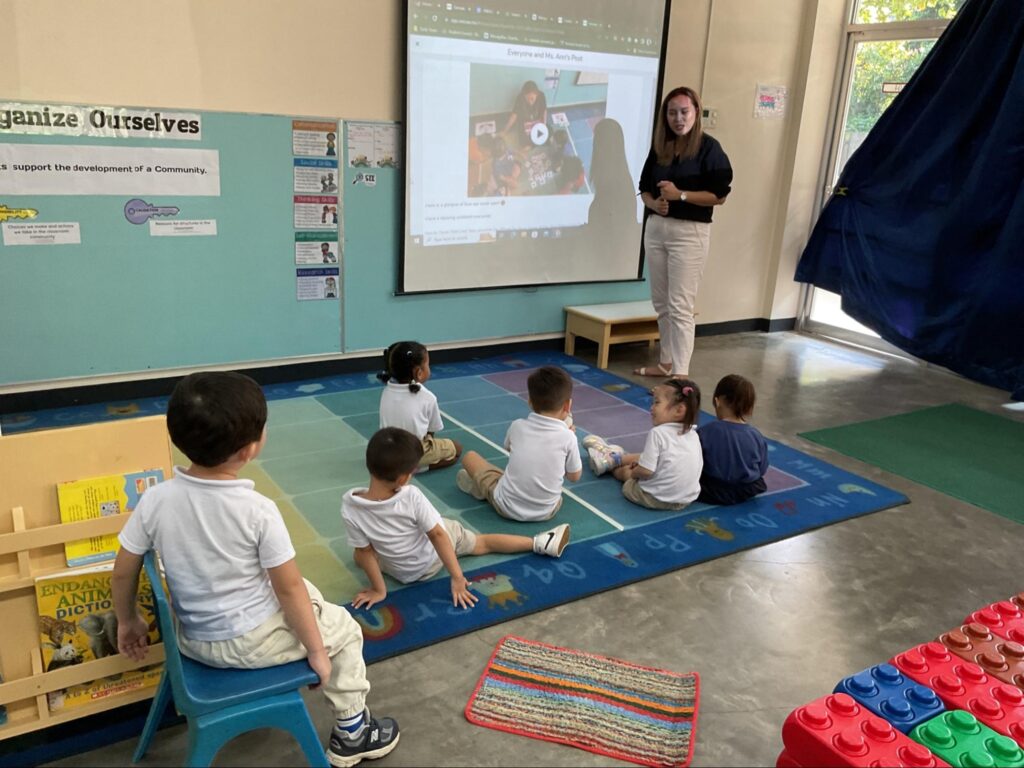
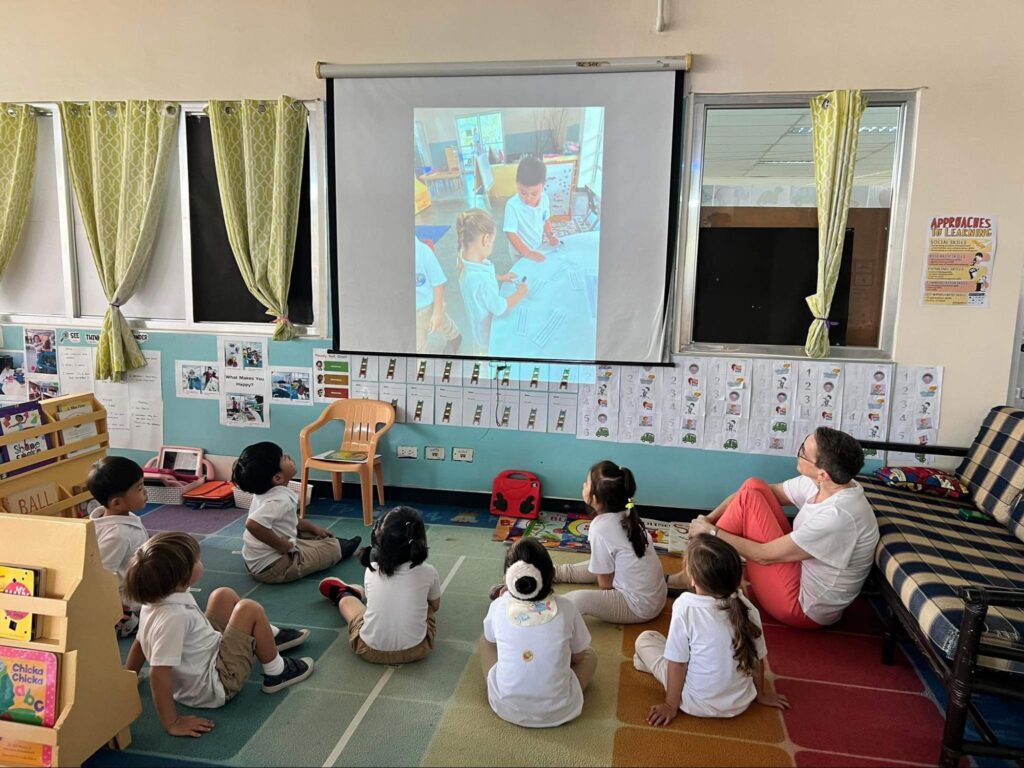
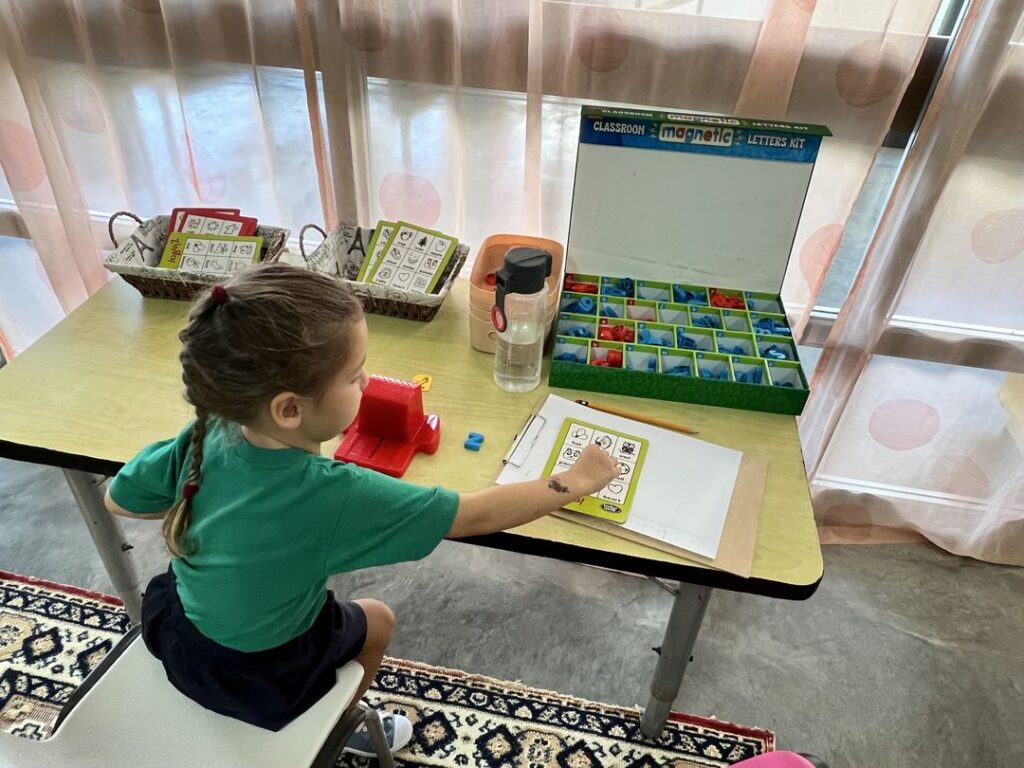
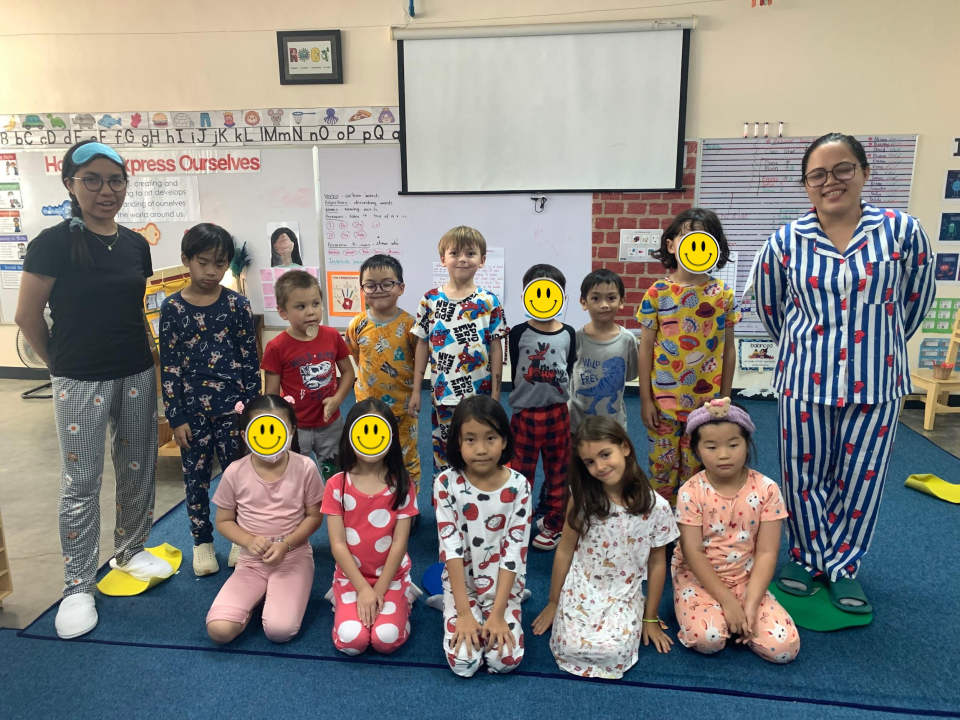
In the Early Years, we explored the concept of routines and their significance in our daily lives. We seized the opportunity to explore the meaning of the word “routine” and encouraged our students to reflect on the similarities and differences between their home and school routines.
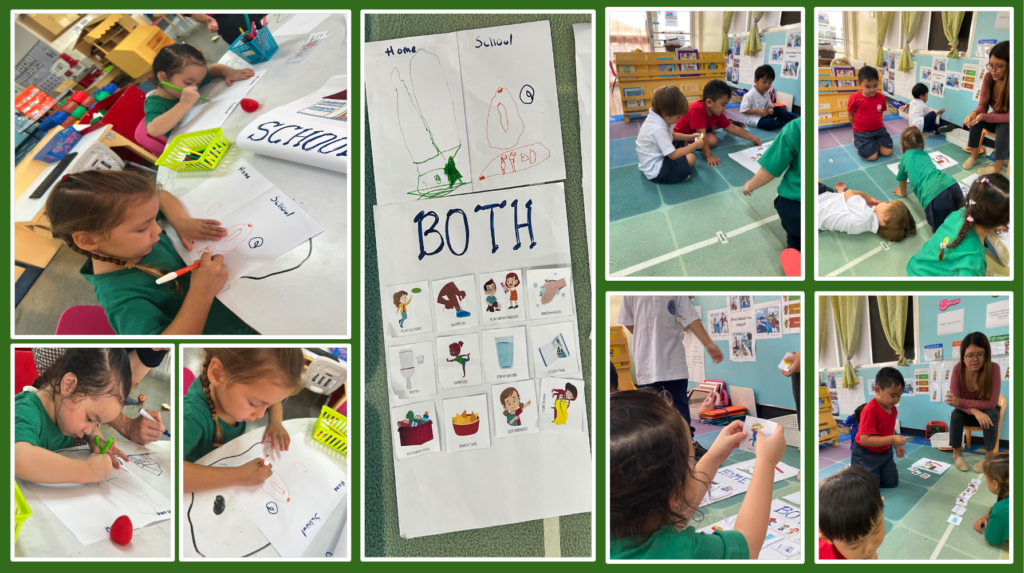
Together as a class, we expanded our list of routines by adding more examples. The students actively participated in this process, sharing their own experiences and insights. To further deepen their understanding, we engaged in a sorting activity where we categorized these routines into three groups: home routines, school routines, or both. What made this activity truly special was the valuable feedback and opinions shared by our students. They expressed their thoughts on where these routines are established and whether they are applicable at home, in school, or both. This discussion not only fostered critical thinking skills but also empowered our students to take ownership of their own routines.
By reflecting on their daily routines and recognizing the similarities and differences between home and school, our students are developing a greater understanding of the structures that shape their lives. The process of reflecting and categorizing these routines is helping them build a sense of ownership and agency over their routines, empowering them to make informed choices and establish positive habits.
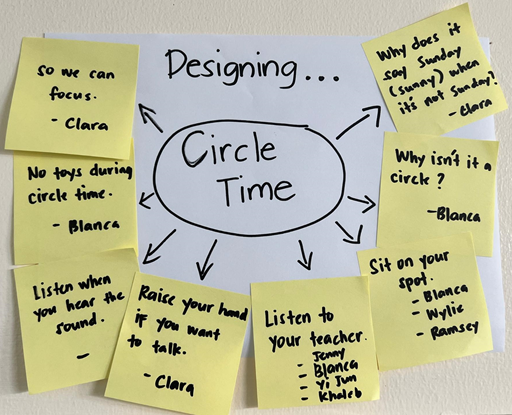 Our students took charge of their learning environment by actively participating in the co-construction of a 3-step circle time routine. In small groups, they collaborated to create a routine that will guide their behavior during circle time. Their enthusiasm and commitment were evident as they even marked their thumbs on an agreement sheet to show their dedication.
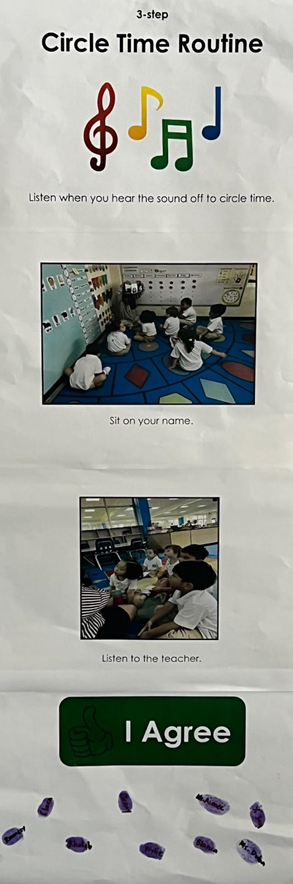 The 3-step Circle Time Routine
- Listen when you hear the sound off to circle time.
- Sit on your name
- Listen to the teacher
But that’s not all! Our students also engaged in meaningful discussions about the essential agreements for circle time. These agreements serve as guidelines for their behavior during this important learning period. Some of our students actively shared their thoughts and ideas during circle time discussions.
Circle Time Essential Agreements
- Play during circle time.
- Put away our toys
- We should raise our hand If we wish to speak
We are thrilled to witness our students taking ownership of their learning environment. By involving them in the decision-making process, we are fostering their independence and promoting a positive classroom culture. This activity not only helps establish routines but also empowers our students to become responsible members of our classroom community. Looking ahead, the Early Years will gradually develop their routines and essential agreements for each of the learning centers in the classroom. Our next focus will be on the Dramatic area and the Classroom Library.
Stay tuned for more exciting updates as we continue to grow and learn together!
Grade 6: MYP Science
by Ms. Haydee Montero, MYP Science Teacher
How does the planet work?
To know how the planet works, the Grade 6 students explored the two important movements: rotation and revolution in relation to how day and night and seasons are experienced on Earth. To do this, a 3D Simulation Model of the Earth, Sun, and Moon was made.
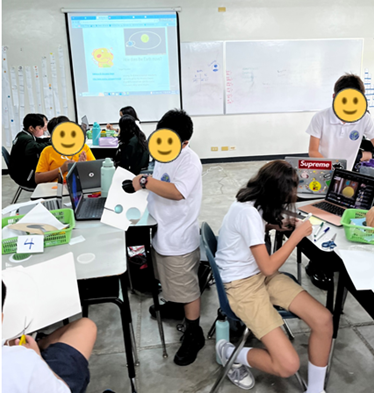
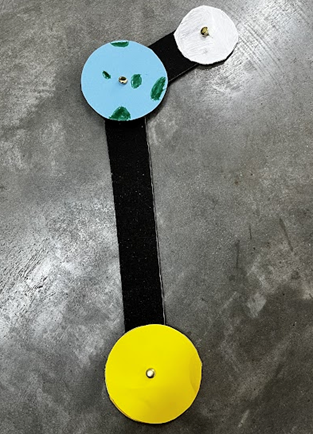
The Earth rotates on its axis every 23.9 hours, defining day and night for people in different parts of the globe. This axis of rotation is tilted 23.4 degrees away from the plane of Earth’s orbit around the sun, giving us seasons. Whichever hemisphere is tilted closer to the sun experiences summer, while the hemisphere tilted away gets winter, as the Earth revolves around the sun. Meanwhile, as the Earth revolves around the Earth, the Moon completes each 27.3-day orbit around the Earth as well. Both Earth and the Moon are moving around the Sun.
Here’s the takeaway for some students from the activity:
Roshan
Dammy
Student Summer Program Experiences
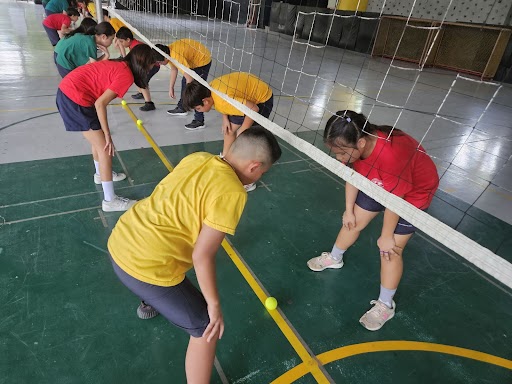
Natalie, Grade 12: Volleyball Summer Camp at the University of Colorado-Boulder
I took part in the volleyball summer camp at The University of Colorado-Boulder during the summer. At CU-Boulder, I registered for six different clinics, including the serving, setting, and bumping clinics. in addition to two three-day high-performance skill camps. We had the opportunity to practice with the entire CU-Boulder volleyball team, and they taught us all the drills they use on campus as well as a lot of advice on how we could enhance our play.
I learned a lot from this entire experience as a student-athlete in CIS. As the volleyball team’s captain and a current senior, this experience has helped me become a better player and leader.
I am going to cherish this experience, and I advise other athletes to challenge themselves to step outside their comfort zone and try something new, particularly if it will help them become better players.
Robert, Grade 12: Engineering Innovation Program at Johns Hopkins
Participating in the Johns Hopkins University’s Engineering Innovation Program has been an unforgettable summer journey. The program has gifted me cherished moments of hands-on discovery and camaraderie.
My favorite memories from the program include the spaghetti bridge building project which was the final project of the whole program. My group won 3rd overall in the whole program when our spaghetti bridge was able to hold 20 kg of weight. Another memory I’ll never forget was seeing the space shuttle discovery, the most decorated of the shuttle fleet.
Through immersive workshops, I honed skills in coding, problem-solving, and prototyping, which I can’t wait to apply in future endeavors. Moreover, the bonds formed with fellow participants turned into enduring friendships, enriching both academic and personal aspects. This experience has not only widened my engineering perspective but also left me with cherished memories and connections that will persist far beyond the summer.
College/Careers Counselor Corner
by Ms. Jenny Basa, College/Careers Counselor Corner
EducationUSA Visit (September 1, 2023)
DATE
Sept 2 Saturday
Sept 3 Sunday
Link to register
11:00AM – 4:00PM (PH time)
Live sessions schedule
List of institutions
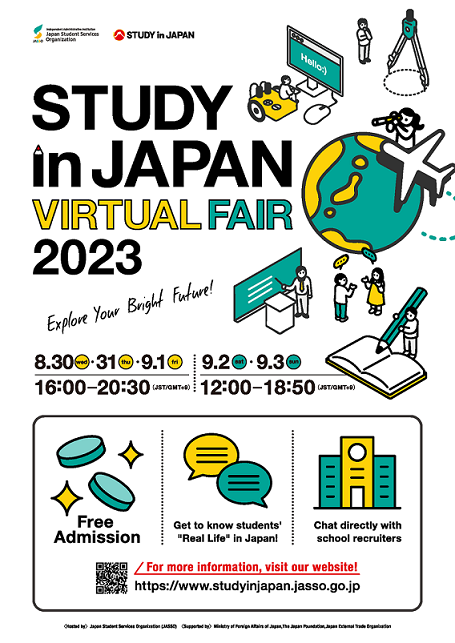
Study in Japan Virtual Fair – Chat directly with Admission reps and talk to students in Japan
Join us and learn about Brown University, Columbia University, PrincetonUniversity, and the University of Pennsylvania!
Admissions representatives will hold a virtual public information session for students and families about their respective universities and the highly selective college admissions process. Topics will include: academic programs, campus activities, admissions policies, financial aid, and international student life.

September 12
Tuesday
9:00 – 9:40AM
Canteen Annex
Link to sign up
NYU Abu Dhabi – Learn about the NYU experience, application process, programs and scholarship offered from the admissions rep.

September 27
Wednesday
9:00 – 9:40AM
Canteen Annex
Link to sign up
Hong Kong University of Science & Technology – an Info session on the application process, programs and scholarships at HKUST.

September 29
Friday
9:00 – 9:45AM
Canteen Annex
Mini Study in Canada Fair
Study in Canada – Meet with university reps from various institutions from Canada and talk to them about the application process, programs and other offerings.
(List will be published next week)
SAT Update
| Test Date | Deadline for Registration, Changes and Regular Cancellation |
| August 26, 2023 | August 11, 2023 |
| October 7, 2023 | September 22, 2023 |
| December 2, 2023 | November 17, 2023 |
| March 9, 2024 | To be confirmed |
| May 4, 2024 | To be confirmed |
| June 1, 2024 | To be confirmed |
To register for the SAT, you may click on this link. If you need assistance or have any questions, please feel free to email Ms. Jenny Basa at jbasa@cis.edu.ph.
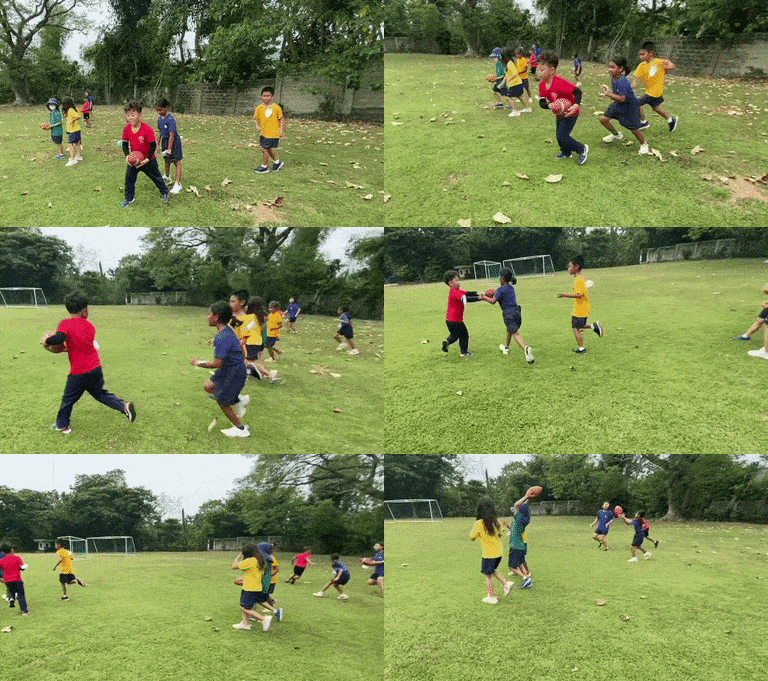
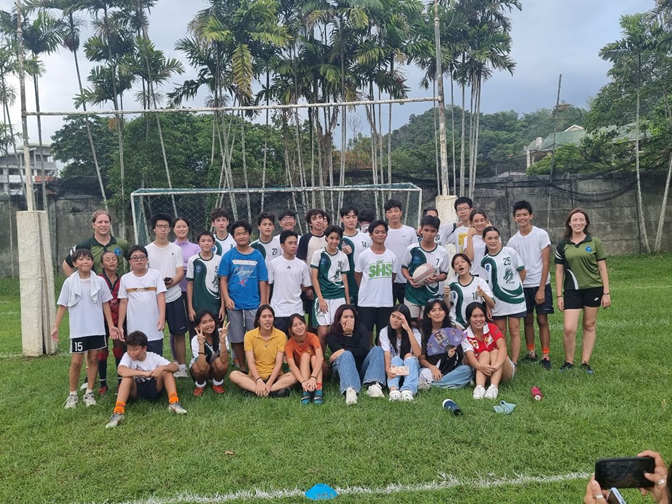
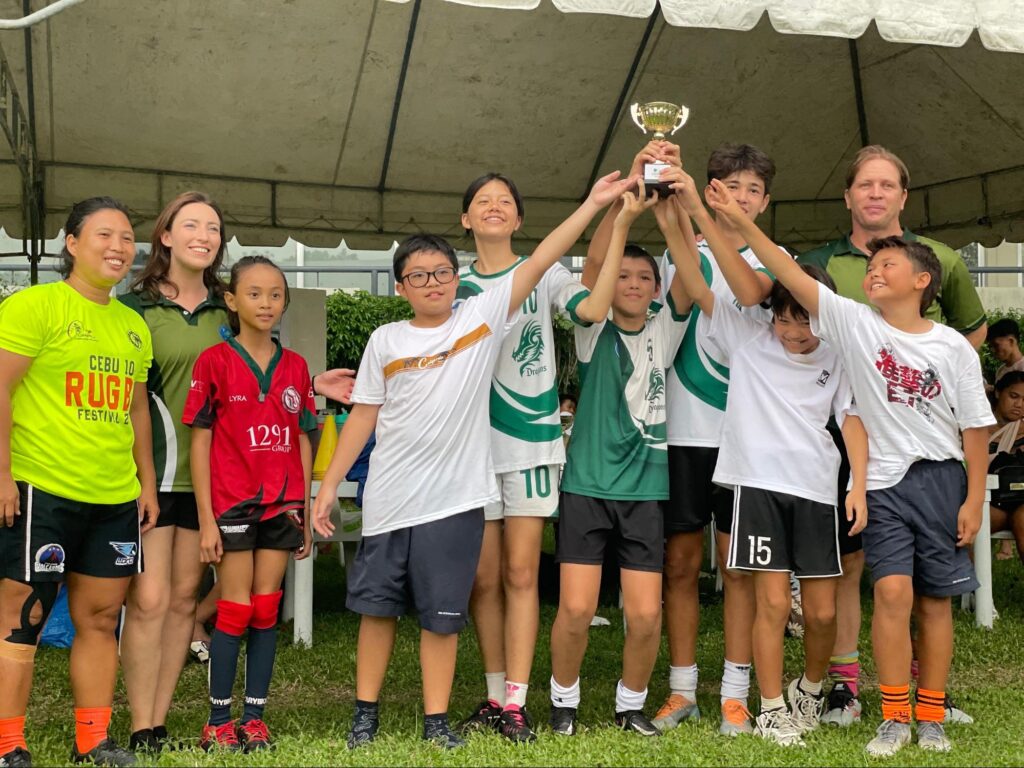
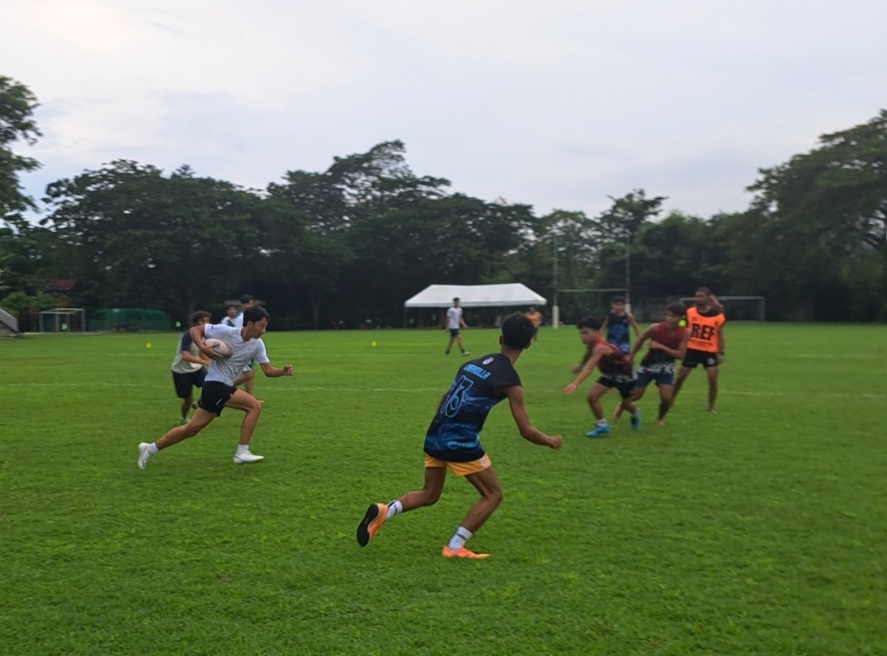
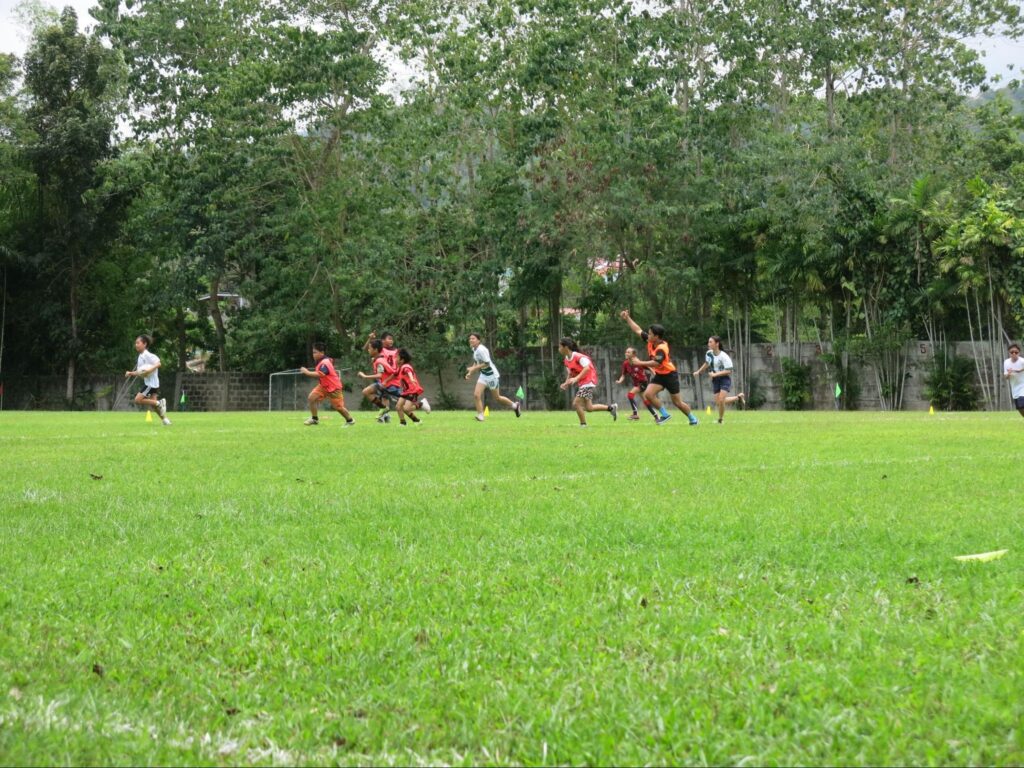
Touch Rugby Series

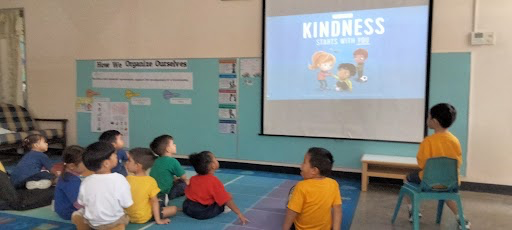
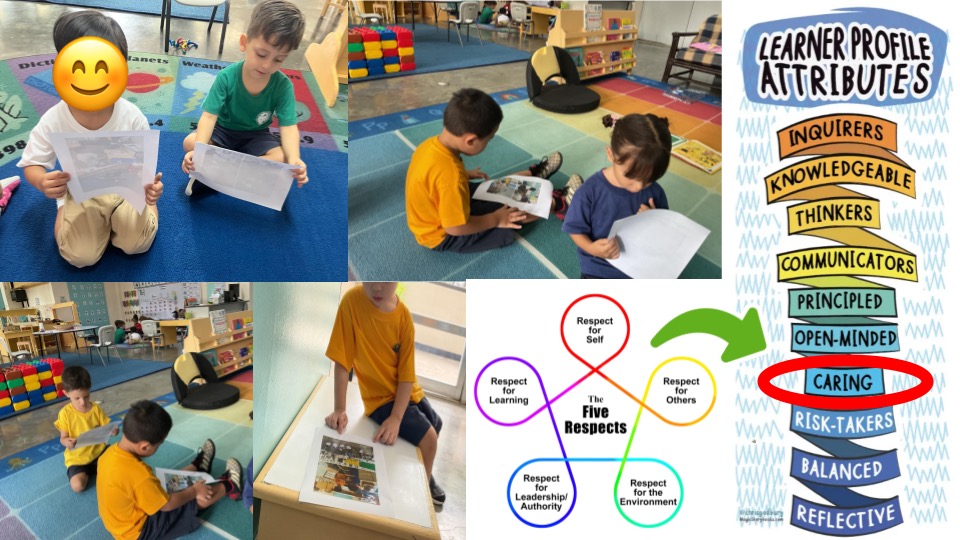
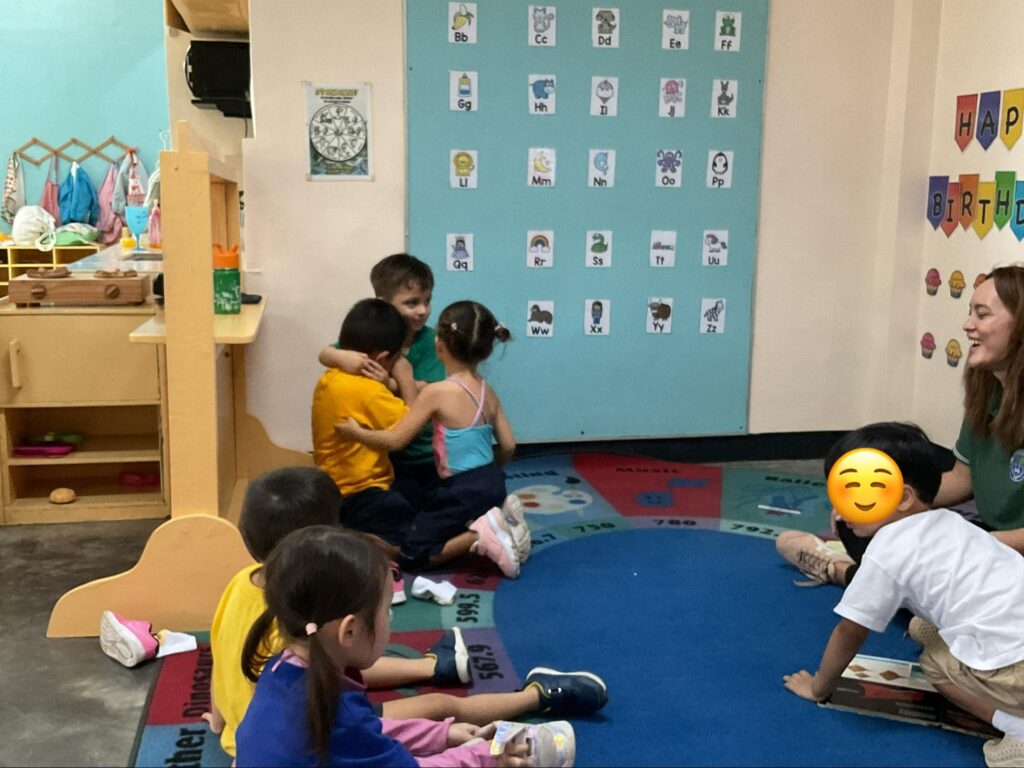 classmates and teachers. Doing this made them become more aware of how caring and compassionate they are.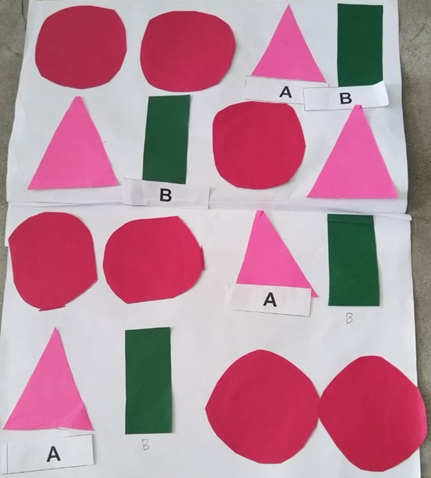


 how their learning went that day. Be sure you provide supportive comments with any feedback to ensure you create a safe environment that will encourage them to share with you what they are learning.
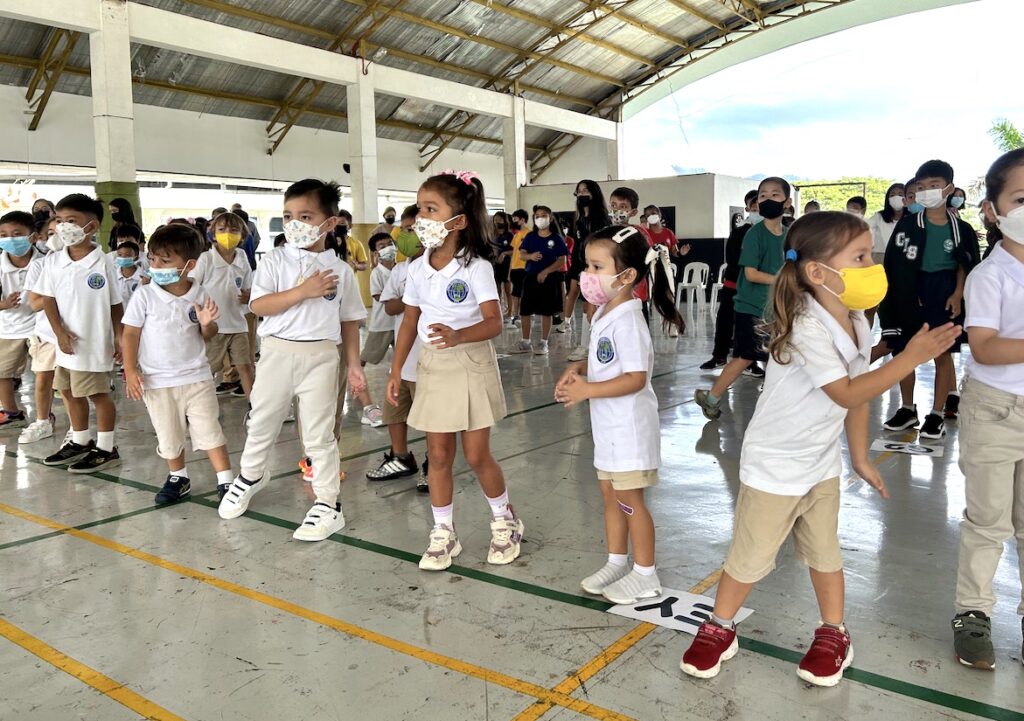
 meet so many amazing members of our school community this year. CIS kicked off the first day with this year’s first student-led assembly. The MHS Executive Council organized a great event with games, songs, and speeches, involving the little ones all the way up to the not so little ones. I was very impressed that even on the first day, our student leaders made it their mission to make sure that everyone was involved. I believe in the idea that leaders do not create followers but instead, create more leaders. I encourage our families that if leadership opportunities arise this year, encourage your child to get involved. There are so many ways that students can contribute and it also helps them grow and develop into the next generation of leaders shaping our future world!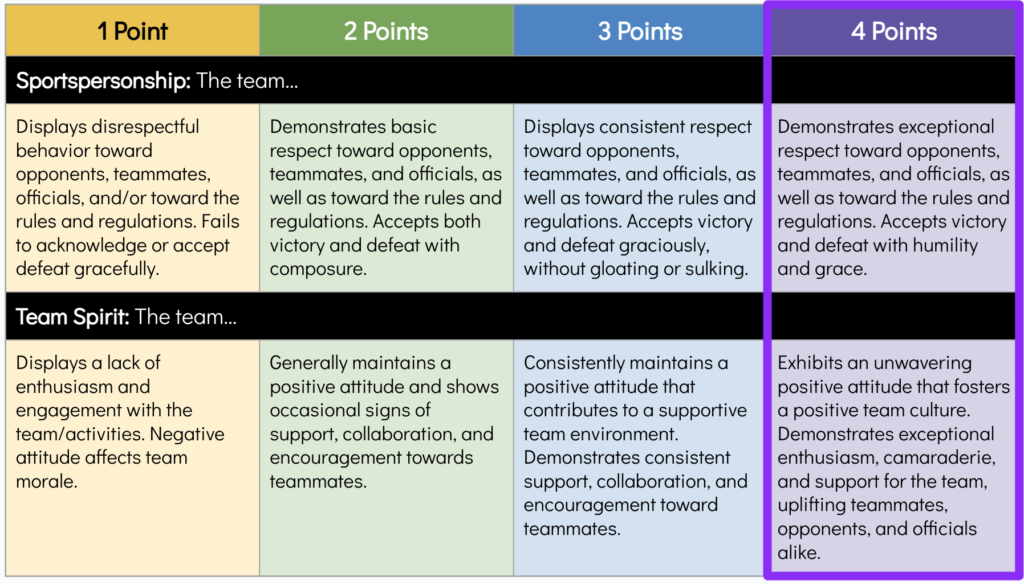


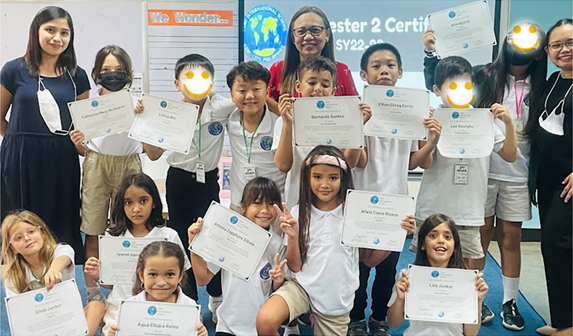 while all of our grade levels performed at our final assembly of the year.
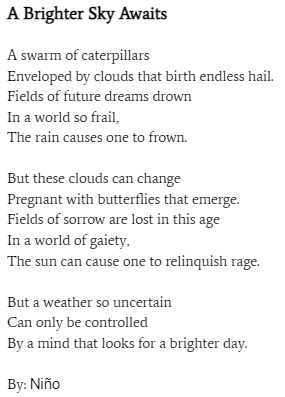
 This semester, the Grade 8 Language and Literature class embarked their youthful minds on an extraordinary journey through the realm of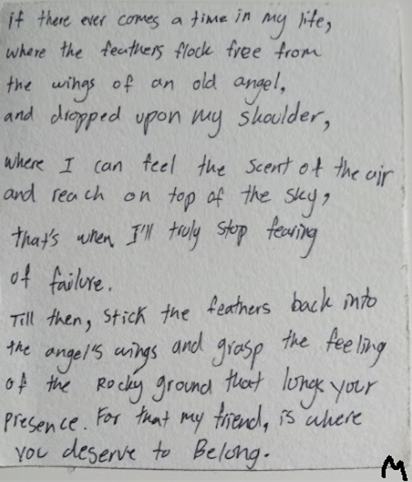
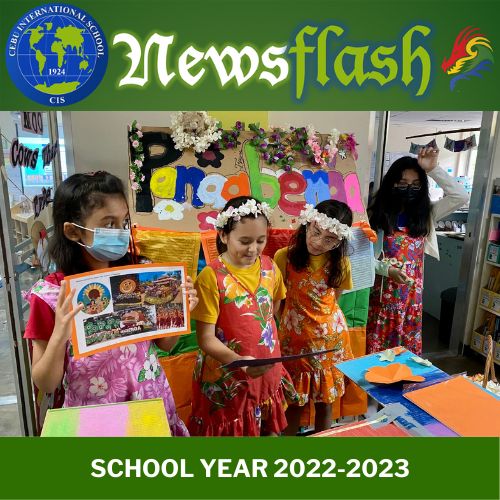
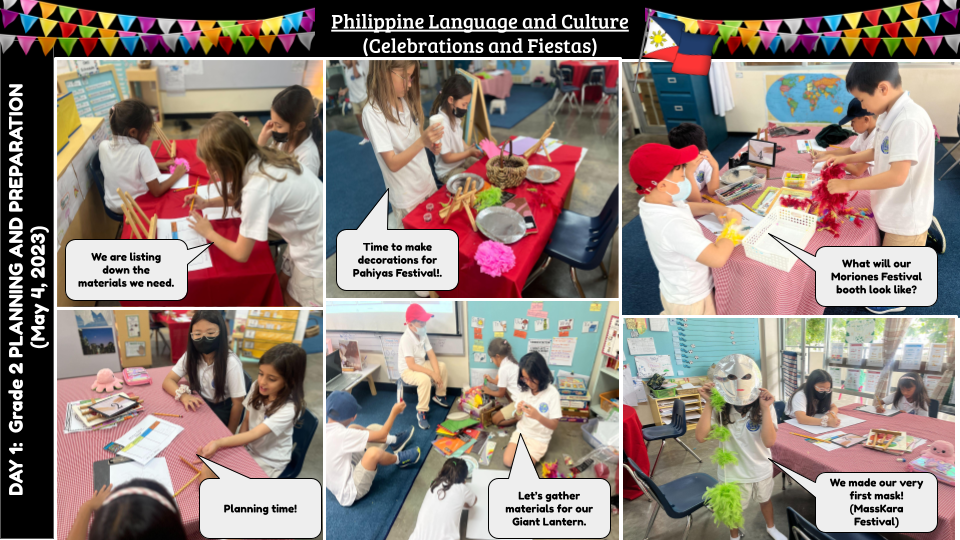
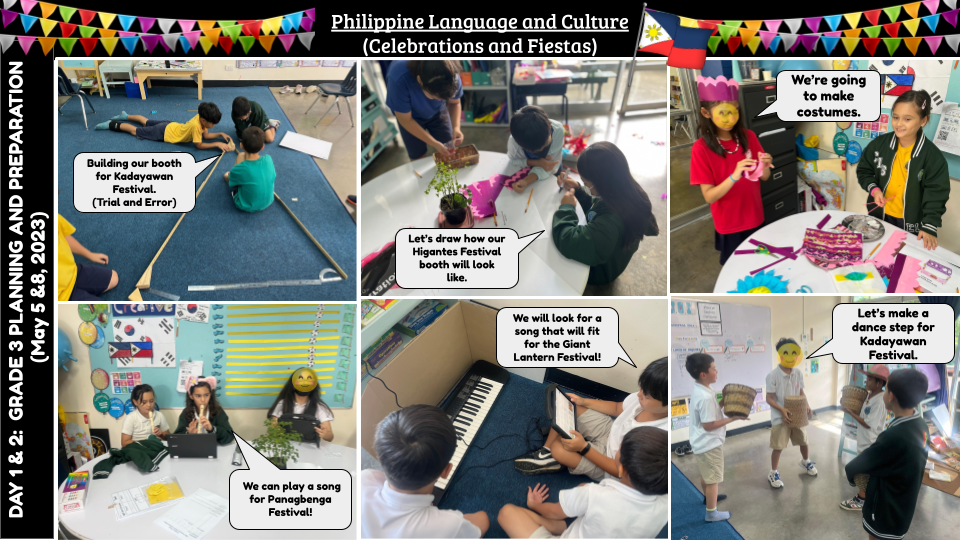
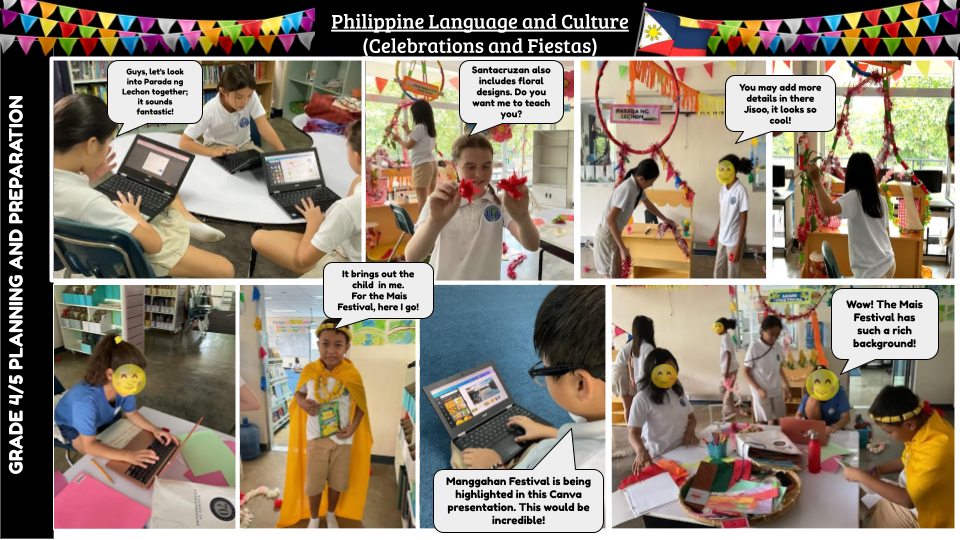
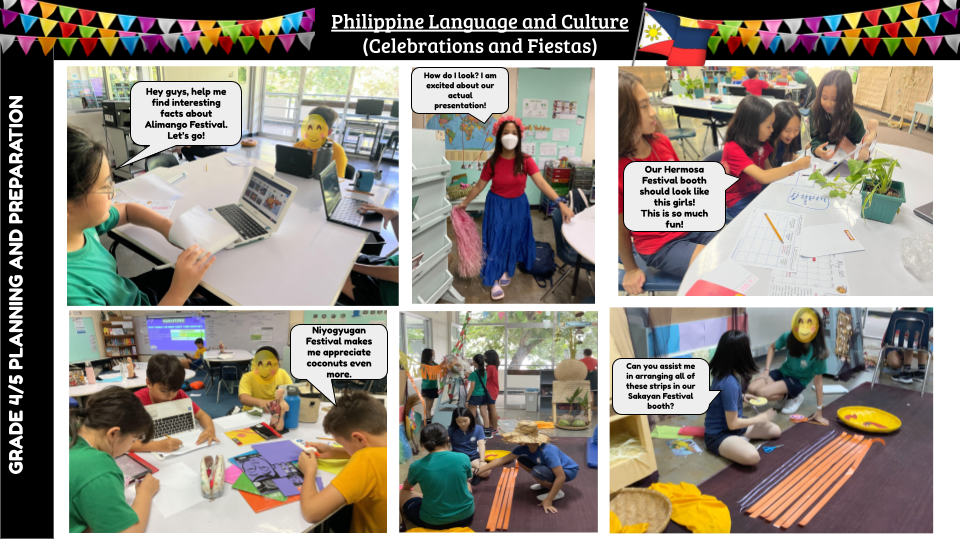
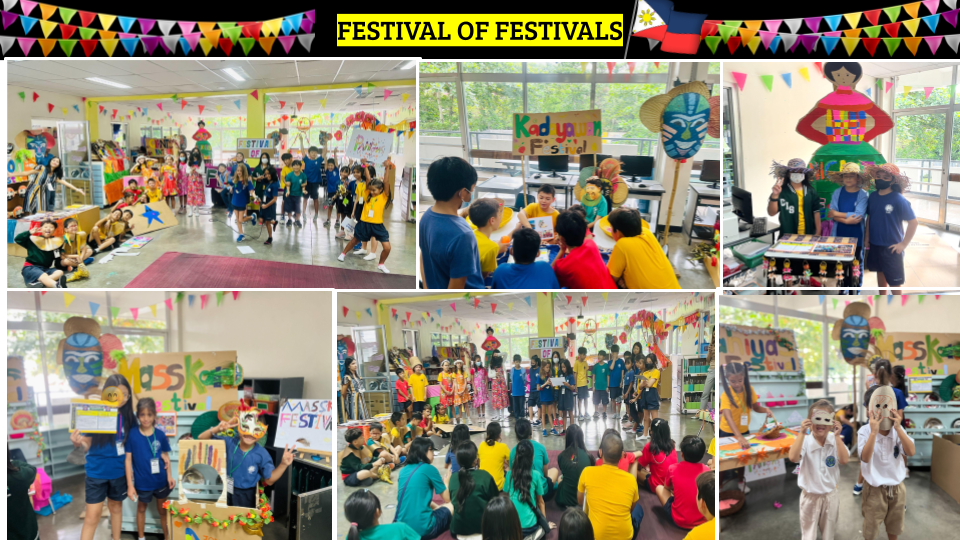
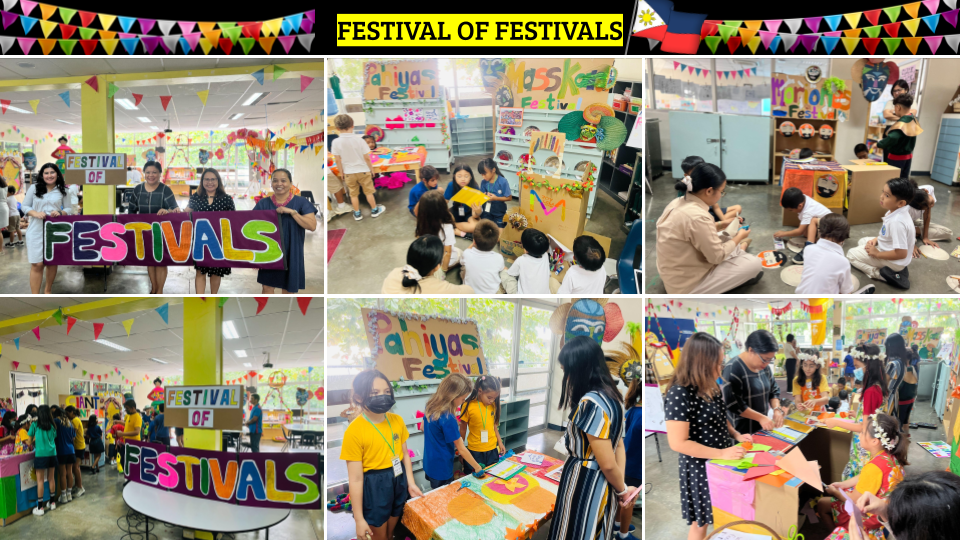
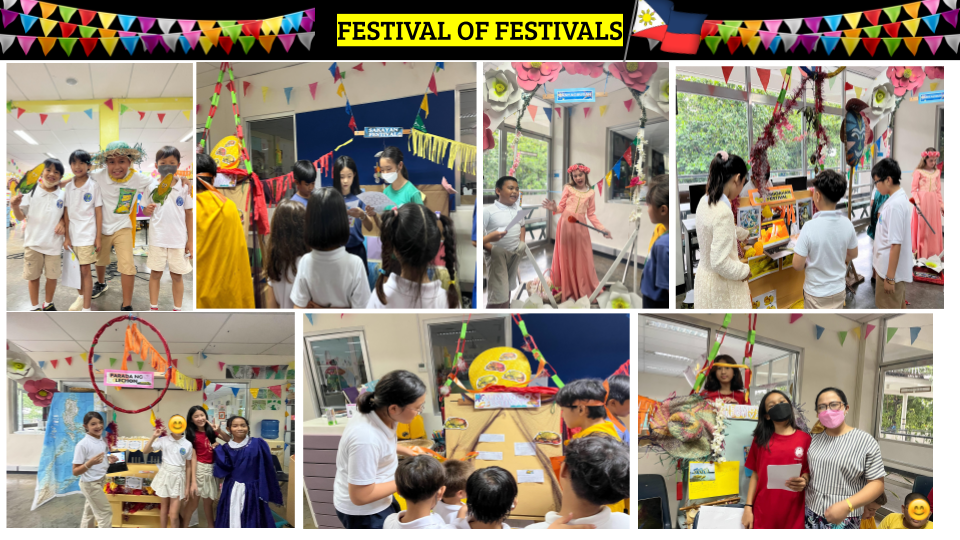
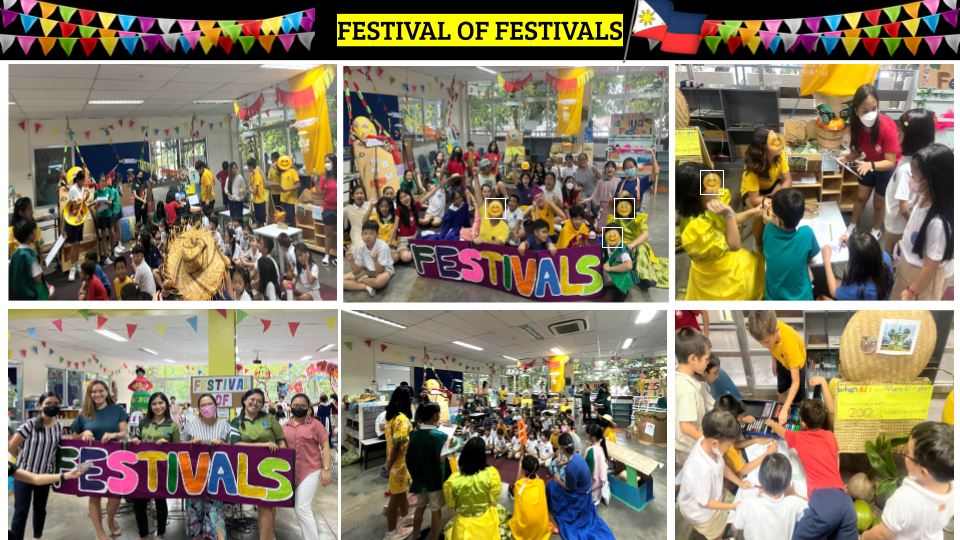
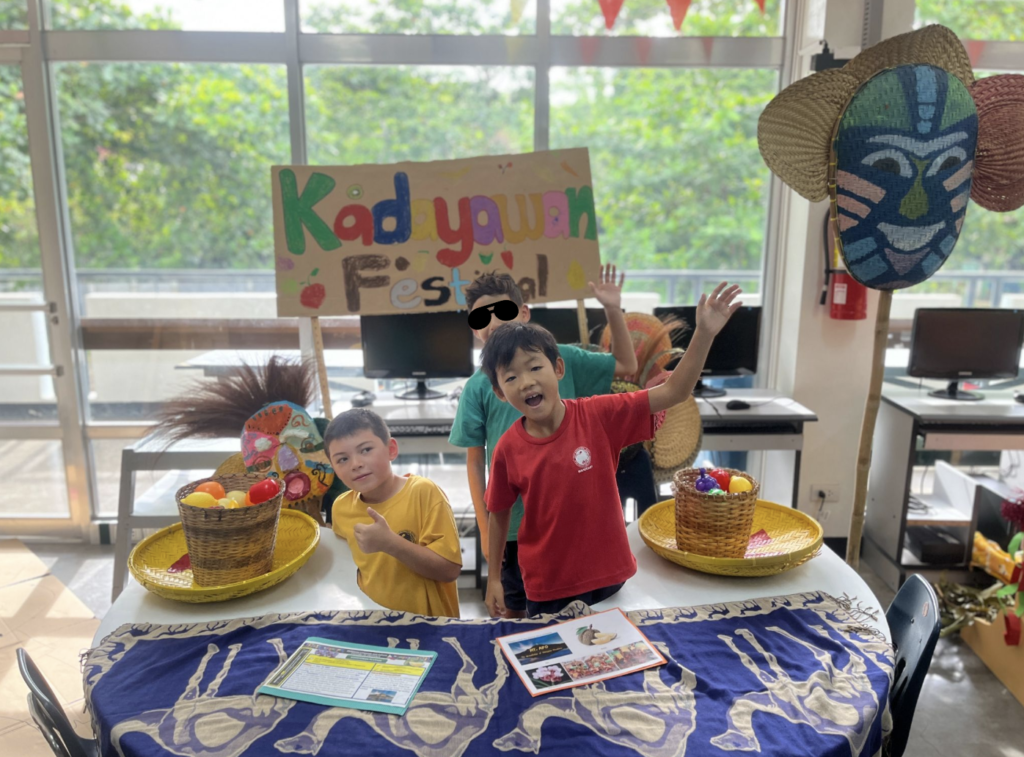
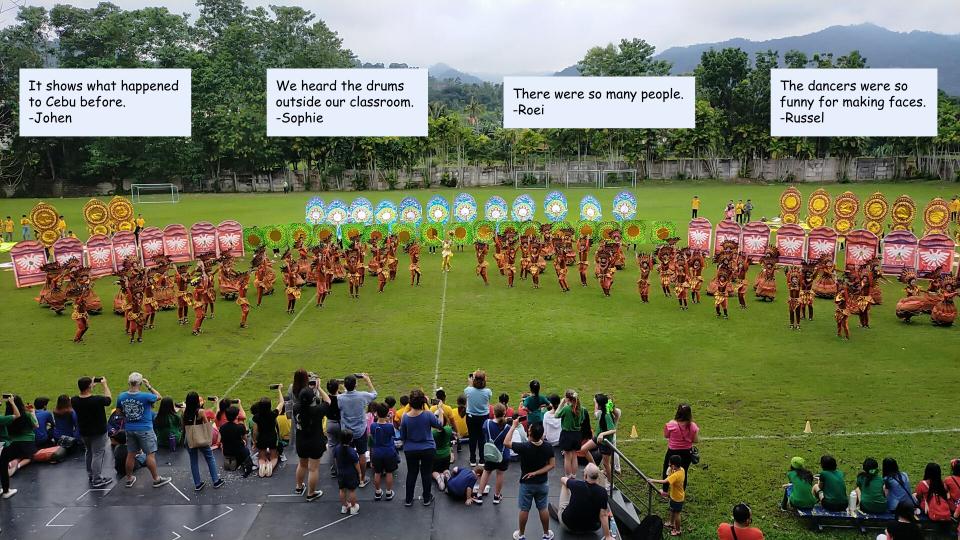
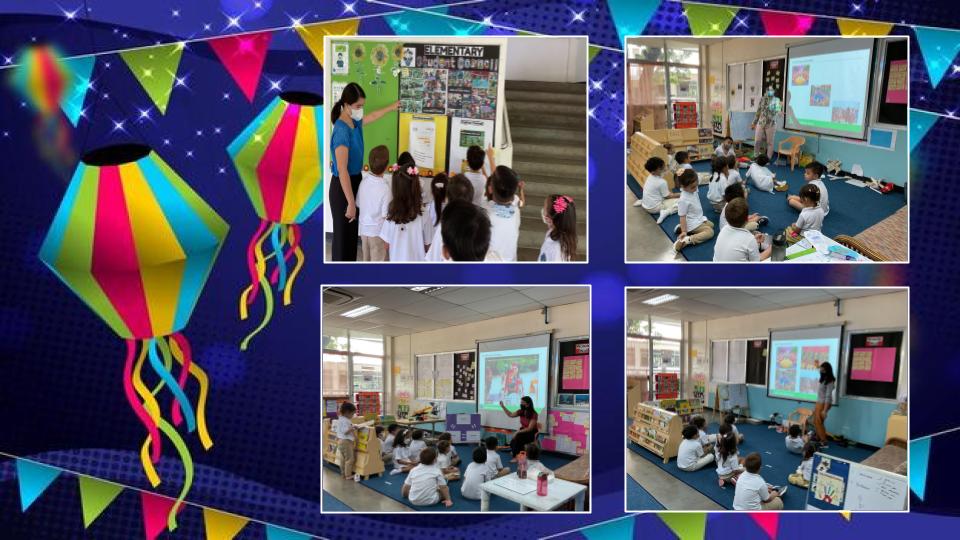
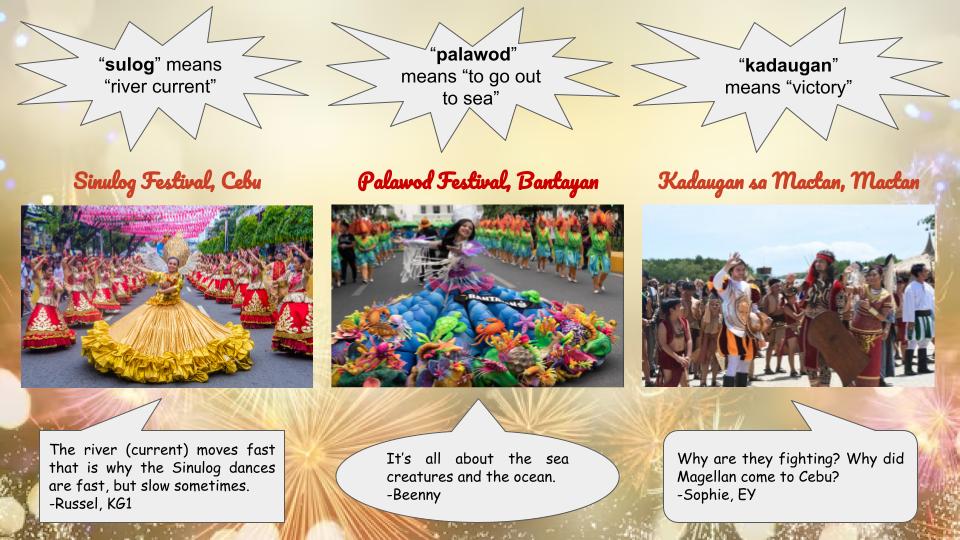
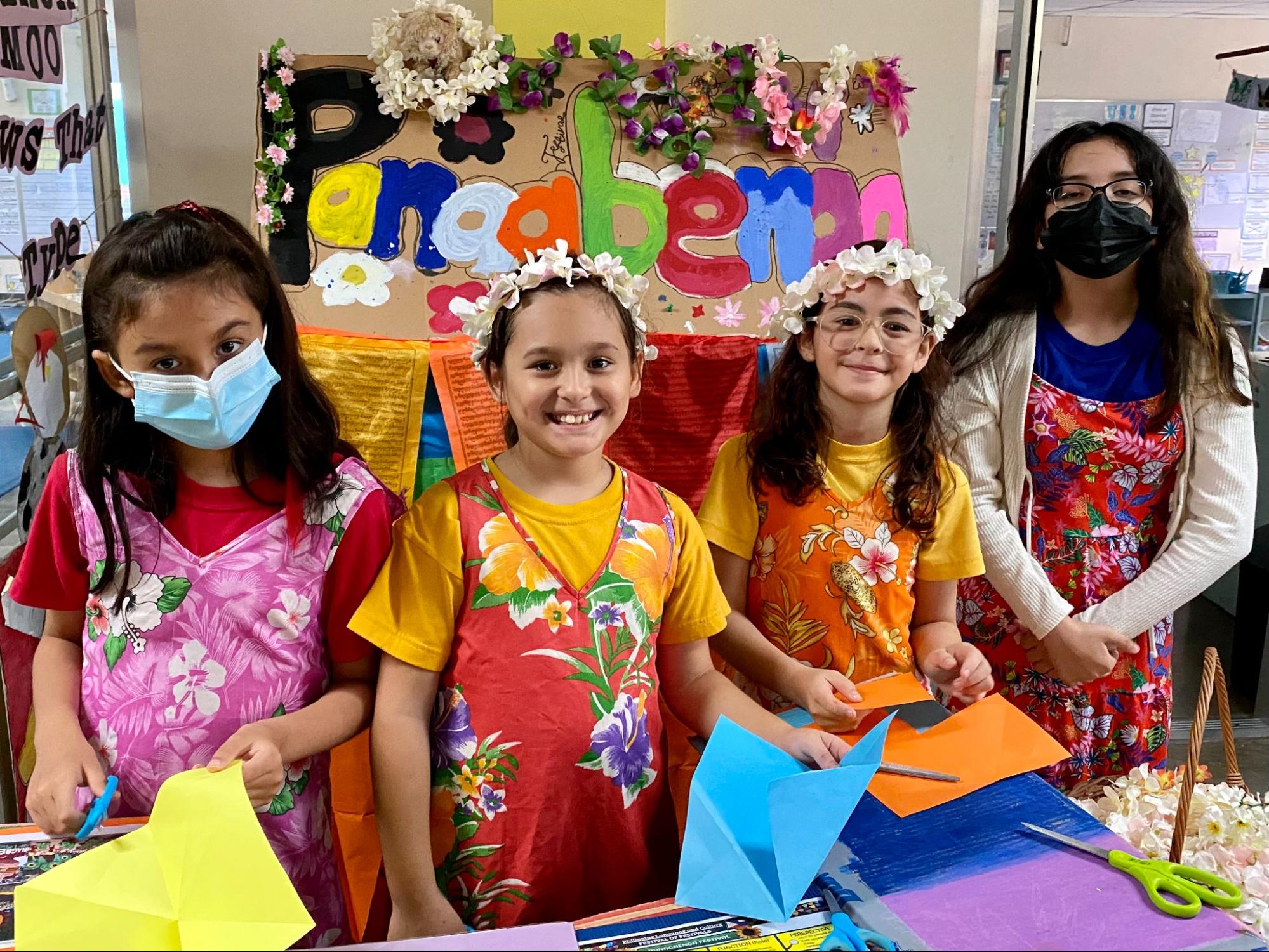 It is wonderful to see the evidence of learning in so many ways throughout the school, as the various grades demonstrate what they have learned in their recent units. These vary in style, from essays and end-of-year exams in G11, to writing, tests, projects, dramas, presentations, etcetera in G6-10, to projects, presentations, demonstrations, and celebrations of learning (as in the Philippine Language and Culture (PLC) “Festival of Festivals” shown in the picture) in the elementary school.
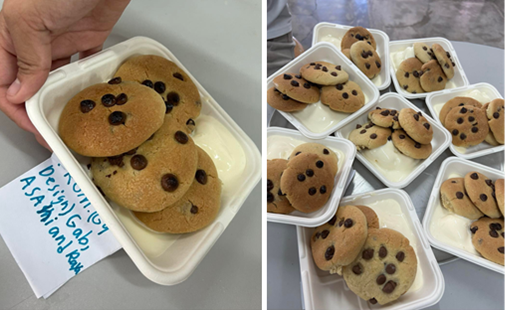
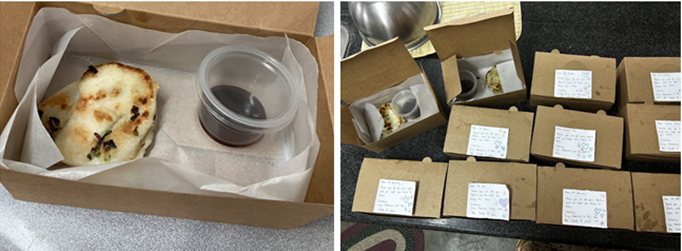
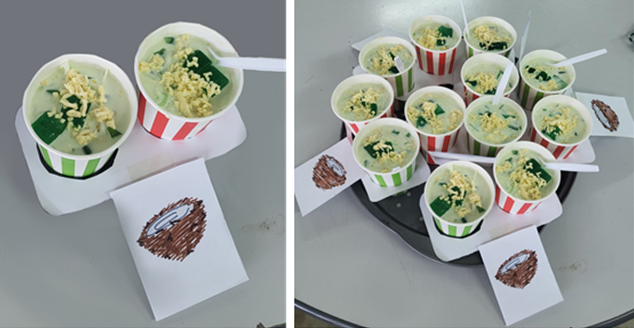
 The Early Years 2 and 3 game designers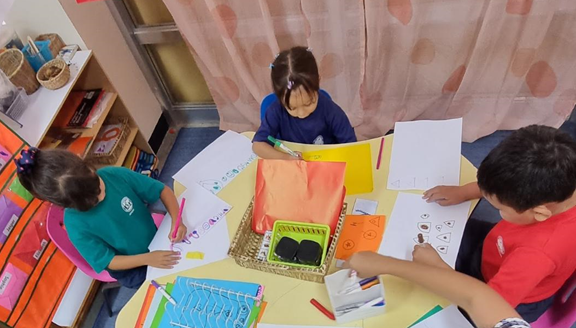
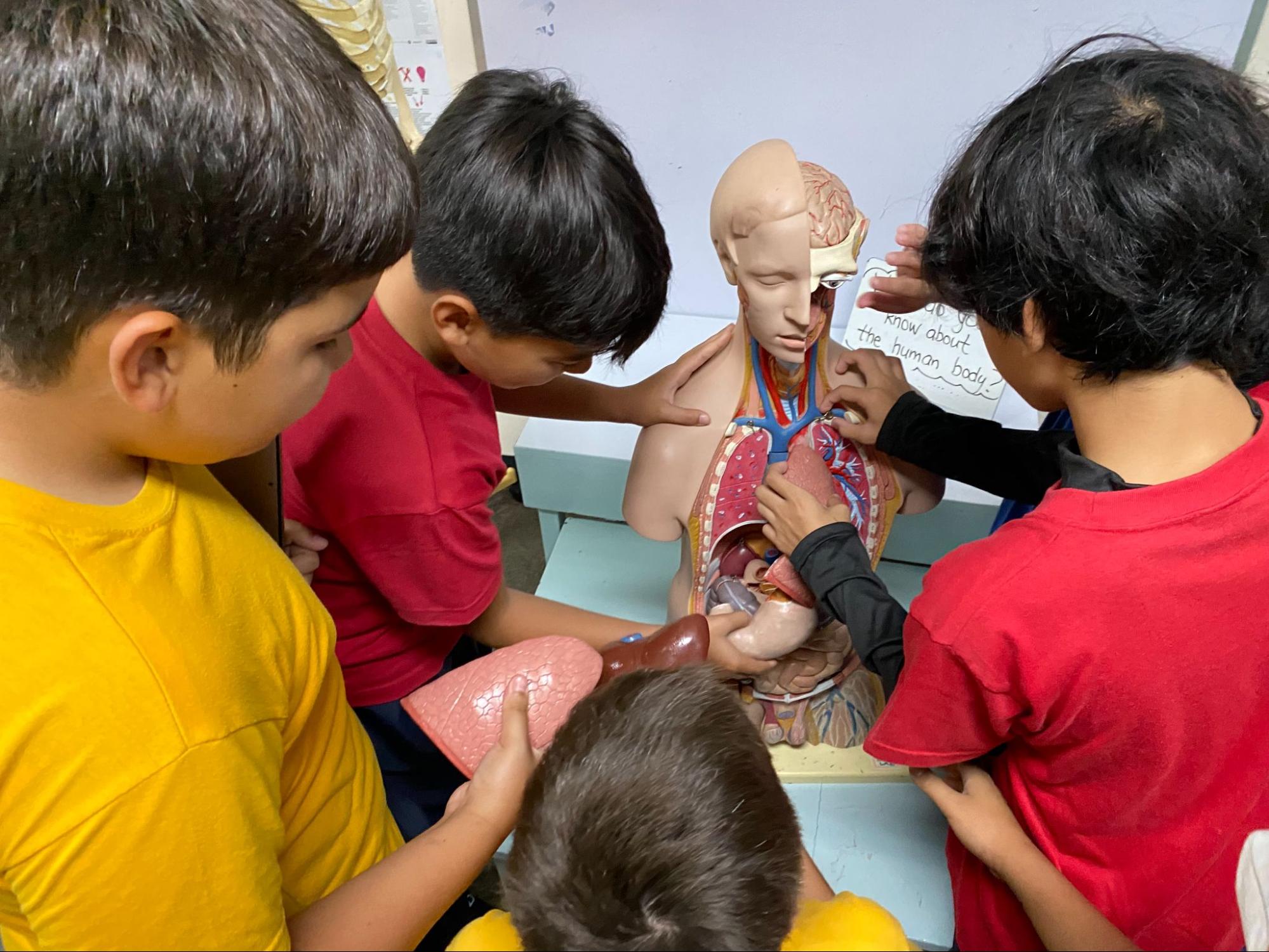 they might encounter as a result of the physical, social/emotional, and intellectual changes as they grow. As they create plans to help each other to make safe and healthy choices and respond to challenges that they will encounter moving up to middle school, they demonstrate empathy and care and learn to advocate for their rights and needs.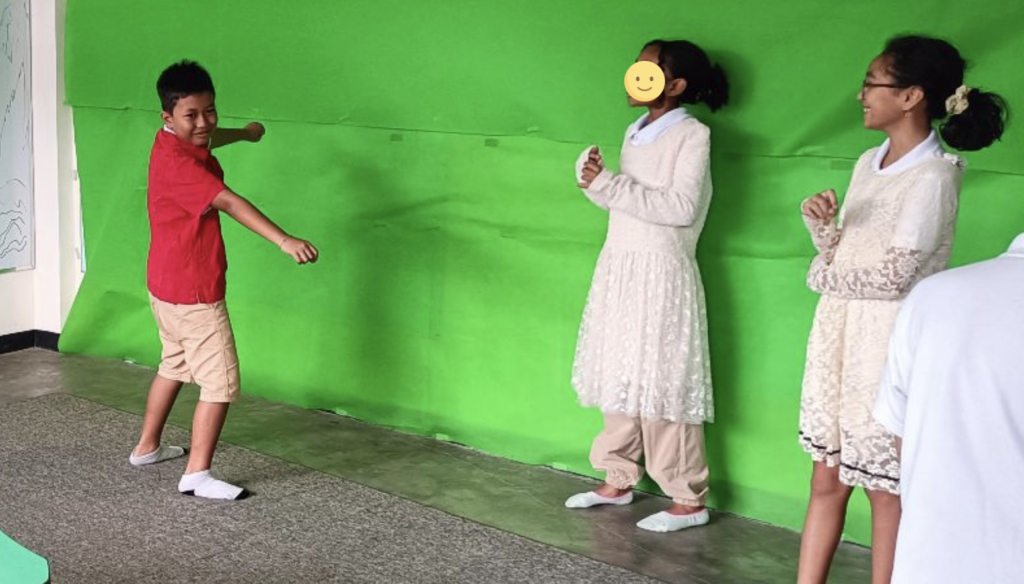
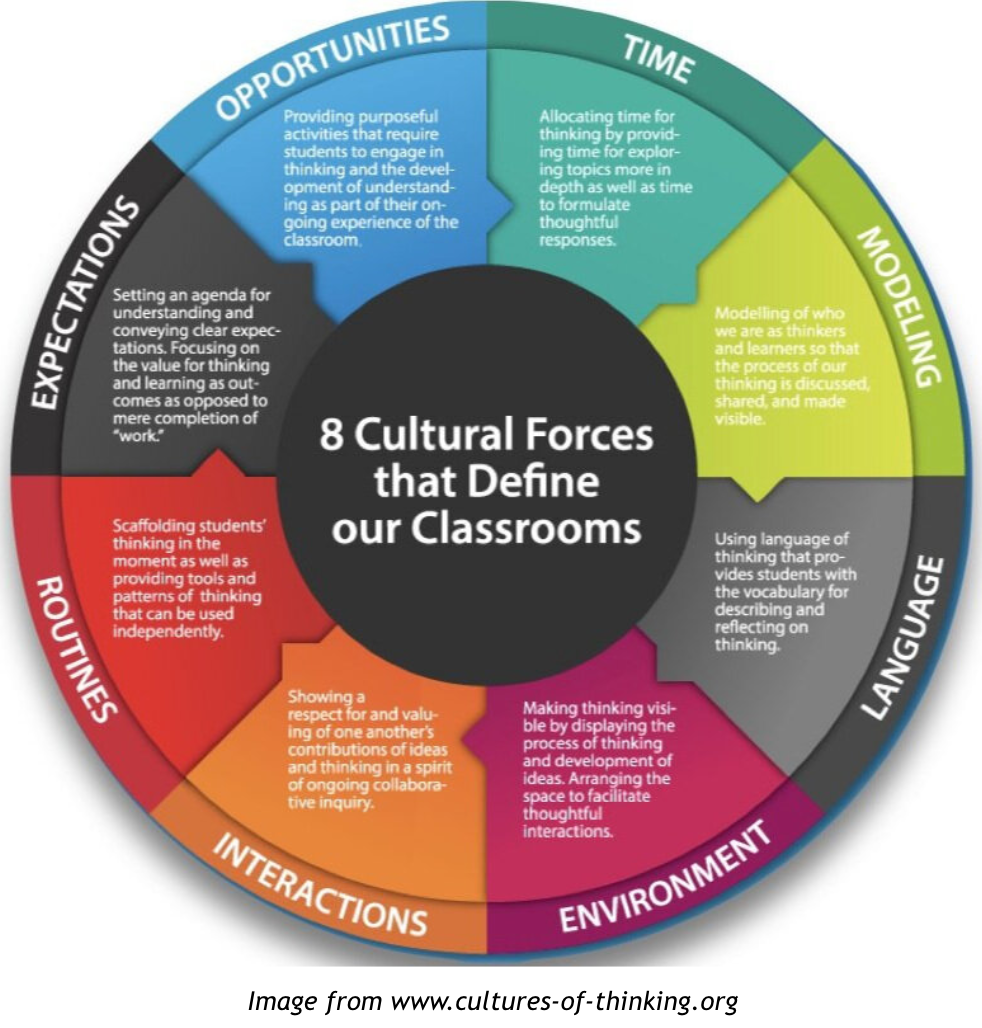 Ritchhart, a senior research associate at Harvard Project Zero, has identified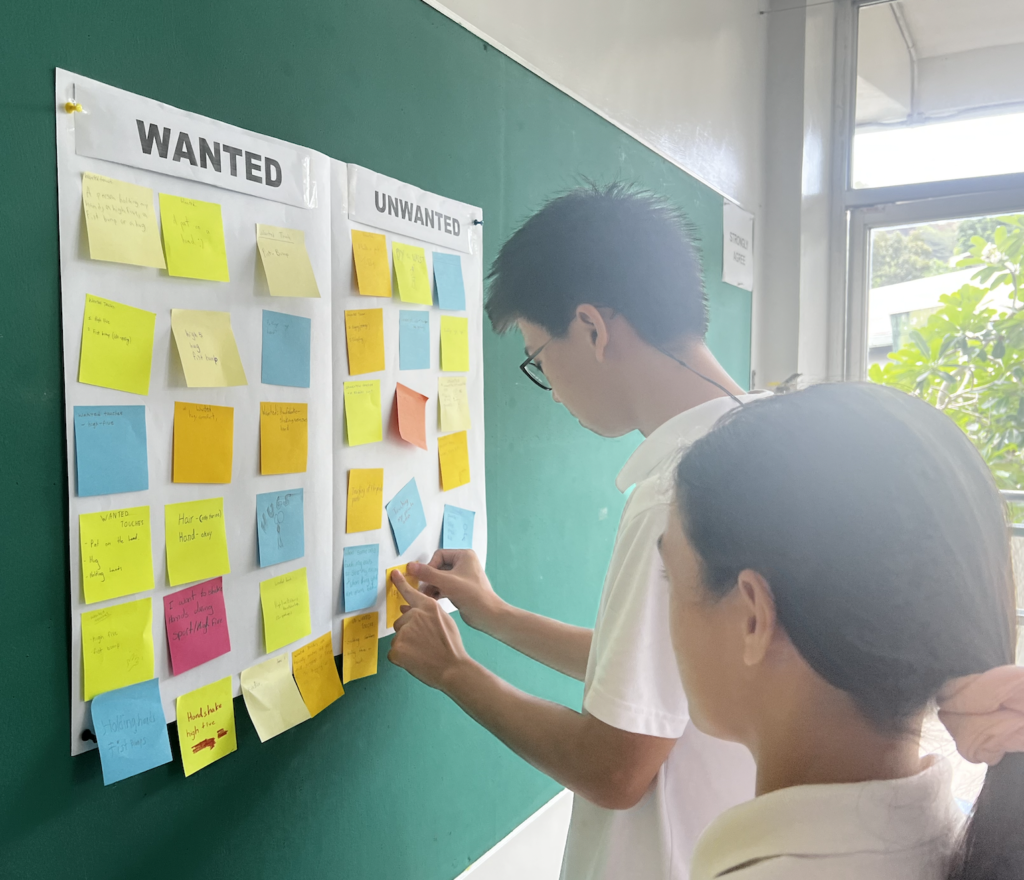
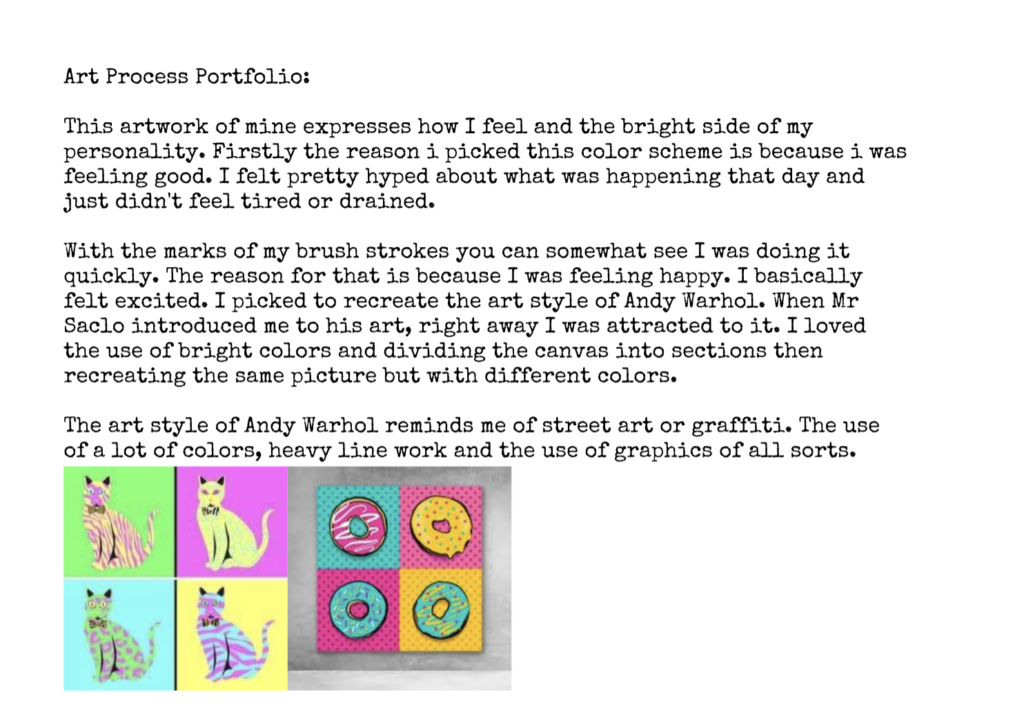
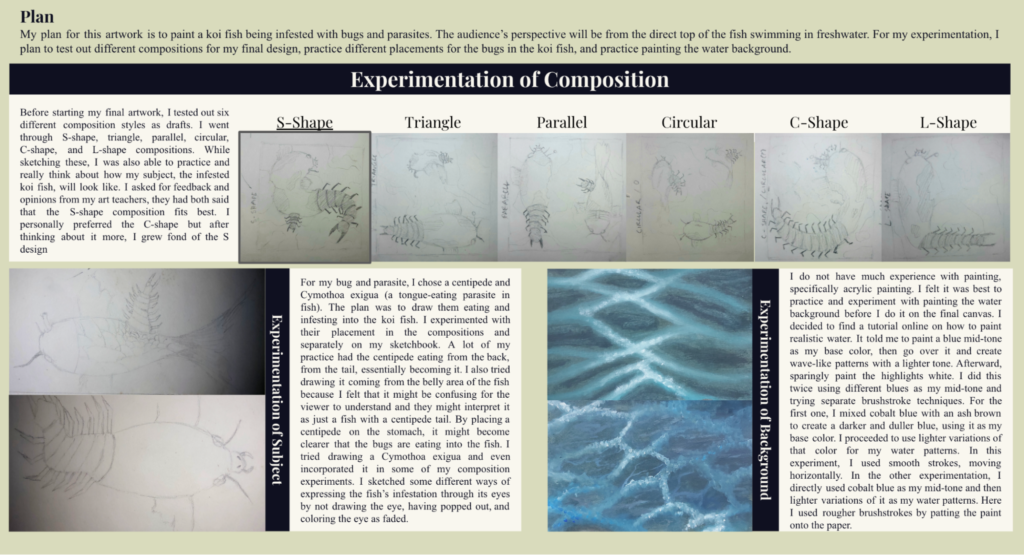
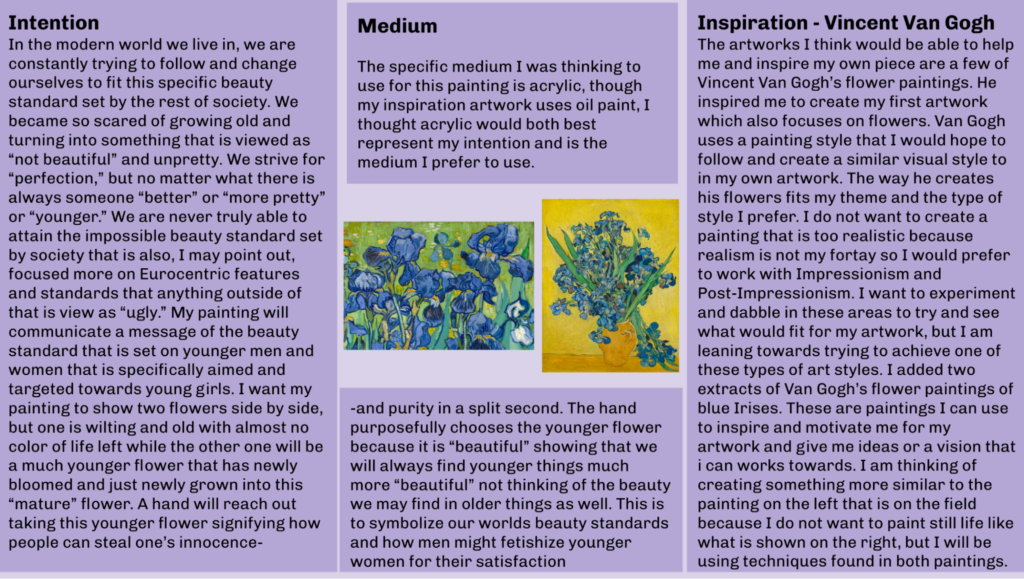
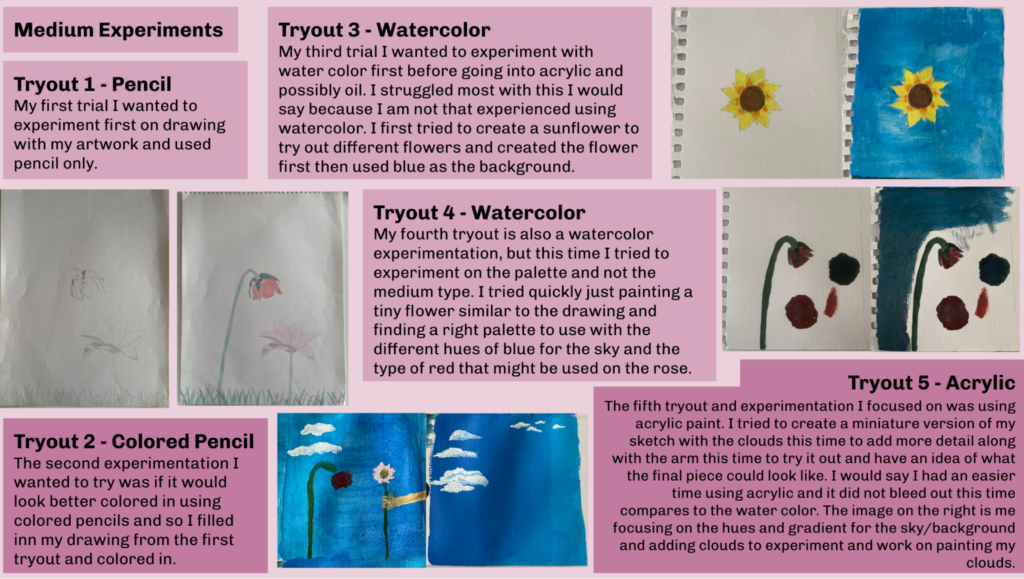

 different emphasis, namely narrative, descriptive, explanatory, and now in quarter 4 the emphasis is on argumentative/persuasive writing.
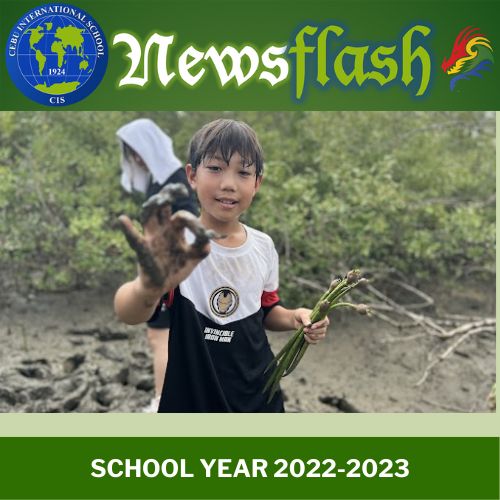
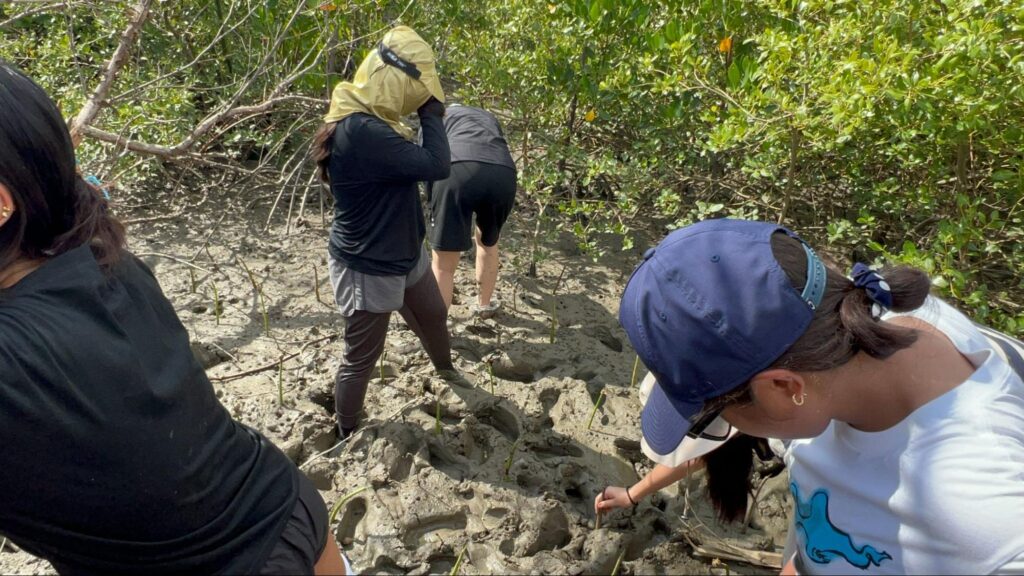
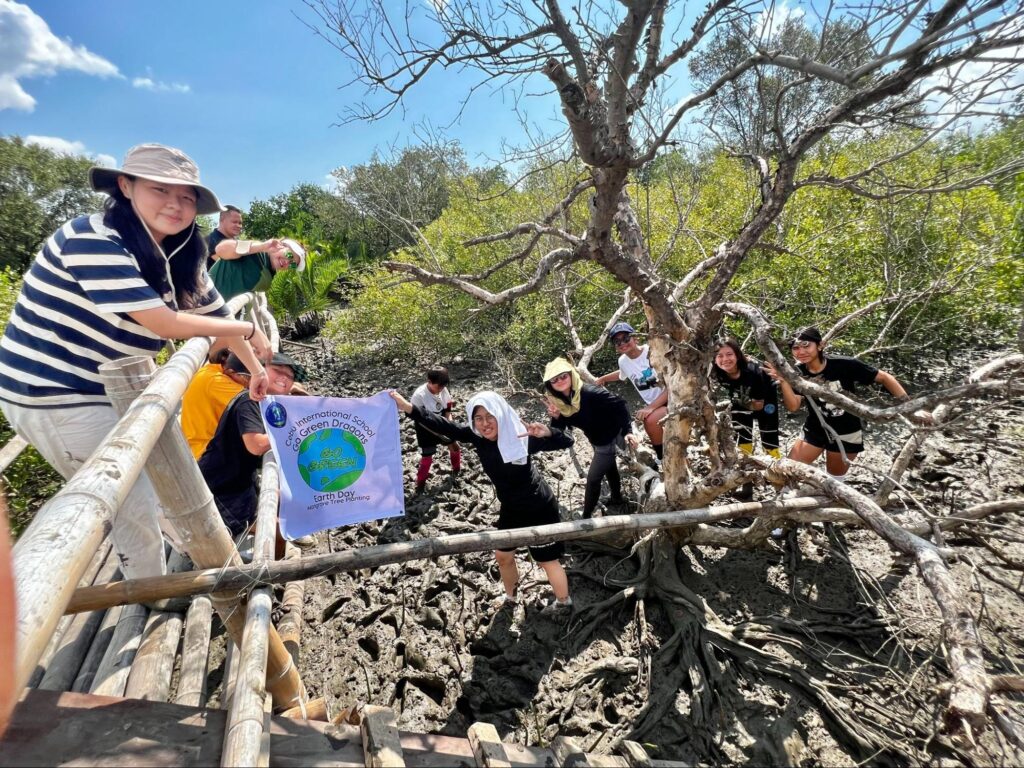
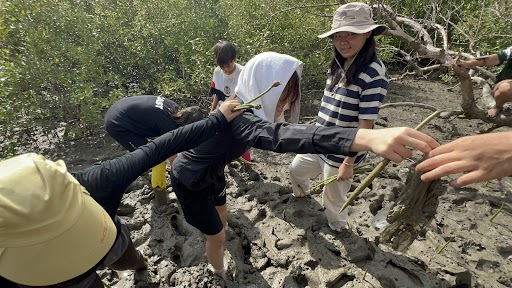
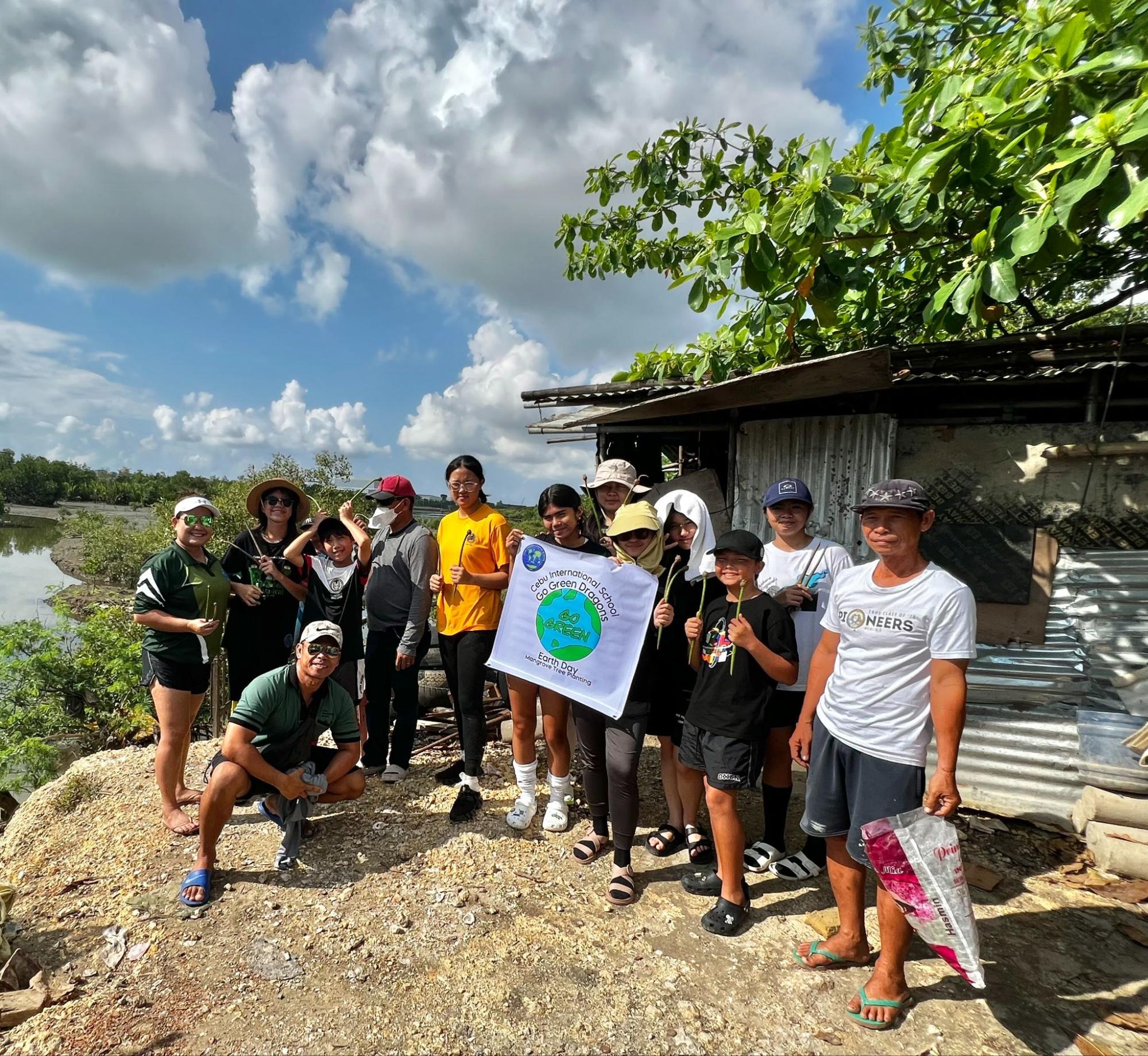 As an extension to their After School Activity, the Go Green Dragons Environmental Club conducted a mangrove tree planting trip this Saturday, May 13 at Co Jordan Talaba Farm and Fishing. As an environmental club they felt that it was important to reach out to the community and help the surrounding environment. The activity received support from the Mayor’s Office of the Municipality of Mandaue. Students found it a fun morning and a great way to demonstrate their commitment to the environment.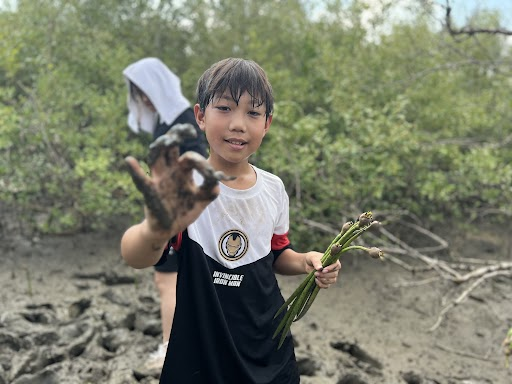

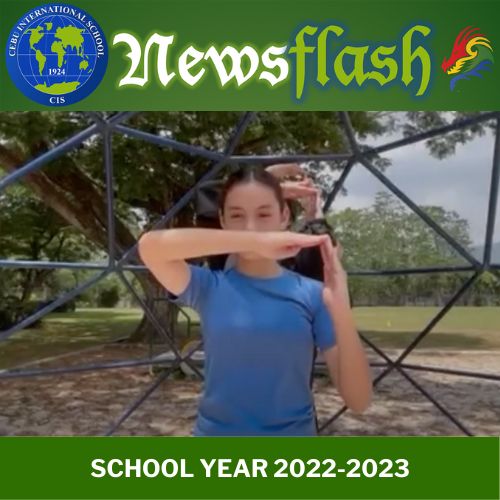
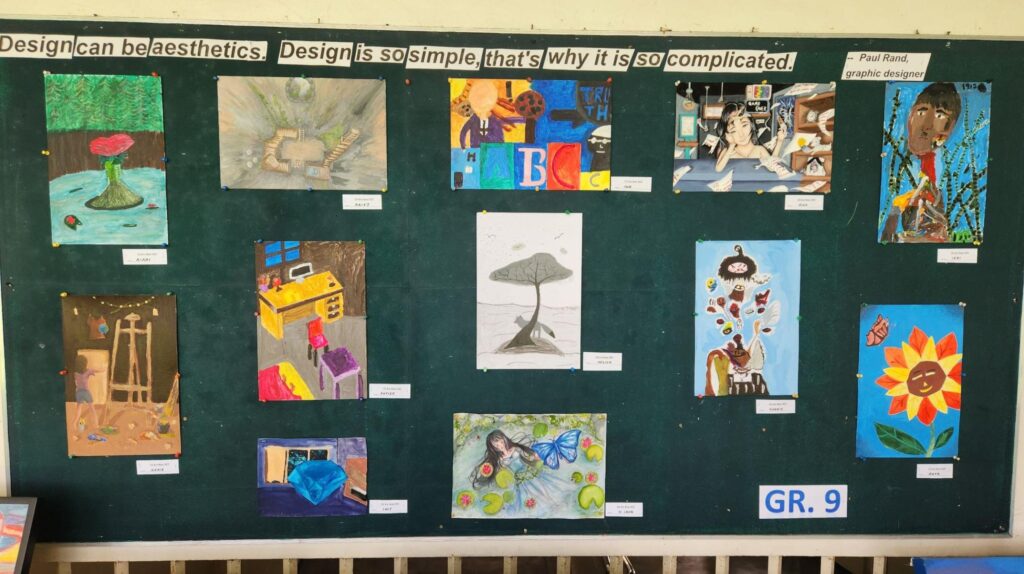
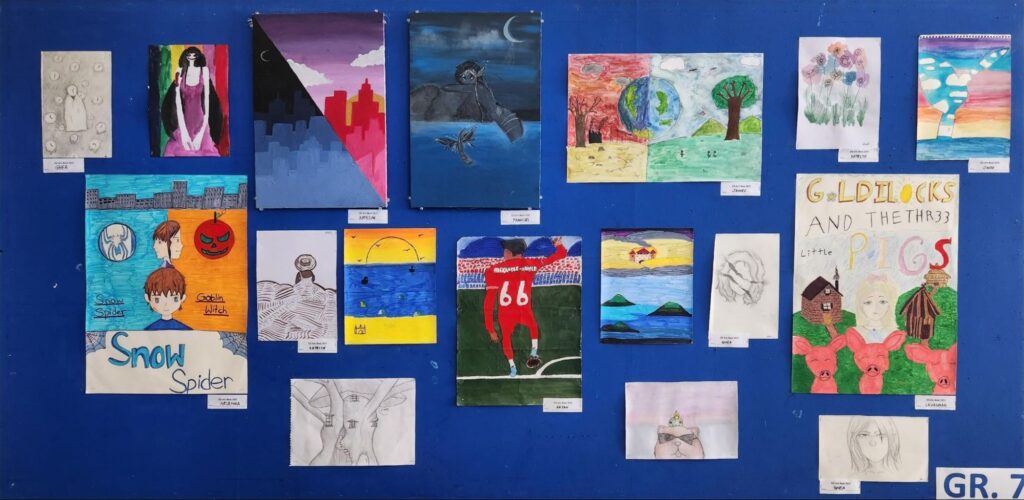
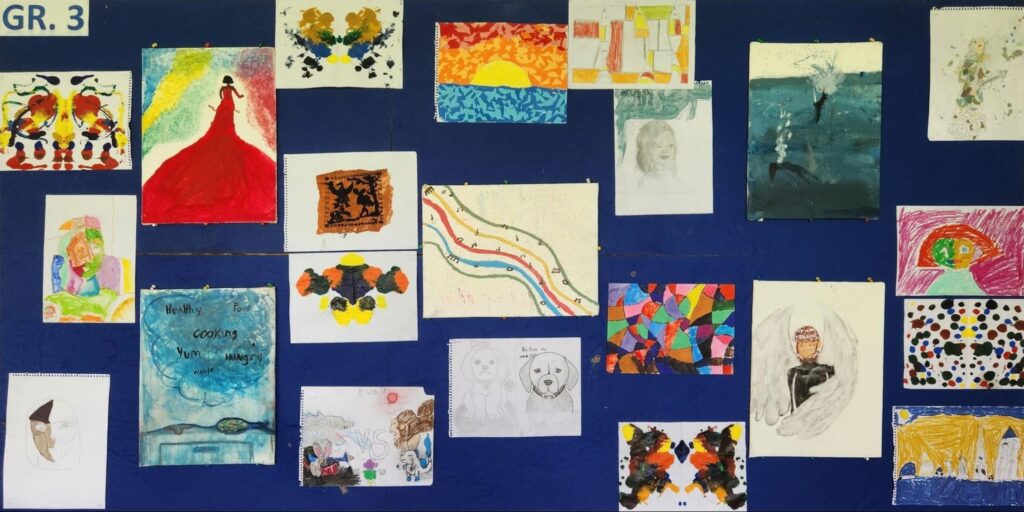
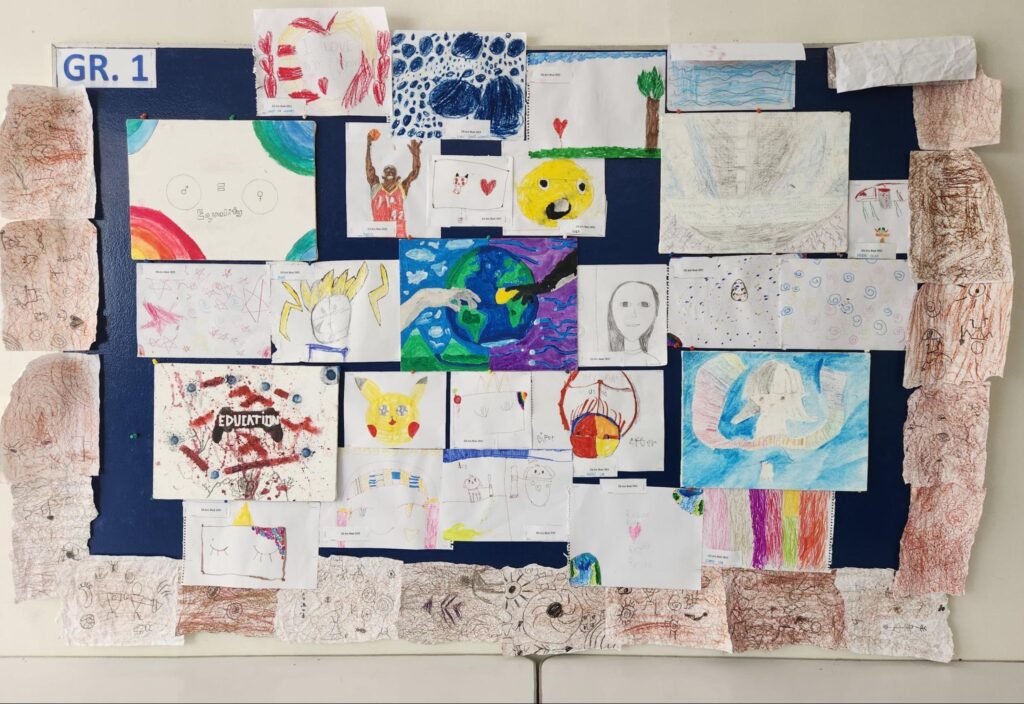
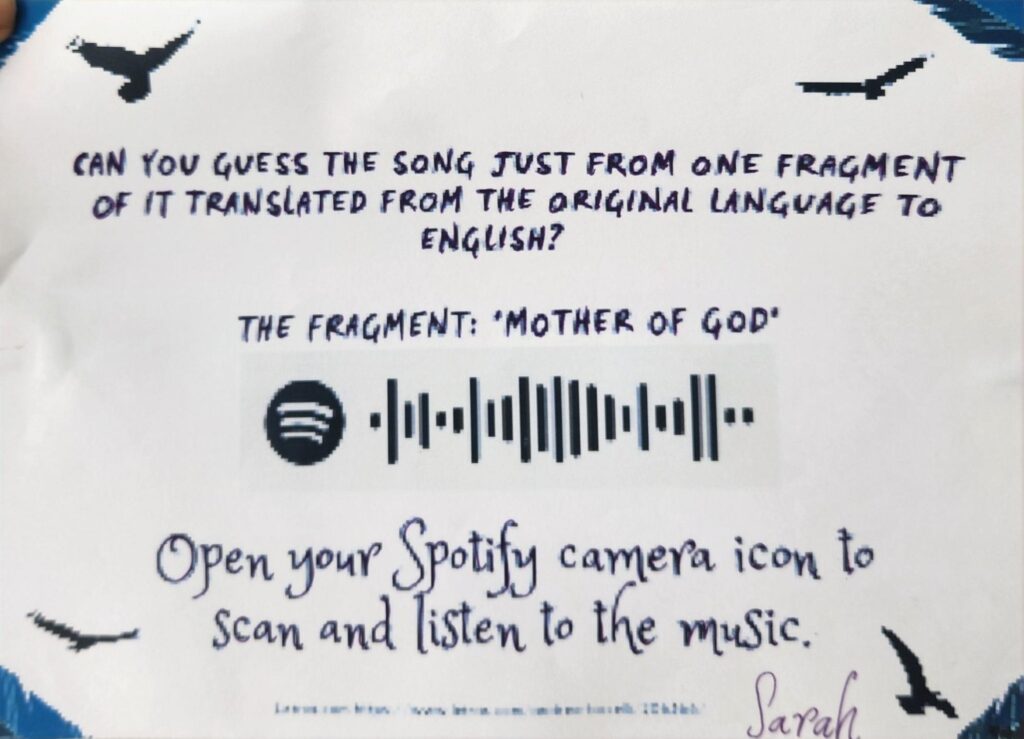
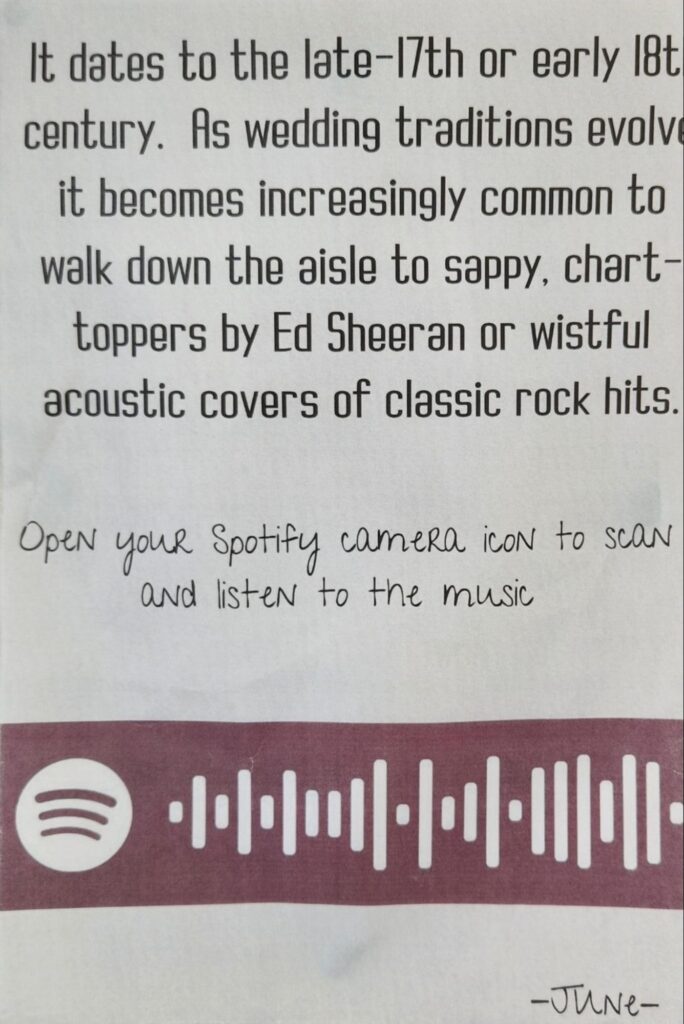
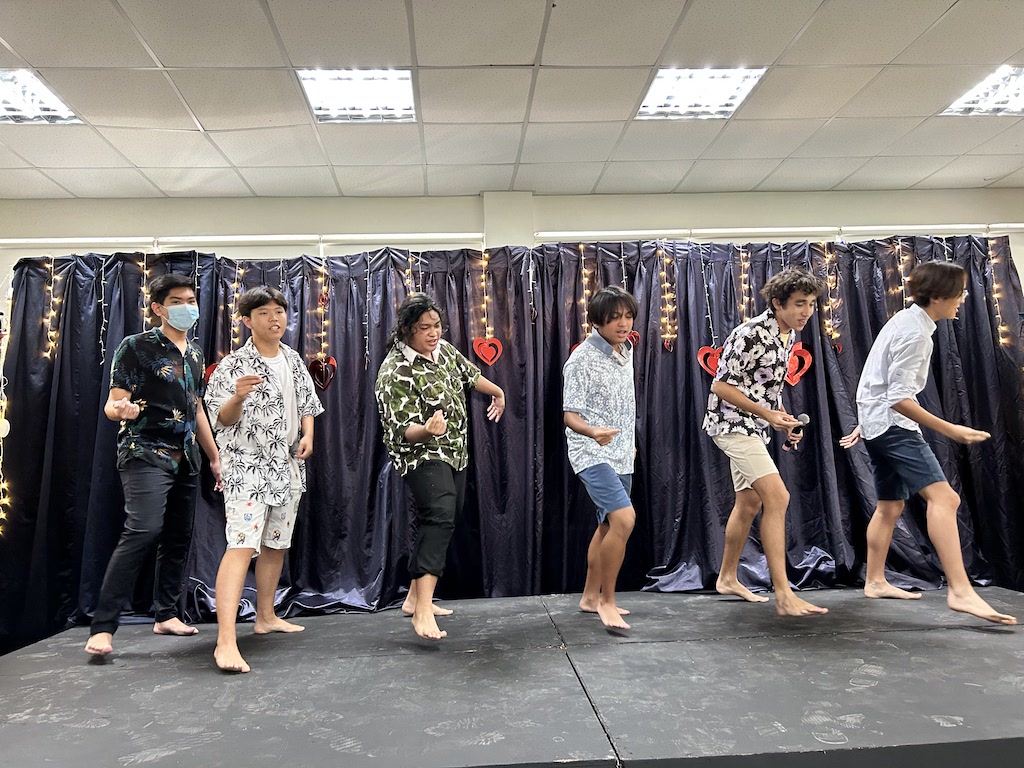 We are blessed with an outstanding group of Visual and Performing Arts teachers at CIS. While the work of the department has featured prominently throughout the year, this week they worked with their students to showcase some of their ongoing projects. This included an Art Exhibit, interactive posters with QR codes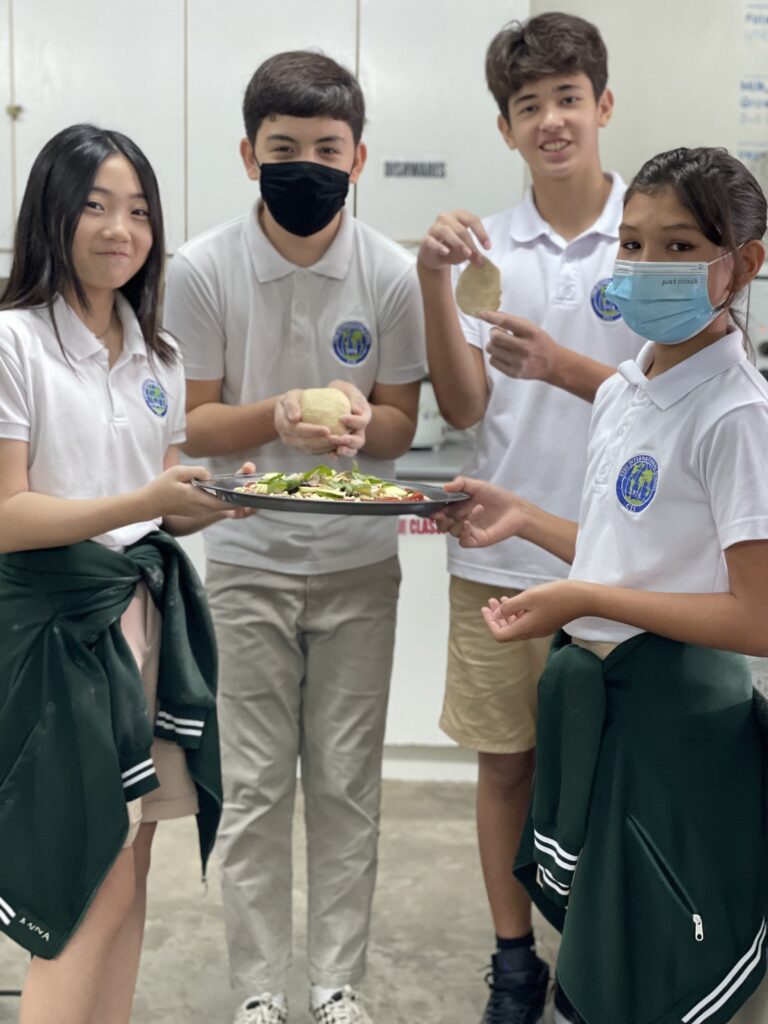
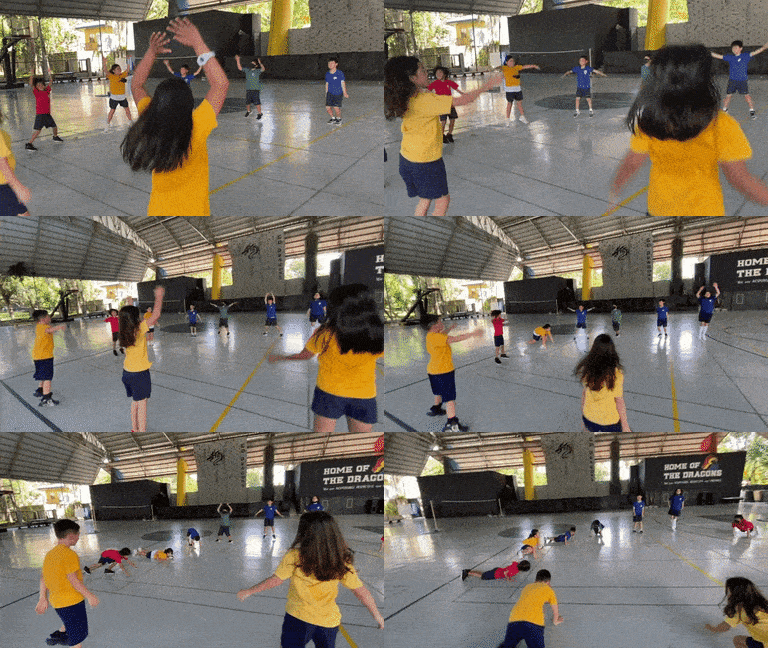
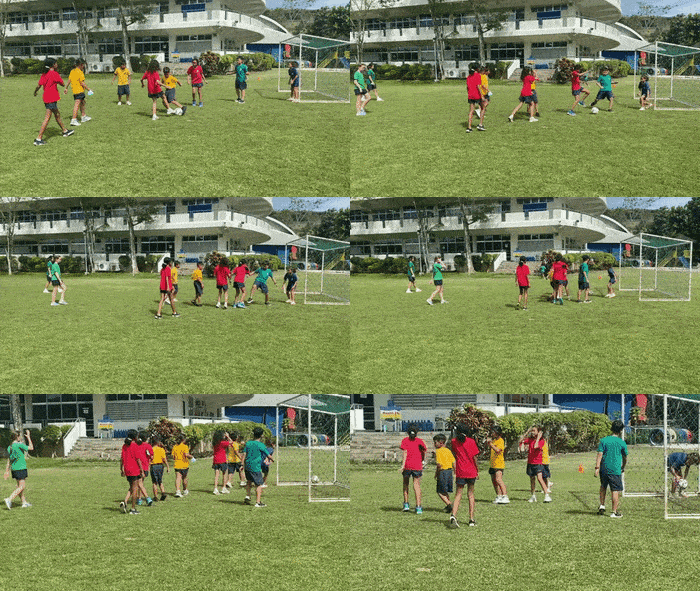
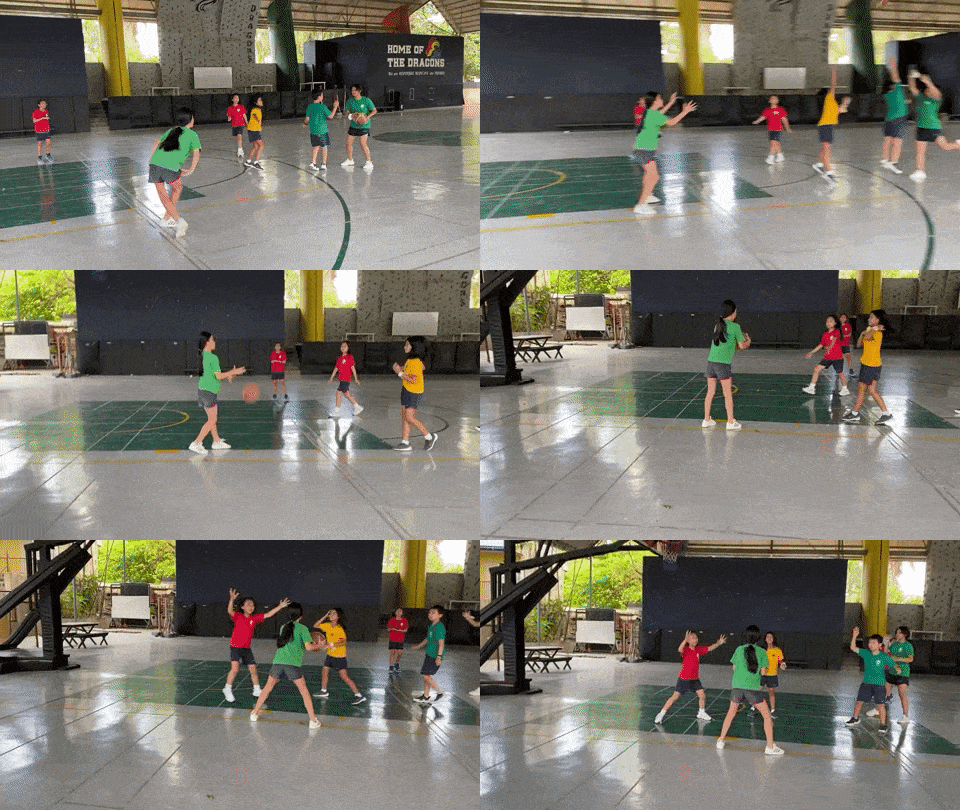
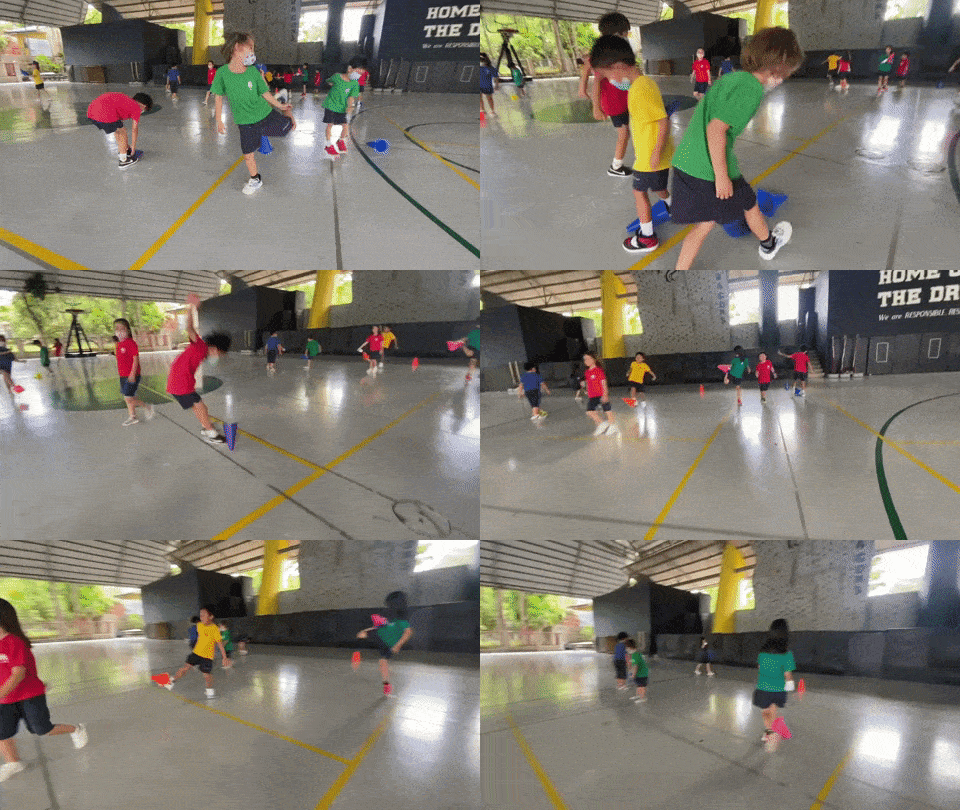
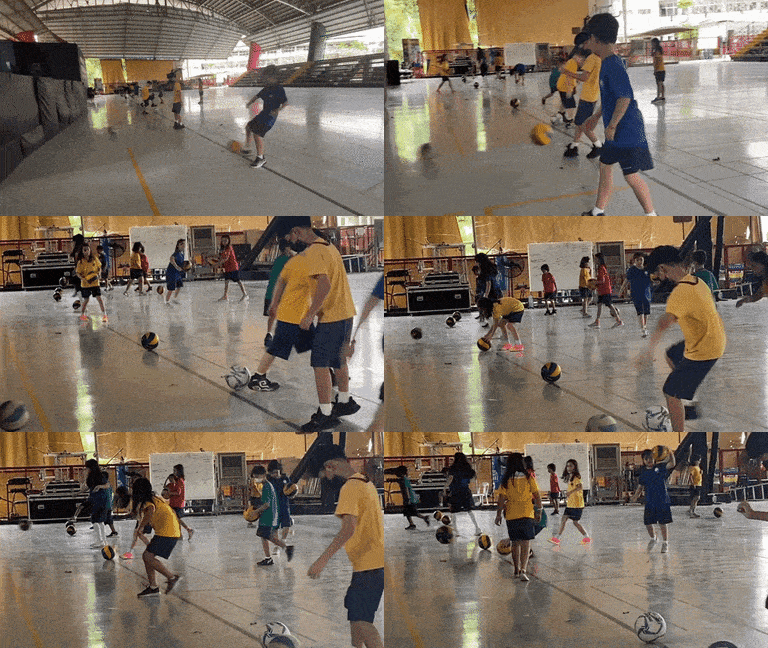
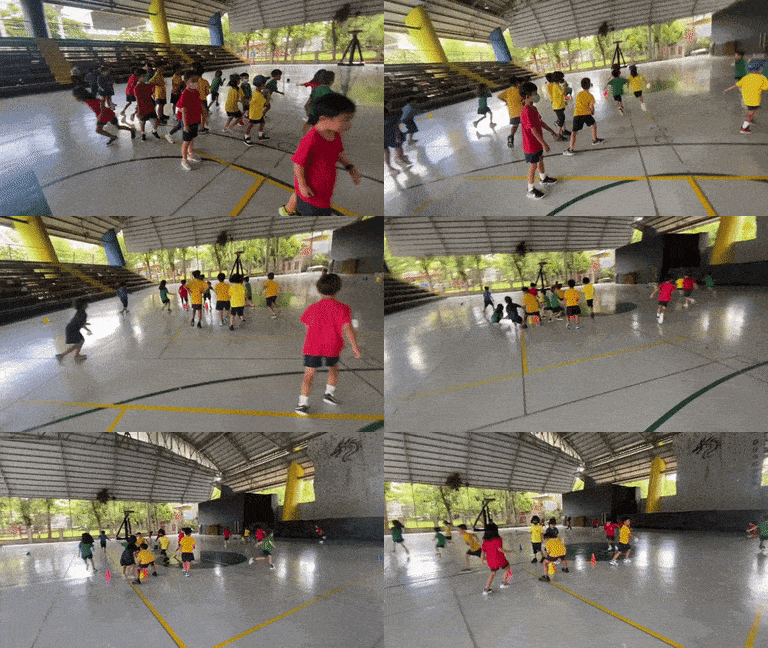
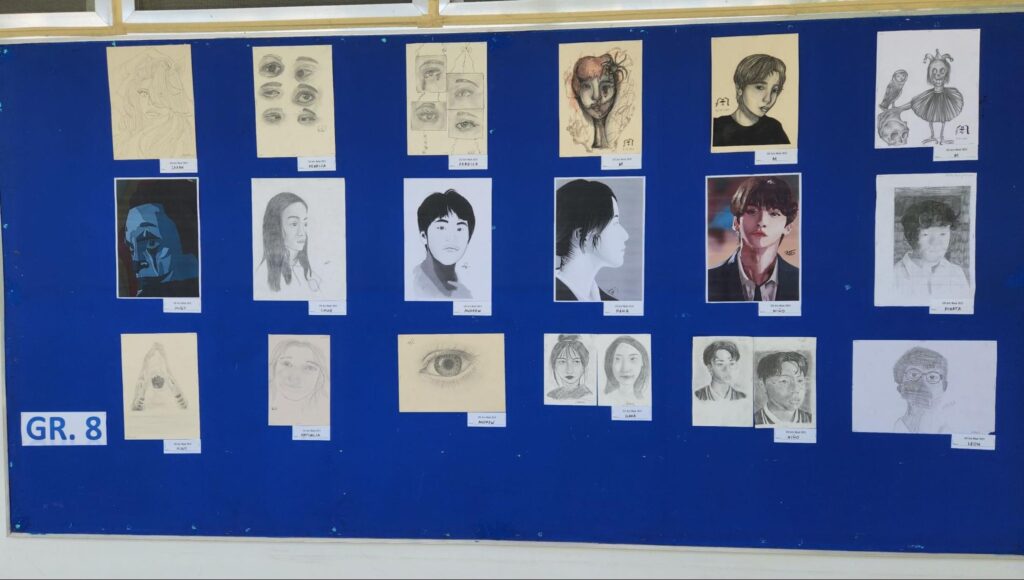
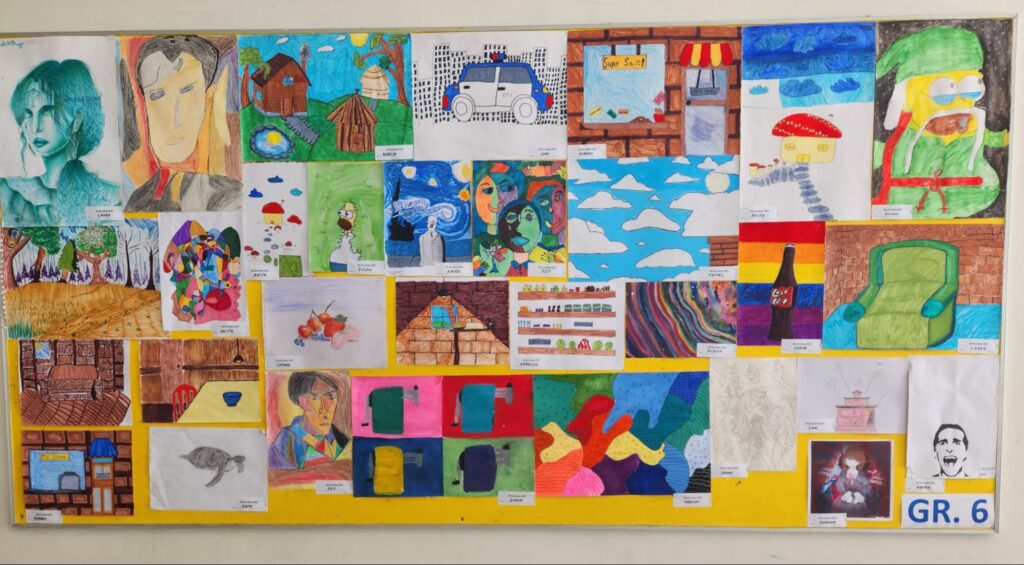
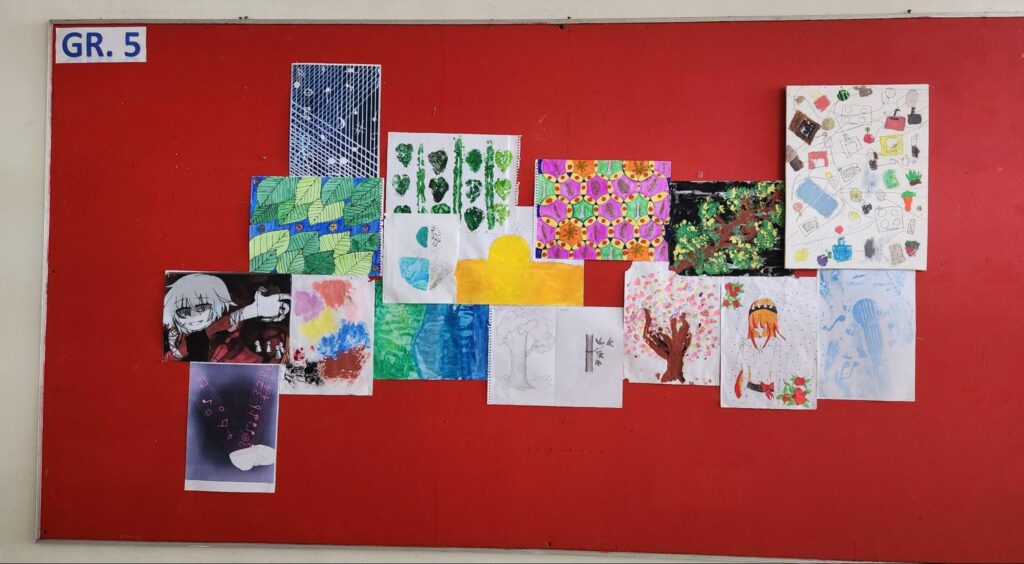
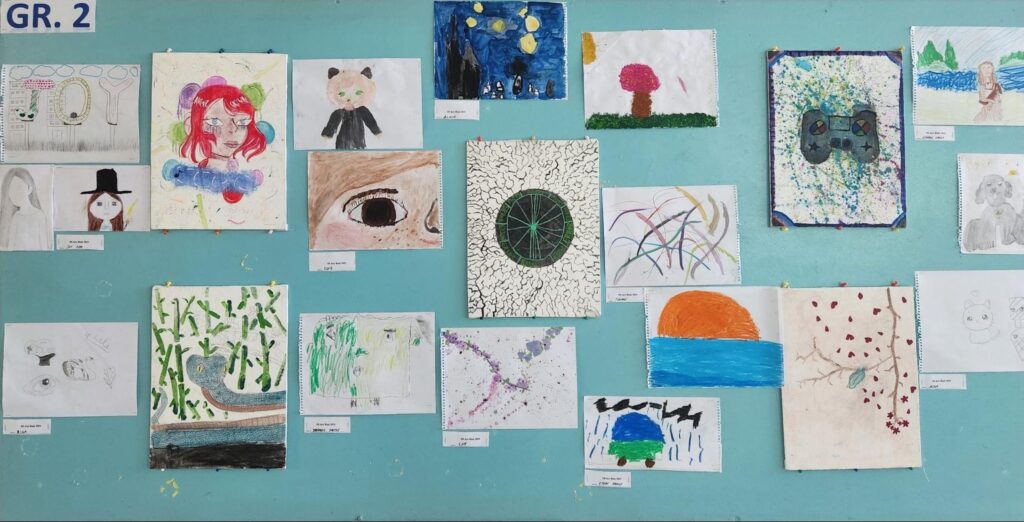
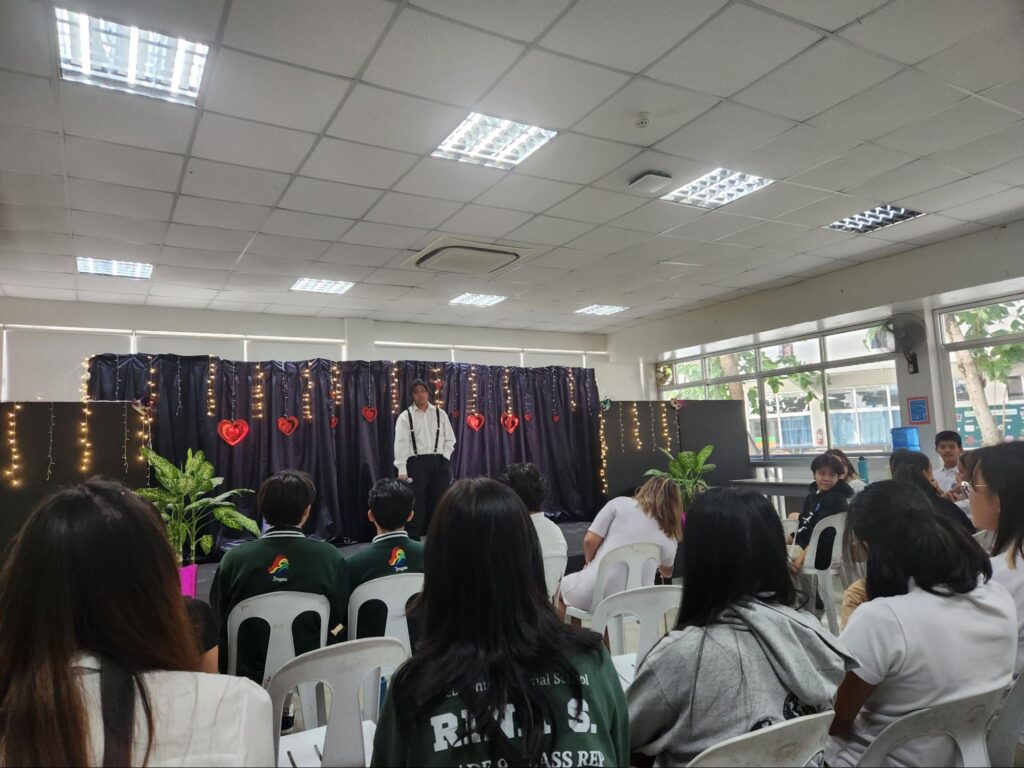
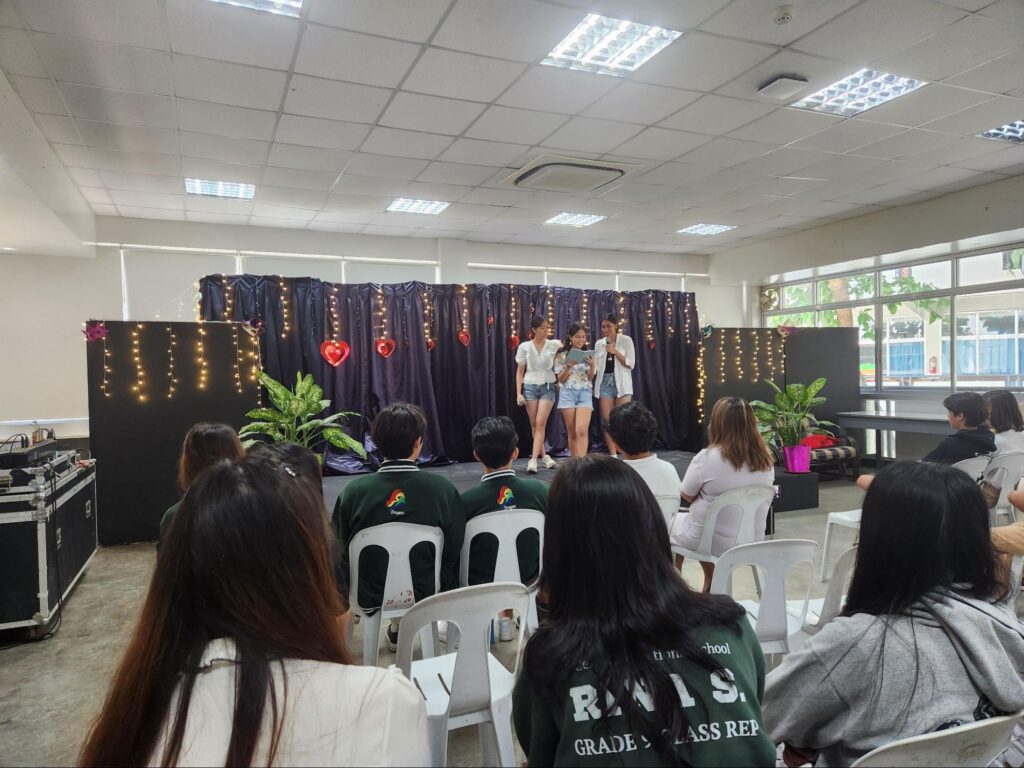
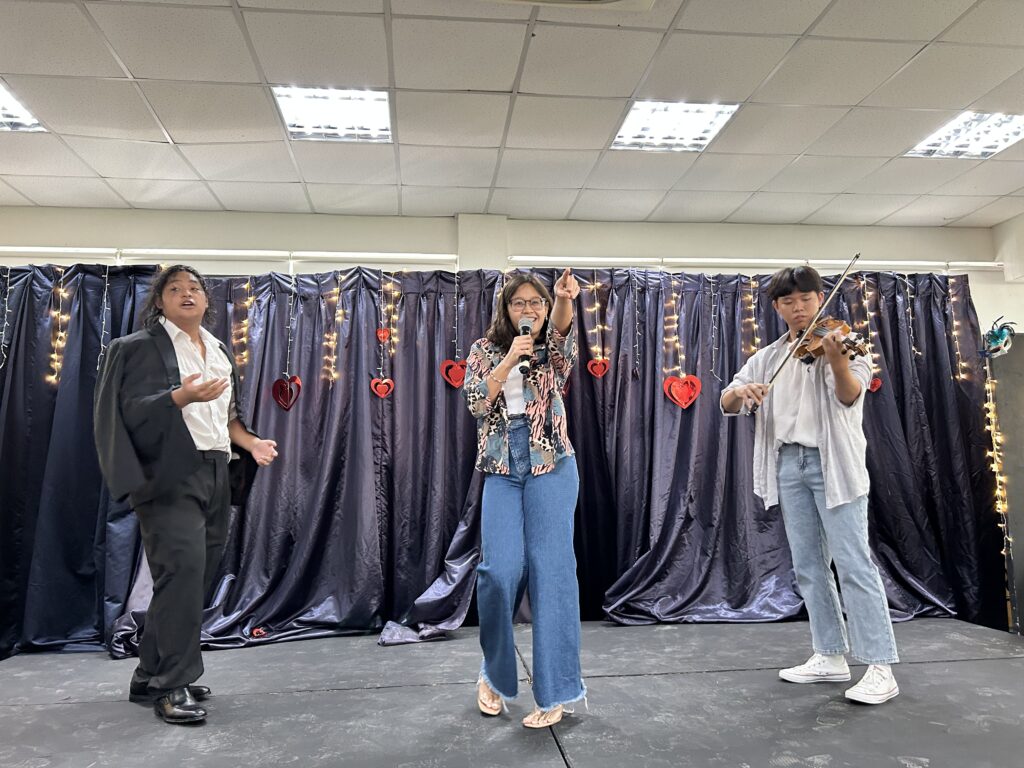
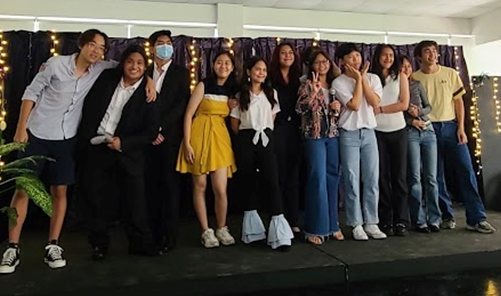 included MHS students and teachers, G10 parents and PTA Board. The performance, which showcased the students’ talents in acting, singing, and dancing, was met with thunderous applause and positive reviews.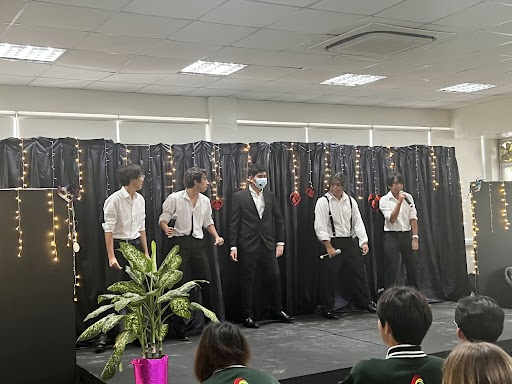
 Dr. Pollock
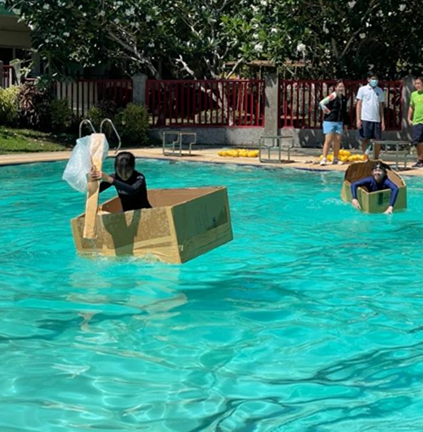
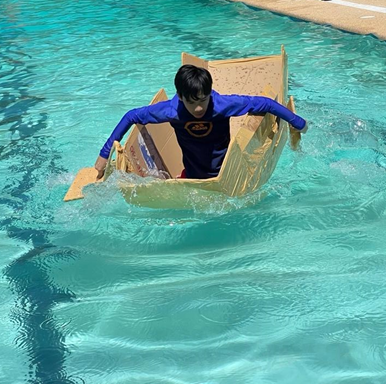
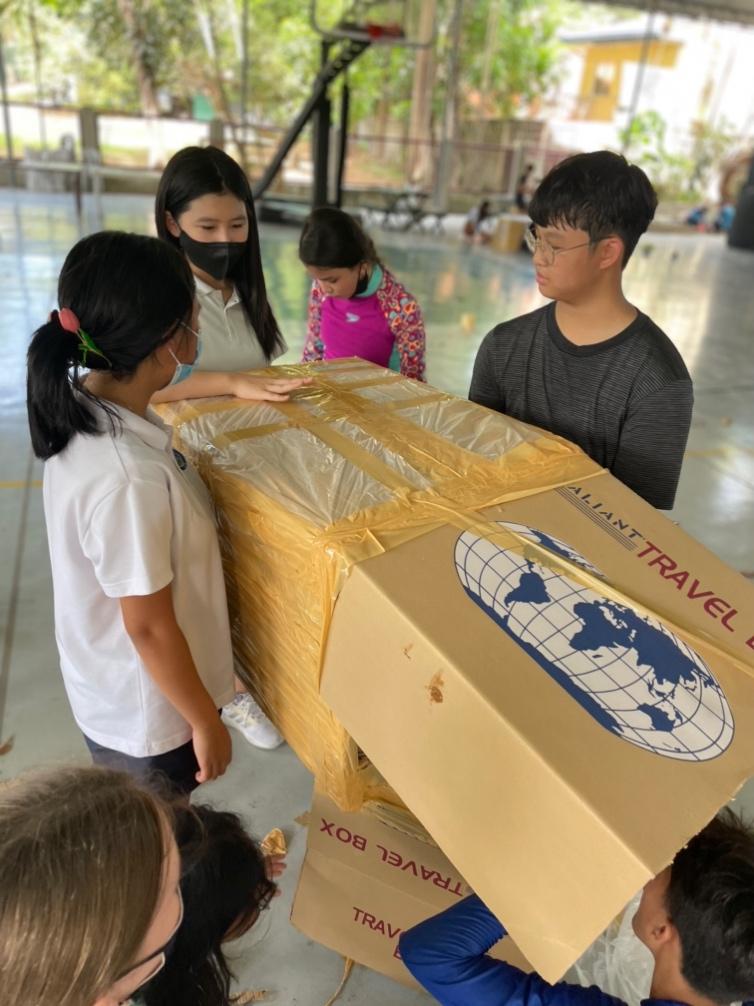 Students had to concentrate on their communication and teamwork skills in addition to the technical components of the activity to ensure that their team worked efficiently. To create the best race design and strategy, they had to assign work, listen to one another’s ideas, and compromise. Making a team flag and chant enabled students to collaborate and build team spirit, making them feel more connected and motivated.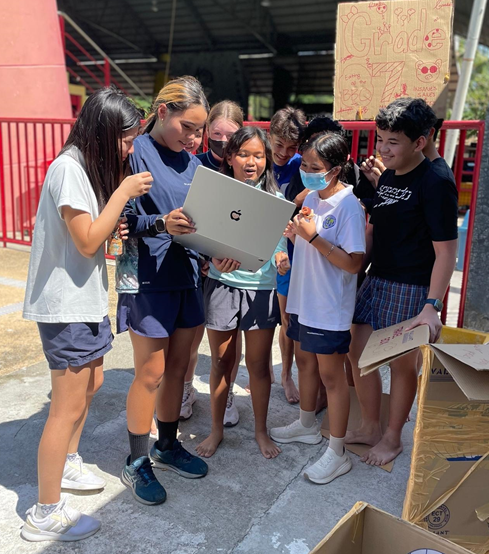
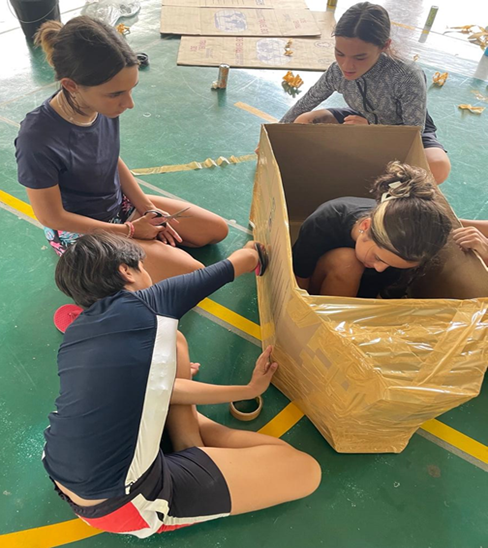
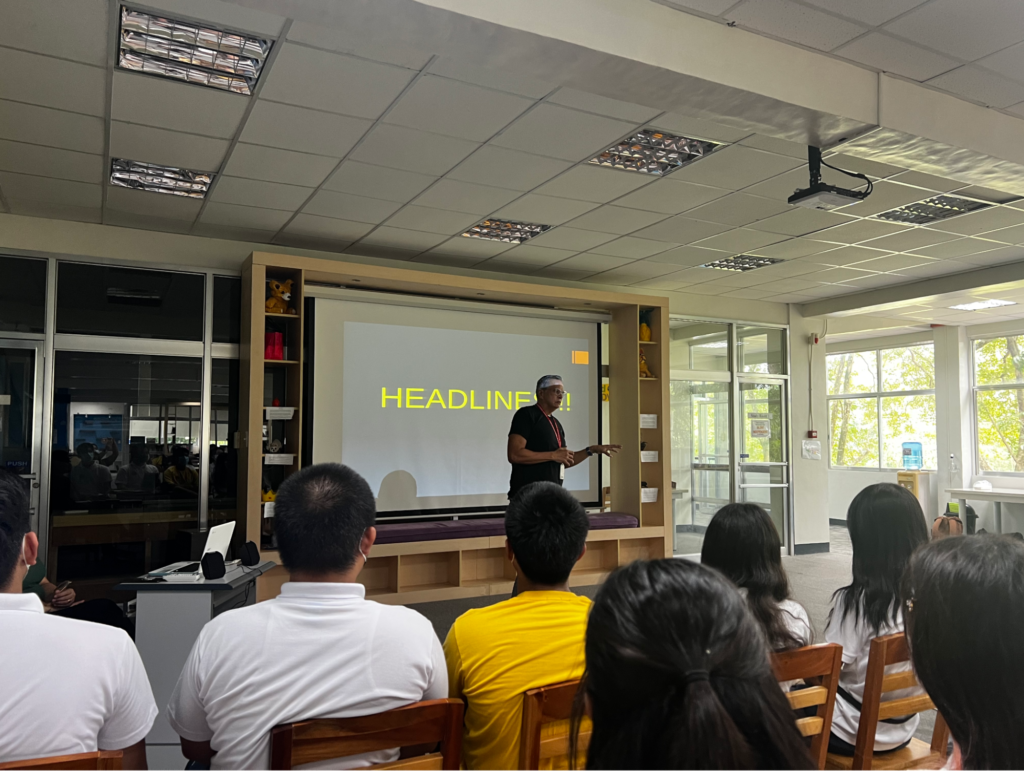
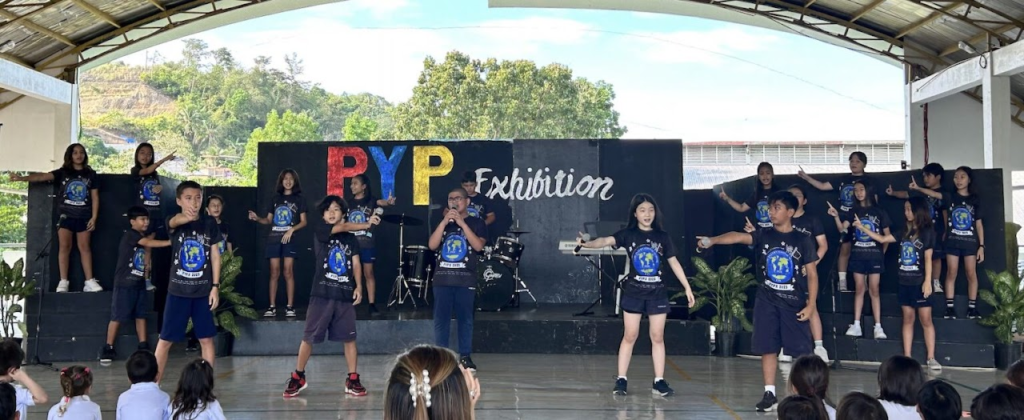
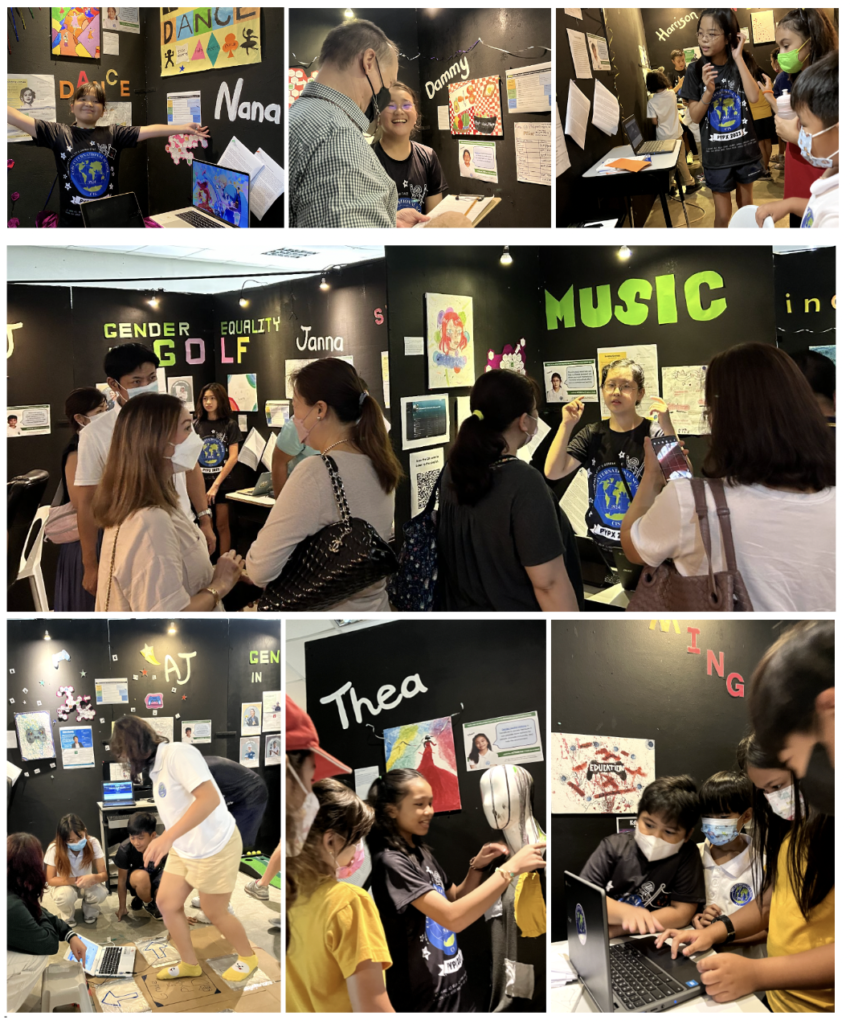
 This week the campus has been especially busy as our Grade 5 students prepare for their culminating PYP Exhibition, while Grade 6-11 students engage in a variety of activities on and off campus as part of Week Without Walls. The progressive nature of the education provided to these groups of students is considerably different from that experienced by other students at schools in the Philippines. This approach places students at the center of the learning experience while offering them a safe and supportive environment that prepares them for life beyond the classroom.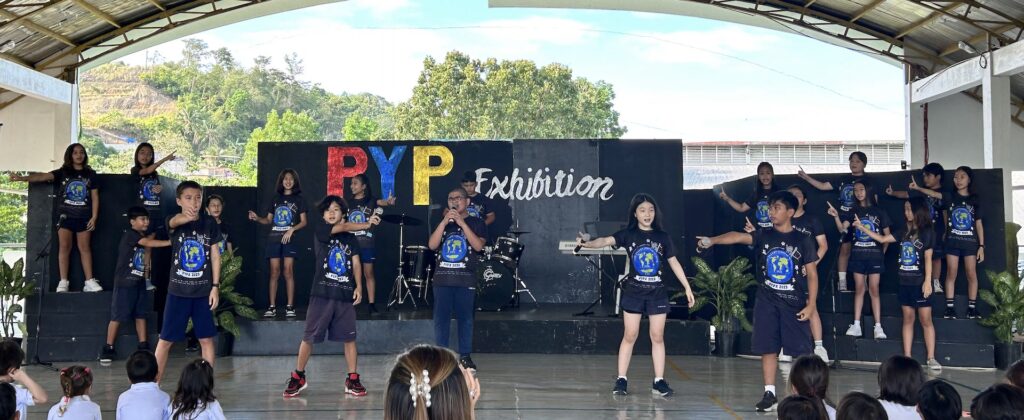
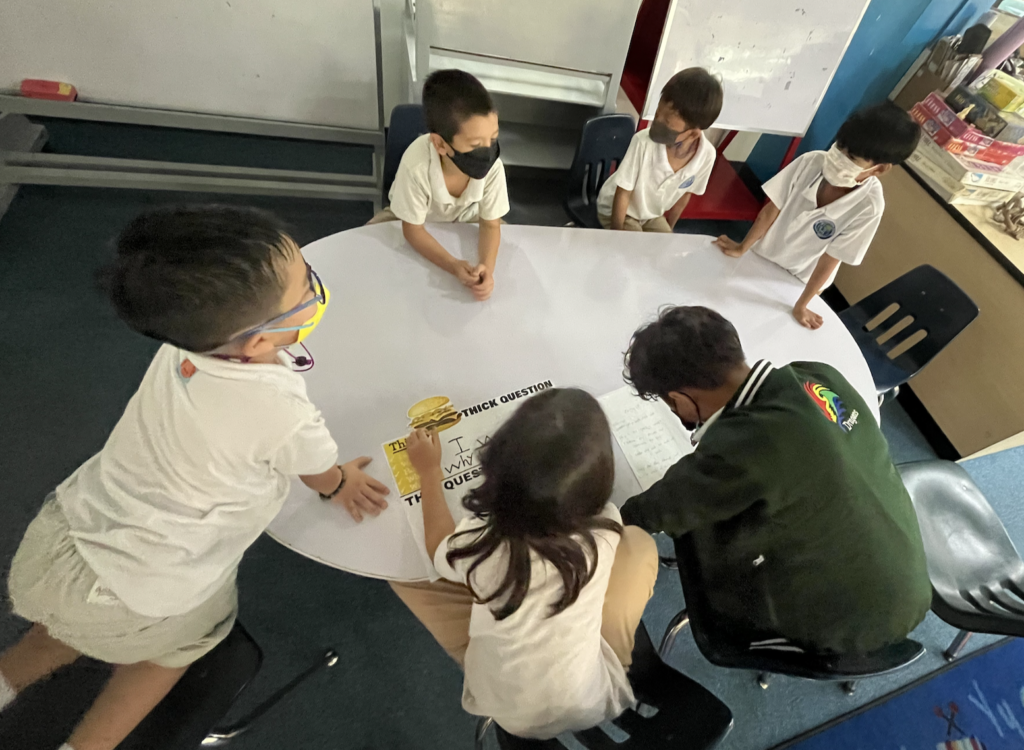
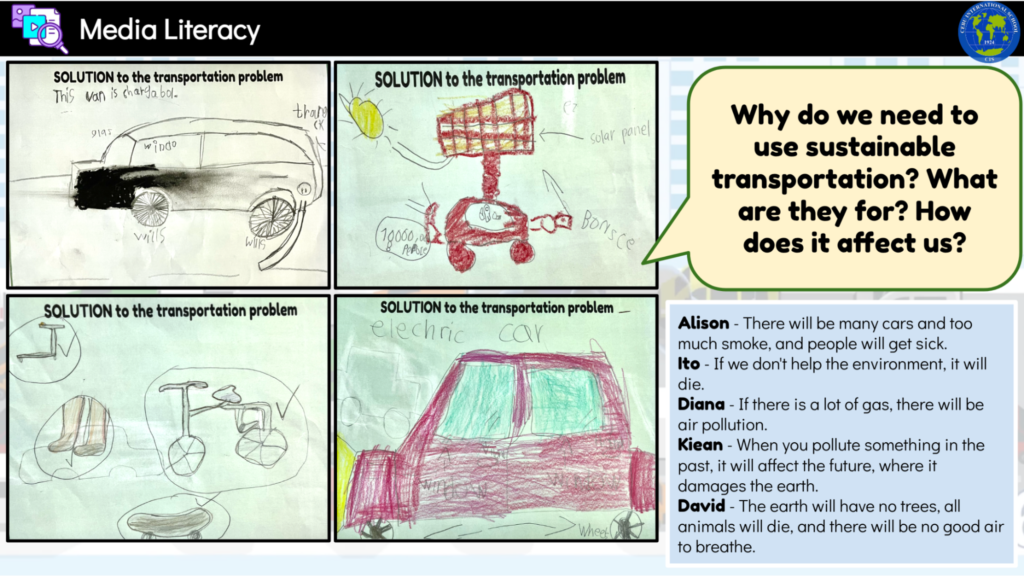
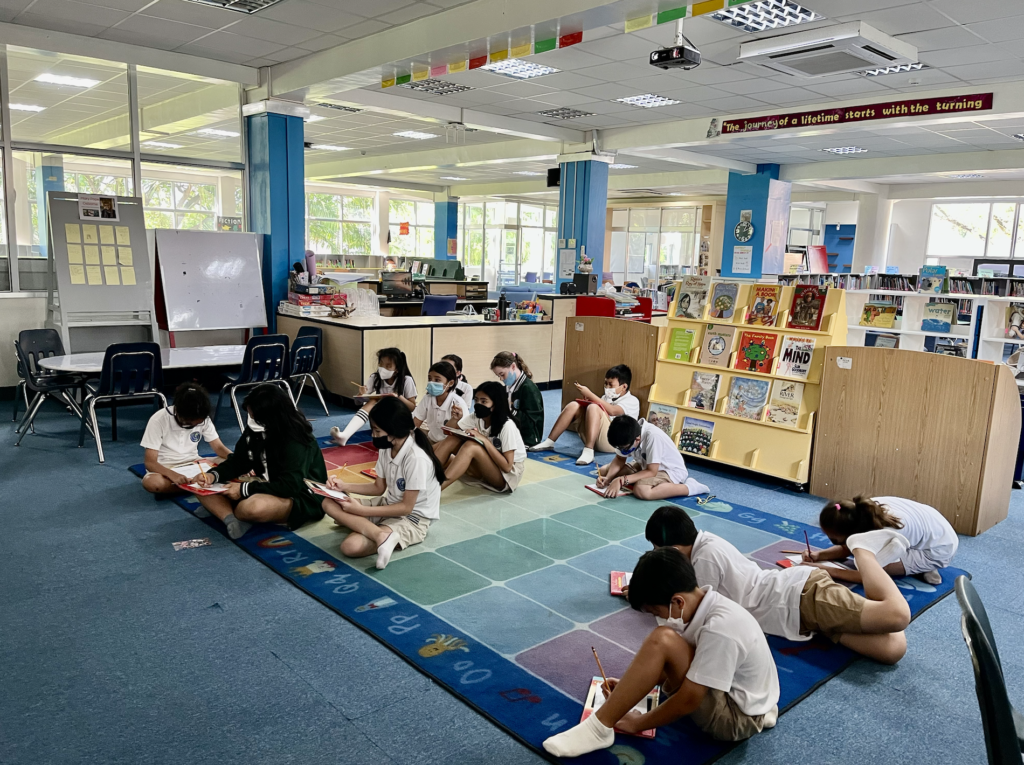
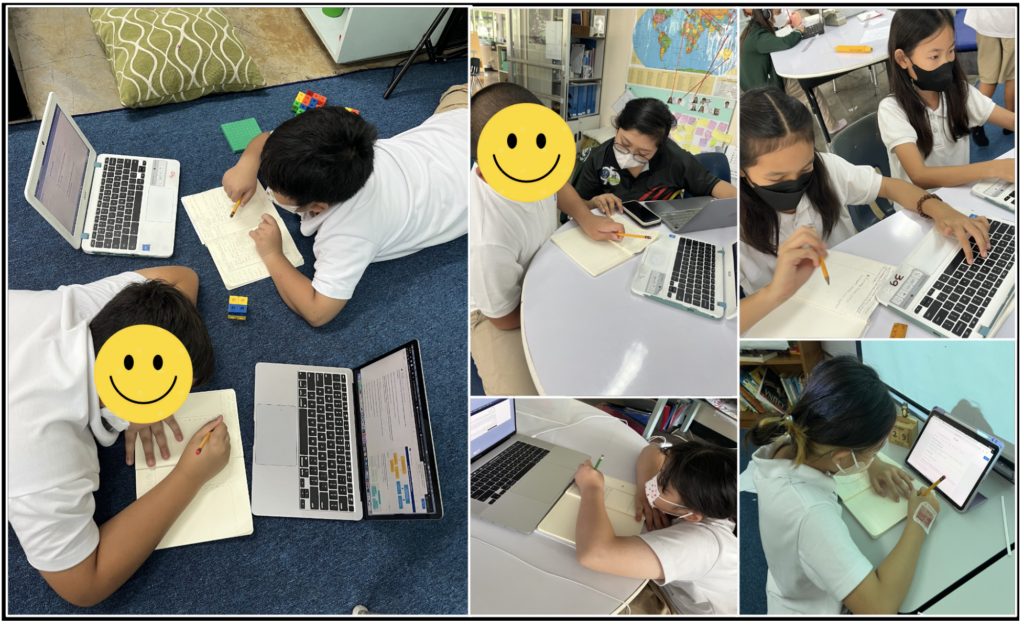
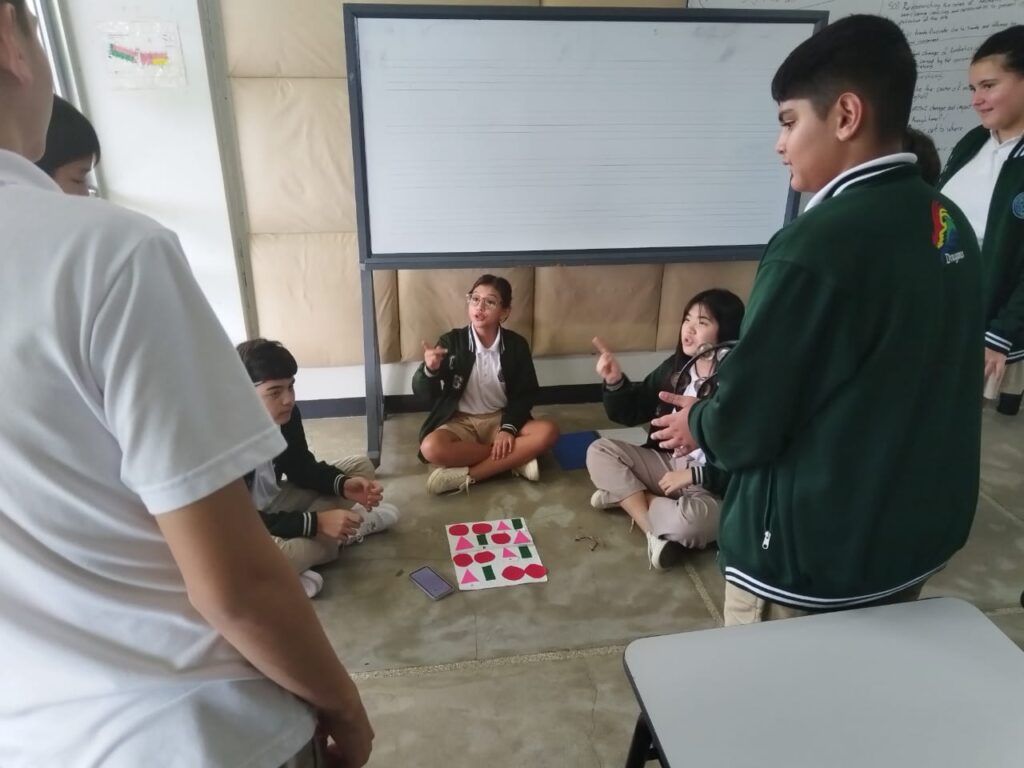
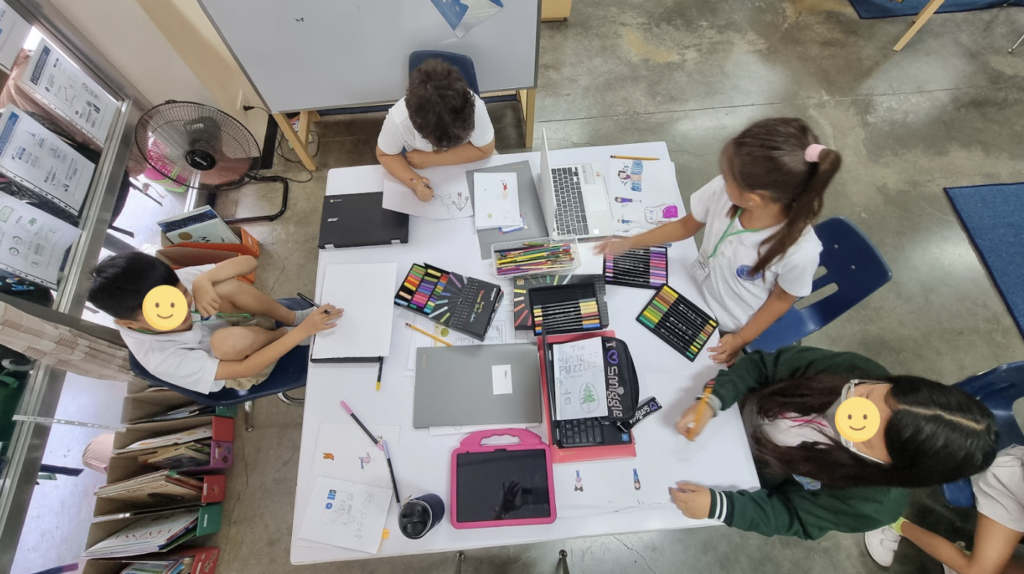
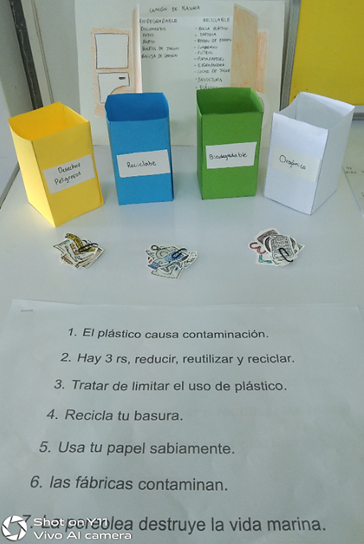 Grades 8 and 9 really like to play, so for Spanish class, they created diverse board games to express their learning, realizations, and discoveries, according to their level of readiness, on the topic of the 3 Rs: recycle, reuse, repurpose. Here are some of the students’ comments in Spanish about the nature of these activities.