
Principal’s Corner
by Mr. Andrew Powell, EY-Grade 12 Principal
We’ve had a busy week at CIS with a number of significant events taking place in addition to our regular classes and After School Activities. The Elementary School held Student Goal Setting Conferences which provided students, parents, and teachers with an opportunity to reflect upon the start of the school year and work together to set preliminary goals for the year ahead. Our Grade 11 Values Meeting took place through a series of virtual presentations, which provided our students and their families with an opportunity to develop a deeper understanding of the IB Diploma Programme courses while also reflecting upon the values that underpin CIS, and the commitment we all share to supporting our students. And we ended the week with our first House Activity Day and an afternoon of Professional Development for our teachers.
While these activities are diverse in nature there are some common threads that are worth highlighting:
A sense of connectedness
We strive to provide our whole school community with a sense of connectedness. This is of paramount importance, especially during a time when physical connectedness is so difficult. Research on student leadership indicates that in addition to increased educational outcomes, students who are connected to school have improved longer-term health and wellbeing benefits. Providing students with opportunities to have meaningful engagement with school decisions and show leadership at school are ways of enhancing students’ sense of belonging. They are also an important way to develop social competencies.
Active student involvement
Student agency is an important facet of the IB programmes and in the context of CIS it involves a firm commitment to the principle that students have the potential to positively influence in their own lives. Student agency involves setting goals, reflecting, and acting responsibly to effect change. We encourage our students to make responsible decisions and choices rather than simply accepting those determined by others. When students are actively engaged in their learning and wider community events, they are more likely to be motivated and achieve long-term goals.
Community approach
The power of school-community relationships is transformative in nature. When schools and their communities work together to support learning, everyone benefits. Partnerships serve to strengthen, support, and transform, resulting in a better alignment of goals and learning outcomes. While a focus on curriculum, instruction and student engagement with the learning process is important, parent involvement makes a significant difference in academic achievement and school success.
CIS strives to be an innovative school. The way in which our student leaders have been able to plan and run our House Activity Day online, is testament to the incredible commitment our teachers have made over the past few years to foster a space and place for student agency. As is evident from the current global situation, it is not possible to eliminate challenges from our lives but providing students with opportunities to learn and overcome them ensures that they are well positioned for the future. We could not do that without the support and involvement of our parent community.
Diploma Programme Update
by Ms. Emily Cornet, IBDP Coordinator
September DP update!
September is a busy month for students in the Diploma Programme at CIS. While the Grade 11 students are only in the second month of their DP courses, the Grade 12 students are busy working on completing their Extended Essay, as well as working on their Internal Assessments in many classes.
This week, Grade 11 students and parents were sent a link to the Grade 11 DP Values Meeting website. While we would normally gather in person to mark the beginning of their two-year journey towards High School Graduation and the IB Diploma, we presented the information virtually. Students and parents had the opportunity to watch the videos presented by their  teachers, introducing the journey that they will take in their classes over the next two years. They were presented videos about where they should be, as Grade 11 students, in their path towards university, as well as videos about the CIS Diploma Programme. Lastly, students and teachers signed a digital version of the banner that we normally hang in the Media Center, showing our shared commitment to making sure that all students will be successful in the first year of the Diploma Programme.
On Wednesday 29 September, Grade 12 students and their parents will have the opportunity to view a similar presentation, aimed towards their 12th grade year and their recommitment to being successful in this final year of high school. Grade 12 students will also be learning more in the second half of September about their IB Diploma options, as they meet with the DP Coordinator, the Principal, and their parents, to discuss their Anticipated Grades. Grade 12 students and parents—stay tuned for more about these upcoming events!
Grade 4 Art Class
by Ms. Thea Raagas, Elementary Art Teacher
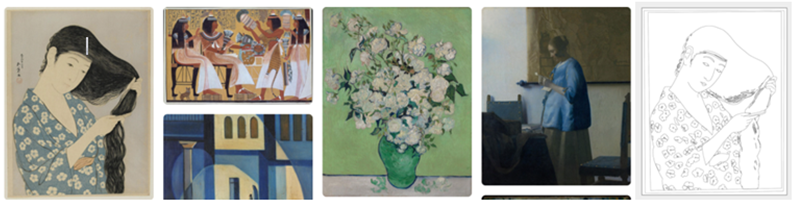
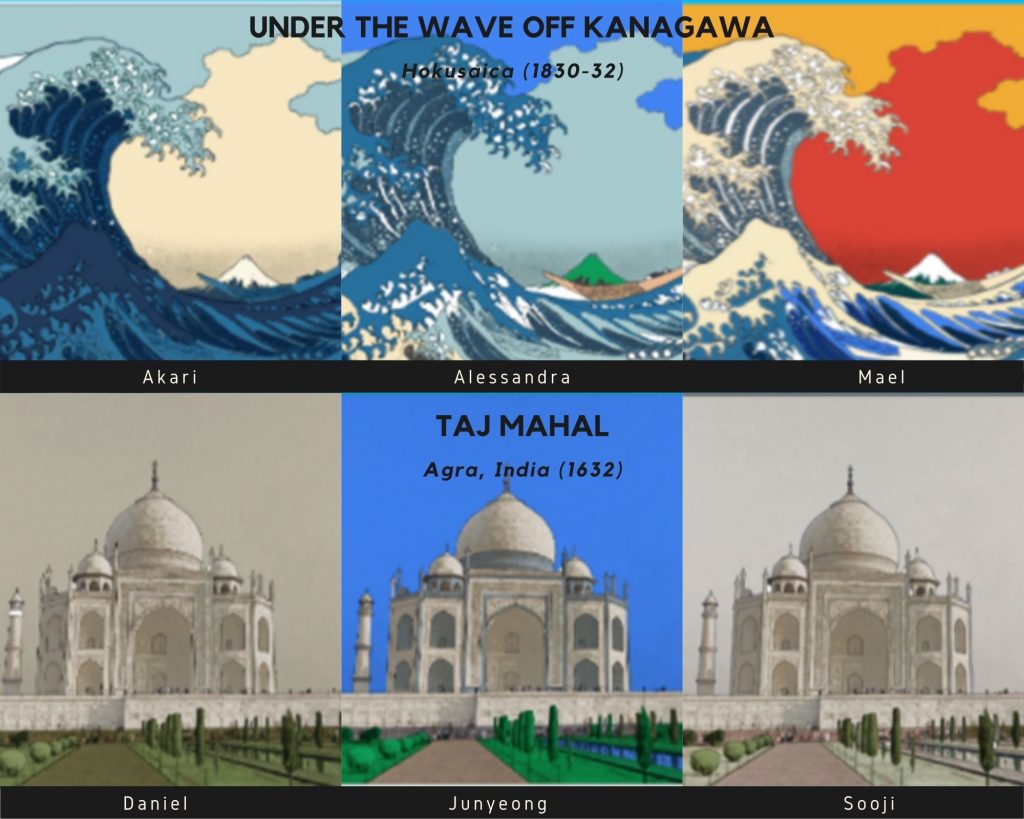
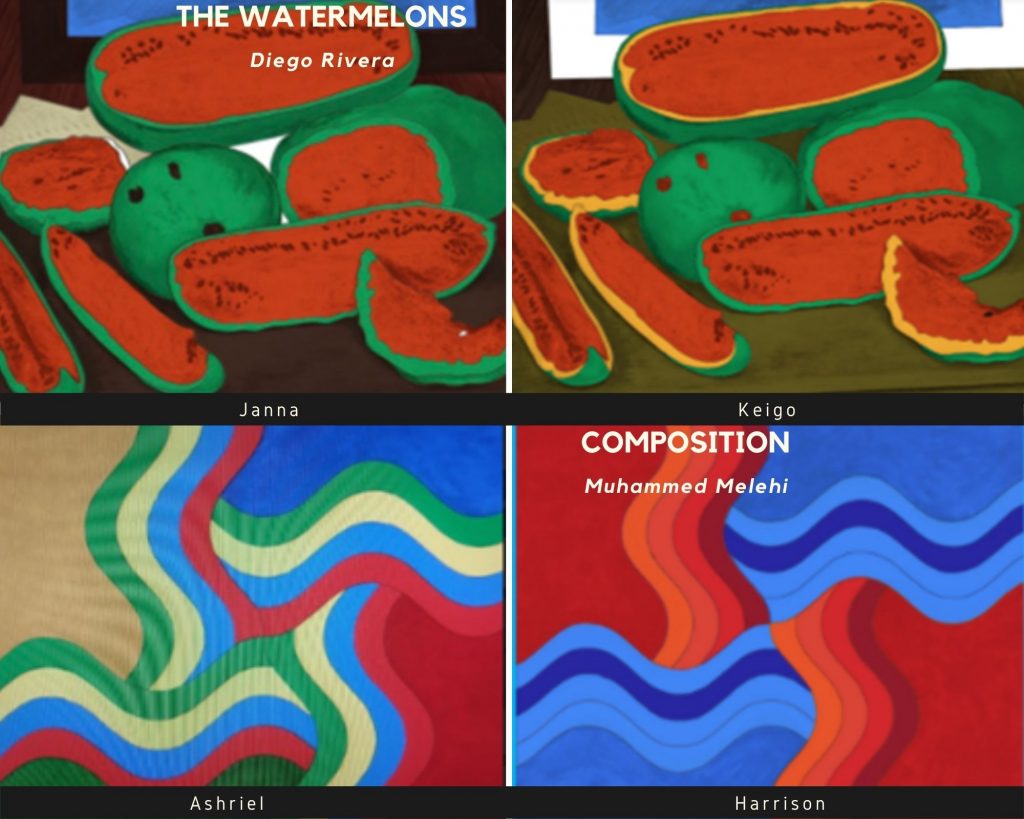
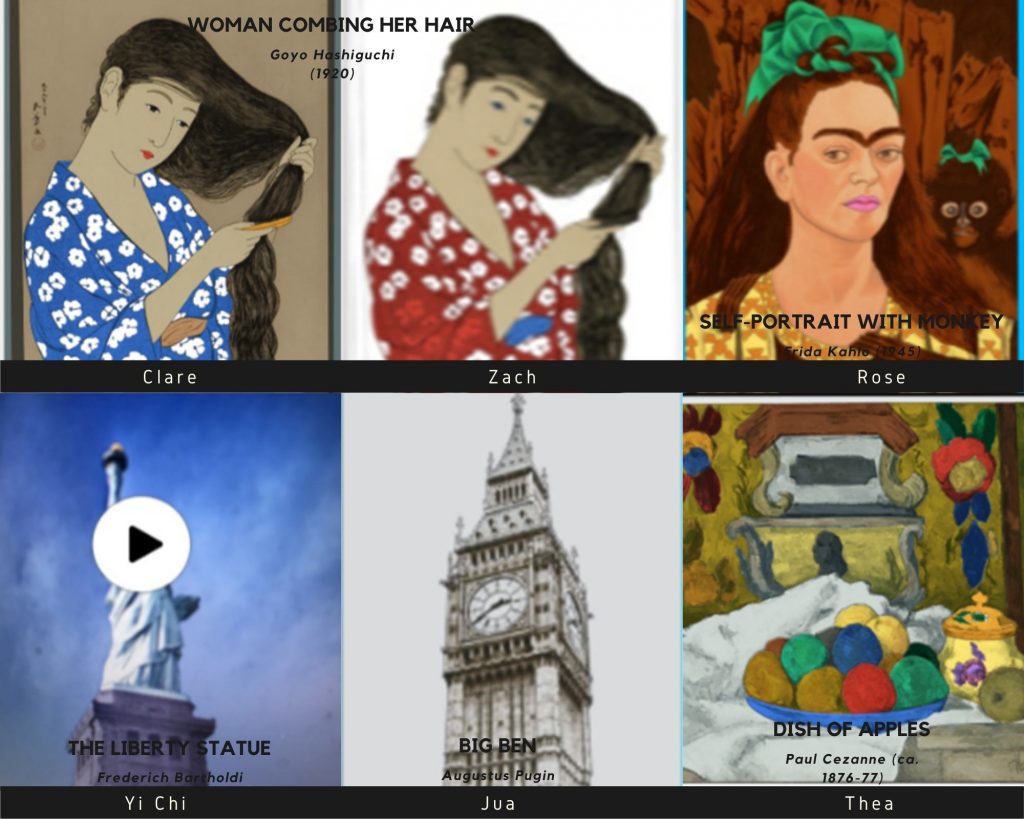
Google Art Coloring Book
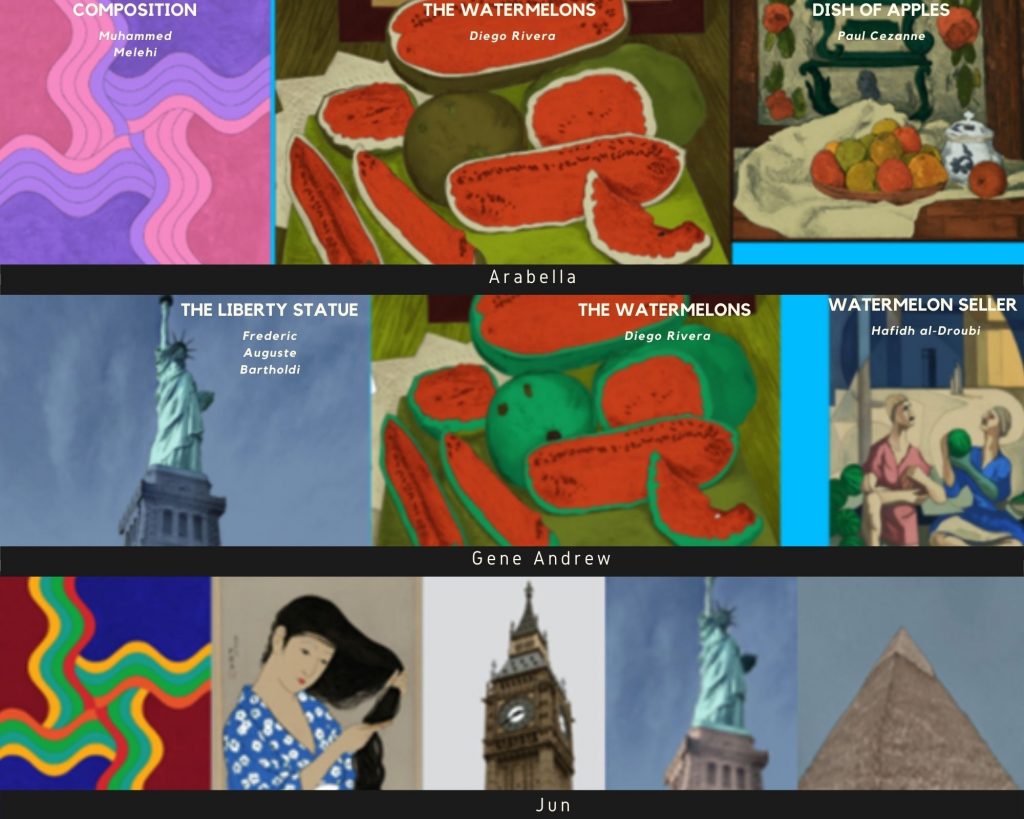
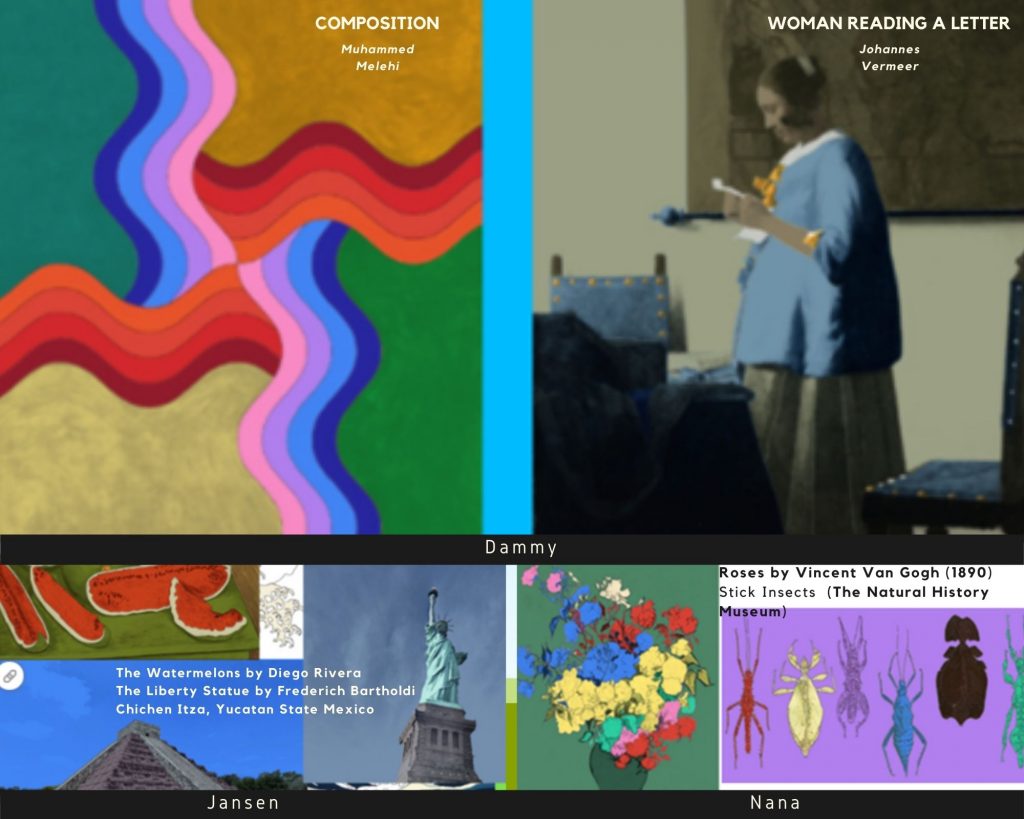
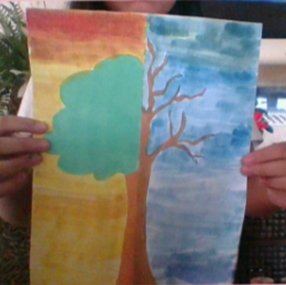
Our Grade 4 students have been examining color as an element of Art. We have discussed warm and cool colors as well as making a color wheel. To further explore this element our students took a break from the traditional art materials and explored color through a digital medium.
The Google website “Art Coloring Book” provided students with the opportunity to engage with famous works of art and our students thoroughly enjoyed their opportunity to learn about and individualize these paintings. Their results are absolutely amazing. Many thanks to Mr. Jessie Saclo III for sharing this resource.
Grade 4 Class
by Mr. Sten Coppin & Ms. Freshal Abcede, G4 Teacher
The Grade 4 students have been exploring and learning about the economy in our unit “How We Organized Ourselves”. We’re looking at supply and demand and cause and effect, as well as hyperinflation and how this has impacted countries such as Germany (Post WW1), Zimbabwe (2000s) and Venezuela’s current situation. These students made this presentation especially for Newsflash so that they could share their learning.




Biology Class
by Ms. Rebecca Devadoss, MHS Biology Teacher
Grade 10: Unit 1 – The twisted shape of life
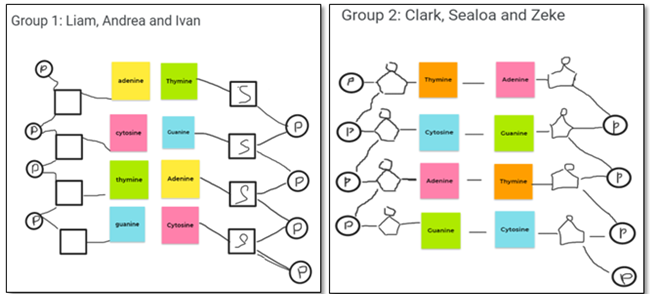
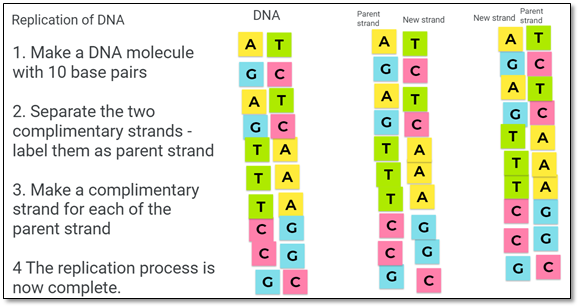
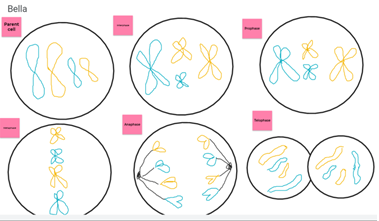
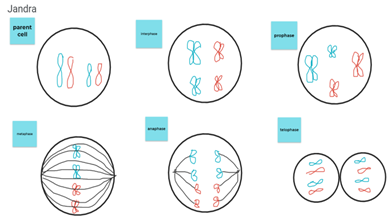
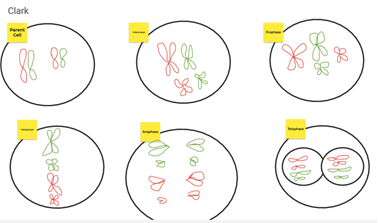
Students started this unit by studying about the structure, functions and replication of DNA. They also studied that a parent cell divides to form two daughter cells that are identical to the parent cell. This is possible because of the replication of the DNA and other events that take place during Mitosis, a type of cell division. Remote learning conditions did not hinder them in taking part in group activities to be engaged in the learning process.
JamBoard was used as a primary tool to enable students to learn about the “Structure of DNA”, “Replication of DNA” and stages of cell division by “Mitosis”.
“Structure of DNA”
Stages of Mitosis:
Students drew the various stages of mitosis. They were able to infer that the daughter cells are identical to each other and to the parent cell.
Grade 11: Topic 1 – Cell Biology
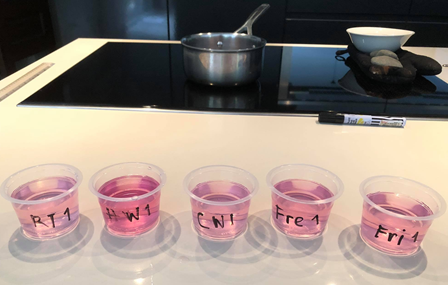
In cell biology, apart from exploring the various parts of the cell, students are also studying the structure, composition and functions of the plasma membrane. Several factors can cause stress to the cell membrane. For example, change in pH, salinity, change in solute concentration, temperature, etc.
Students performed a home based lab investigation, “Stress on Plasma Membrane” due to change in temperature. Beetroot tissue samples were placed in a range of temperatures to observe if extreme temperatures fractured the plasma membrane to release the betacyanin pigments into the water.
House Activities Day (HAD)
by Mr. Ron de Villa, Activities Coordinator
At the beginning of a student’s studies here at CIS, they are assigned to one of the four Houses (Acacia, Mahogany, Molave, and Narra). HAD stands for House Activities Day, an inter-house event conducted three times a year. It is a fun day where every house team competes against each other through different activities. While members are supporting each other and working together to win activities, friendships are formed between students of different grade levels. HAD serves as a school day where students don’t have to learn in a classroom setting, but instead, practice valuable skills such as teamwork, communication, and leadership.
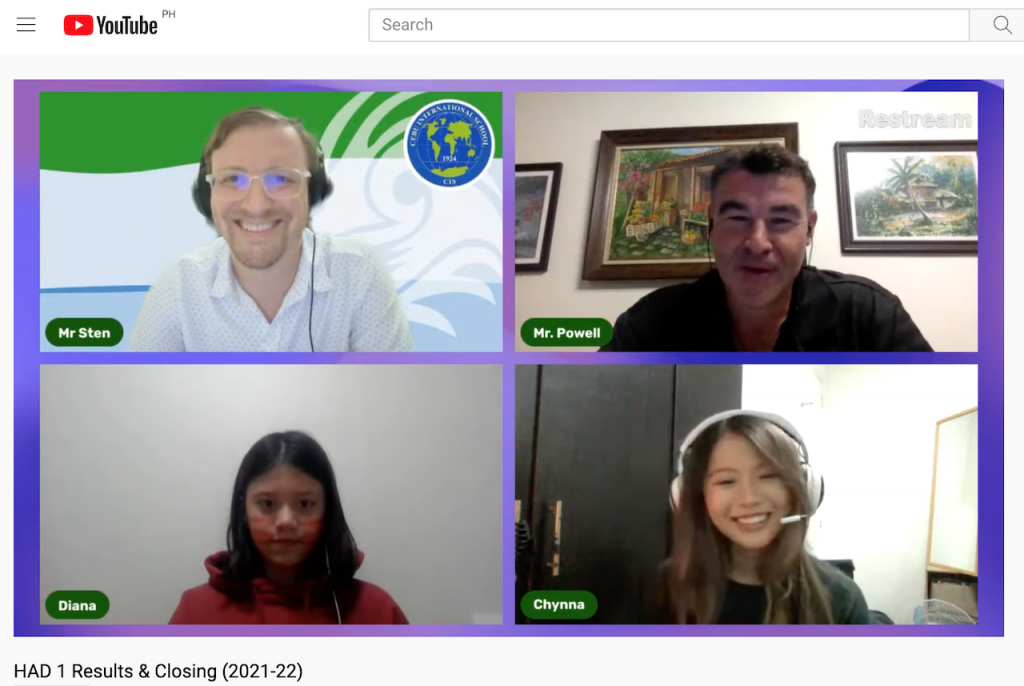
Given the online setting, the Student Council put in an enormous effort to make the remote HADs just as much fun as they were in previous years. Instead of solely relying on ideas for activities from council members, we now send out surveys before every HAD to give each student a chance to share their input and use the results to organize a line-up of more fun and engaging activities!
Additionally, with the extra time we have allocated during the homeroom session before HAD, the House Captains fruitfully used this time for the members to get to know one another and to get the team spirits high in preparation for HAD. With the help of all faculty and staff, every HAD is a success as all students – whatever house they belong in – are sure to be engaged and are having a blast while participating in these fun activities!
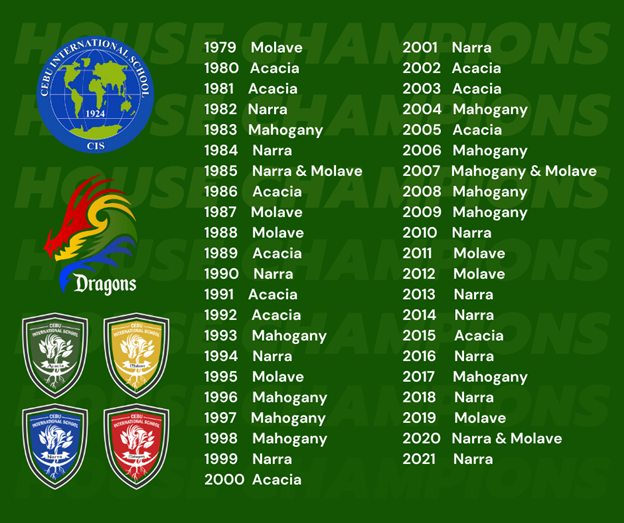
At the end of the day, a House is awarded the Overall winner and by the end of the year, the House winning most points from all 3 HADs are declared the Champion! This just makes HAD more exciting and a much-awaited event every year! Here’s a list of past Champions:
Dragon’s Print
Looking to play a new sport or find out which sport is best for you? Choosing which sport to play can be a tricky process, there are a couple of factors to consider before trying something new like your athletic ability, interests, and goals. Find out which sport best suits you at https://dragonsprint.cis.edu.
HAD 1 Winners
by CIS StuCo
After much anticipation, here are the winners for our very first HAD for the school year 2020-2021! In fourth place, with 77 points, we have Acacia!! Coming in third place with 83 points, we have Molave!! That leaves with two more house teams… the runner-up for HAD 1 with 88 points is house Mahogany! Coming in the first place, with 101 points, the winner of HAD 1 2020-2021 is none other than Narra!
Congratulations everyone for participating in our first every HAD of the school year!
College/Careers Counselor Corner
by Ms. Jenny Basa, College/Careers Counselor
Question of the Week:
Q: Will I need a letter of recommendation (LoR) for my college applications?
A: Most universities will require a letter of recommendation from a subject teacher and your counselor. LoR’s can either be
- An Open letter – required by most US & UK universities
- A prescribed form with a checklist and specific questions
Some universities do not require a letter of recommendation. The application checklist will indicate if a LoR is needed. Most Canadian universities do not need an LoR for a student to submit an application.
Upcoming Virtual Events and Fairs: (students & parents are welcome)
Links to register:
Sunday Sept. 19
6:00PM EDT
Monday Sept. 20
7:00PM EDT
Tuesday Sept. 21
7:00PM EDT
EVENT
Brown University, Columbia University,
University of Pennsylvania and Princeton University

Exploring College Options : A special informational program hosted by USA’s top leading universities. You are invited to a 90-minute webinar hosted by admission officers to help you explore your college options and prepare a strong and reflective application in this time of change and new challenges.

If you have questions about accessibility or these programs in general, see our FAQs. Please note that the schedules indicated are all in Eastern Daylight Time (EDT), 12 hours behind PH time.
Links to register
Tuesday Sept. 21
4:00PM Pacific time
Friday Sept. 24
8:00PM Pacific time
Tuesday Sept. 28
7:00AM Pacific time
Tuesday Oct. 2
University of California – Los Angeles (USA)
Information Sessions: You will have the opportunity to learn more about the academic and student life at UCLA, the admission process and meet guests such as current students and alumni.
New Zealand Universities Info Session: Auckland University of Technology
University of Auckland
University of Canterbury
University of Otago
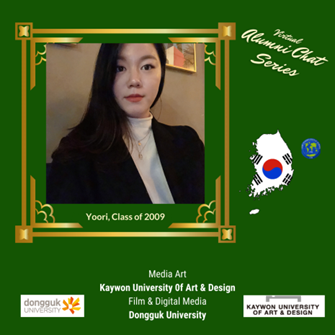
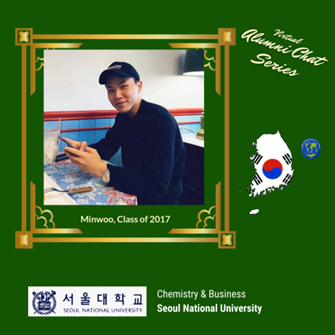
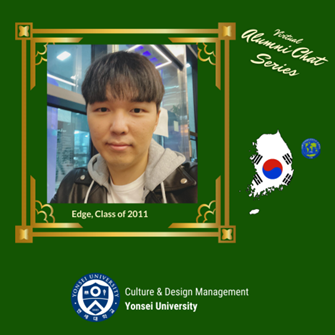
Alumni Chat Series: Focus on Stem Careers
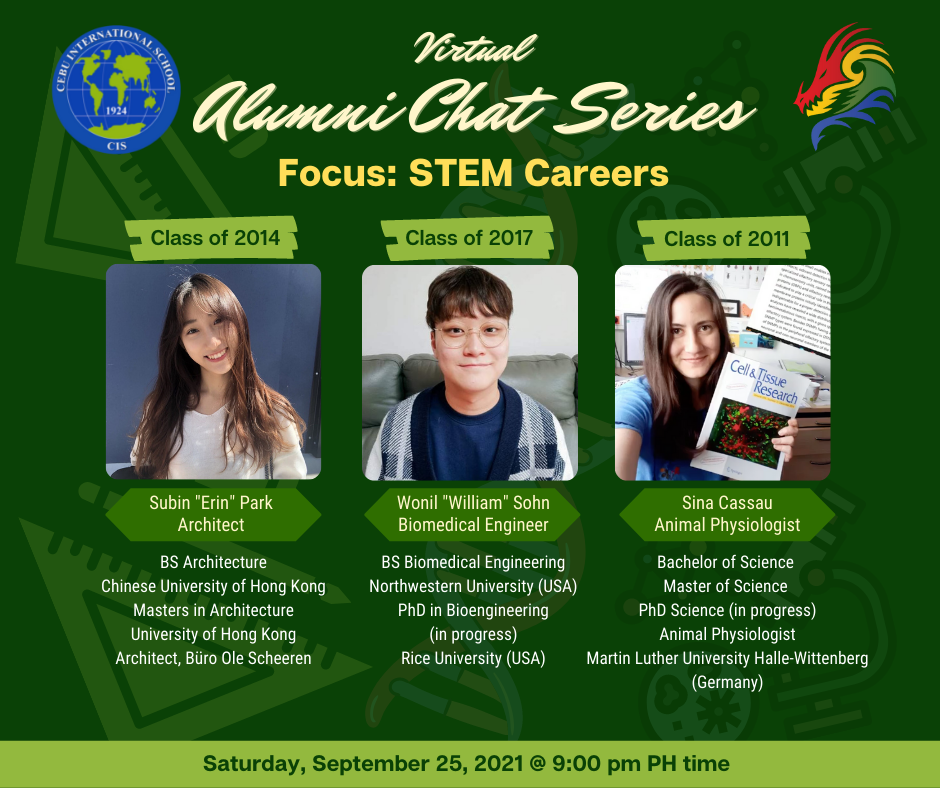
September 27
Monday – 9:00 PM PH time
September 28 & 29
Tuesday & Wednesday
5:00-8:00 PM PH time
Application Review and Financial Aid at Harvard, Pomona, Stanford and Wellesley
LINK To register
European Universities Virtual Fair 2021
• Study in Europe Live Session
• Careers in Europe Session
• Country and University Specific Sessions
• Virtual booths
• 1-on-1 meeting options
Participating universities:
Bocconi University (Italy)
EHL (Switzerland)
IE University (Spain)
Jacobs University (Spain)
Karlsruhe Institute of Technology (Germany)
Modul University (Vienna)
Trinity College Dublin (Ireland)
Brussels School of Governance (Belgium)
September 30
Thursday
7:00 PM
Link to follow
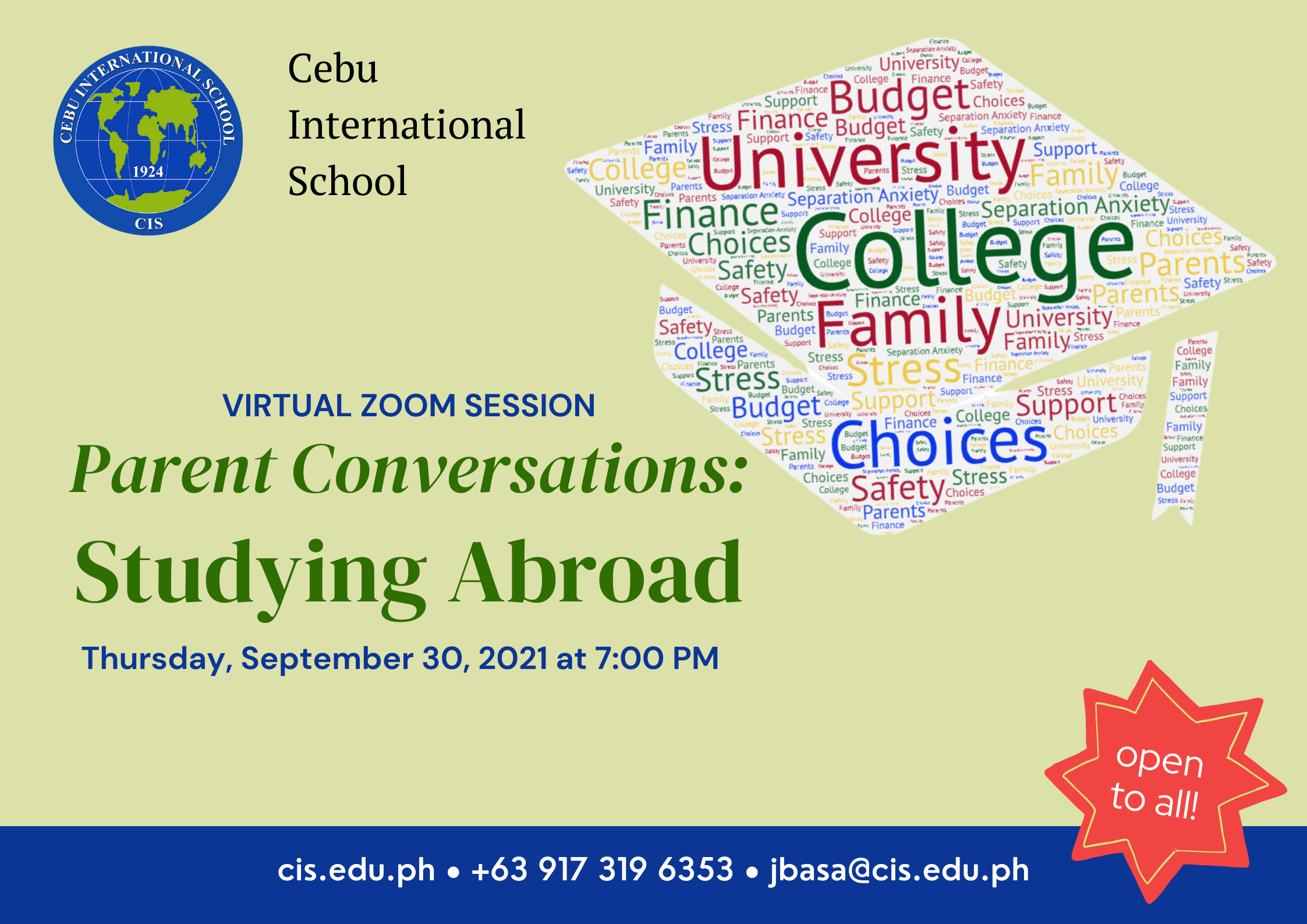
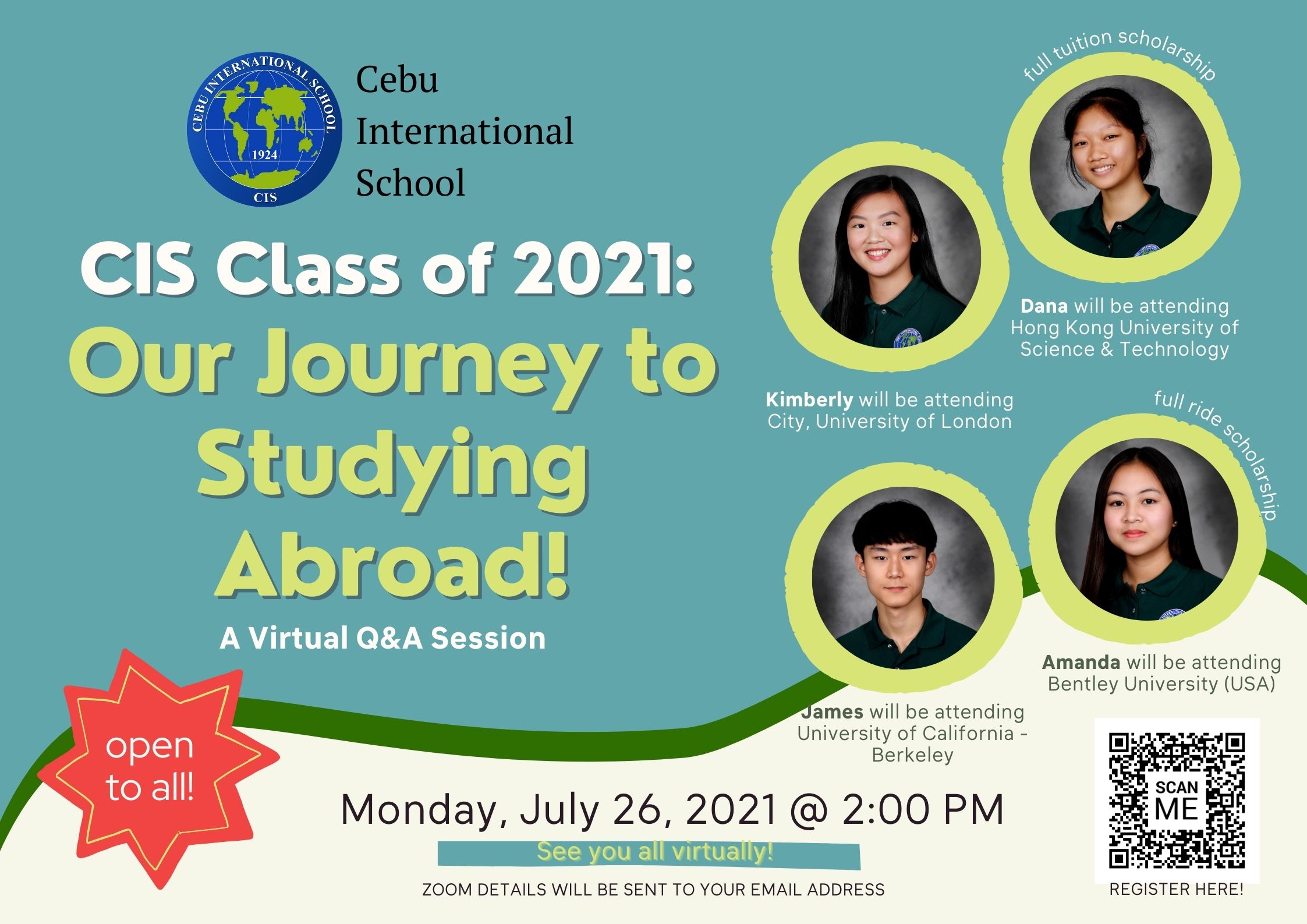
Parent Conversations: Studying Abroad
A Question/Answer session for parents to learn about the experiences of parents when their child studies abroad.
Guest Panel:
• Mr. Bernard Villamor : father of Bianca who studies at UCLA (USA)
• Mrs. Chorie Chan: mother of Andie who studies at UBC (Canda)
• Mrs. Mylene Suarez: mother of Catrina who studies at Polimoda (Italy) and Joaquin who studies at Simon Fraser University (Canada)
• Dr. Clementino Diez: father of Dominique who studies at University of Toronto (Canada)
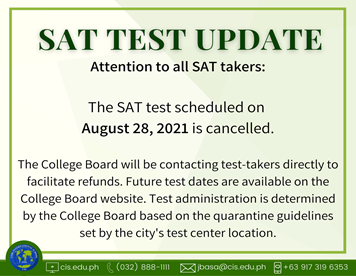
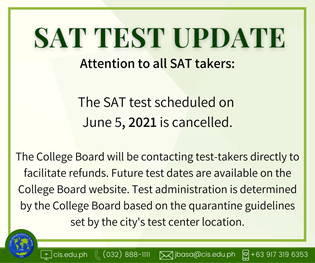
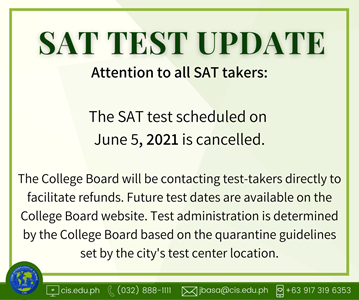
SAT Update
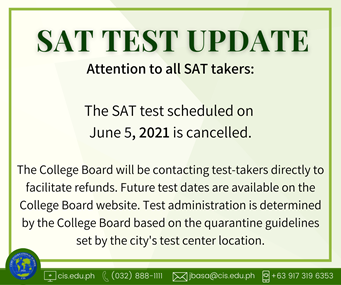
The dates below indicate that registration is open. However, it is highly likely for future dates to be cancelled depending on quarantine restrictions.
| 2021-2022 Test Dates | Registration Deadline |
| August 28, 2021 | CANCELLED |
| October 2, 2021 | CANCELLED |
| December 4, 2021 | November 4, 2021 |
| March 12, 2022 | February 11, 2022 |
| May 7, 2022 | May 5, 2022 |
To register for the SAT, you may click on this link. If you need assistance or have any questions, please feel free to email Ms. Jenny Basa at jbasa@cis.edu.ph.
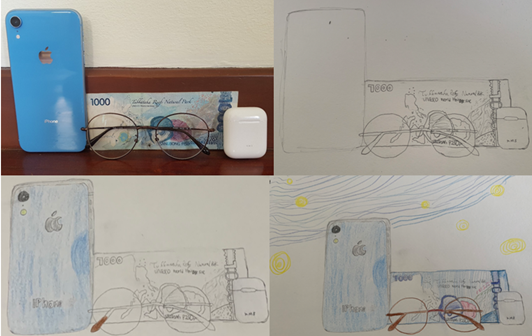
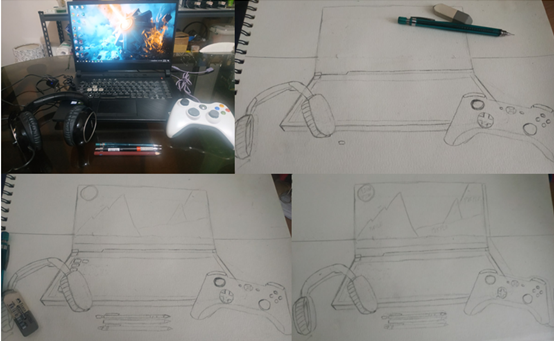
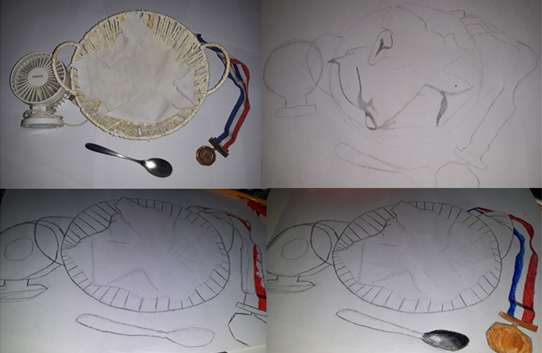
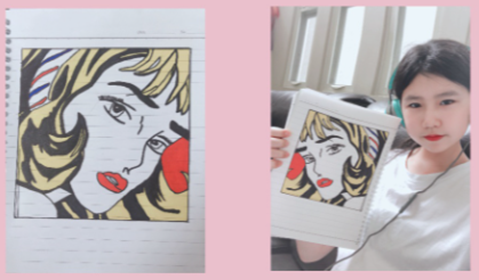
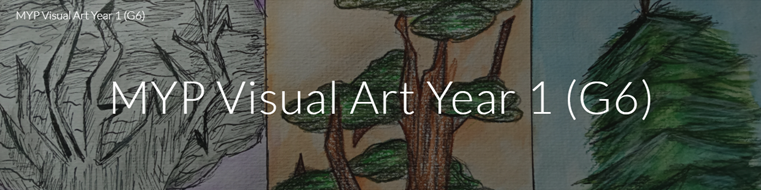 In visual art class, the Da Vinci group of grades 6 and 7 students explored the key concept of communication. In art, communication is the process that transpires between the artist’s work and the audience. Intended communication through the effective application of images, symbols, and visual composition enhances the understanding of concepts, ideas, and experiences. As artists, students visually interpret their experiences through the reference frame of their own reality and contexts to give meaning to their creative work and artistic expression. As the Da Vinci group explored the statement of inquiry, ‘artistic expression communicates a message between the artist and the audience’, they began to investigate the art-making form of ‘illustration’. Guided by the MYP criteria for the arts, students conducted an inquiry on different illustration types and styles. Using the information they have gathered about illustration, students developed their art skills with drawing exercises that aimed to enhance their confidence in creating their own stylistic approach. The Da Vinci group is now at the phase of creating their final summative for this unit.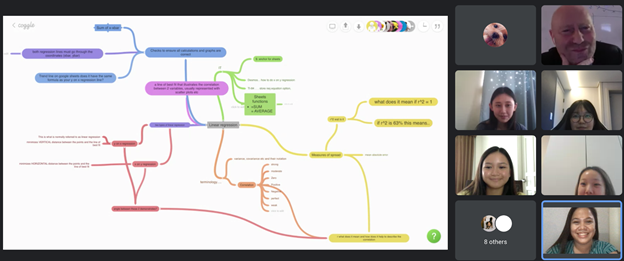








 have fashioned different learning engagements with different adventures every day to ensure that learning in the Early Years is fun, meaningful, and authentic.


 Pattern: With every increase in the number of a red/blue frog, a consecutive odd number is added . 3+5 = 8, 8+7 = 15


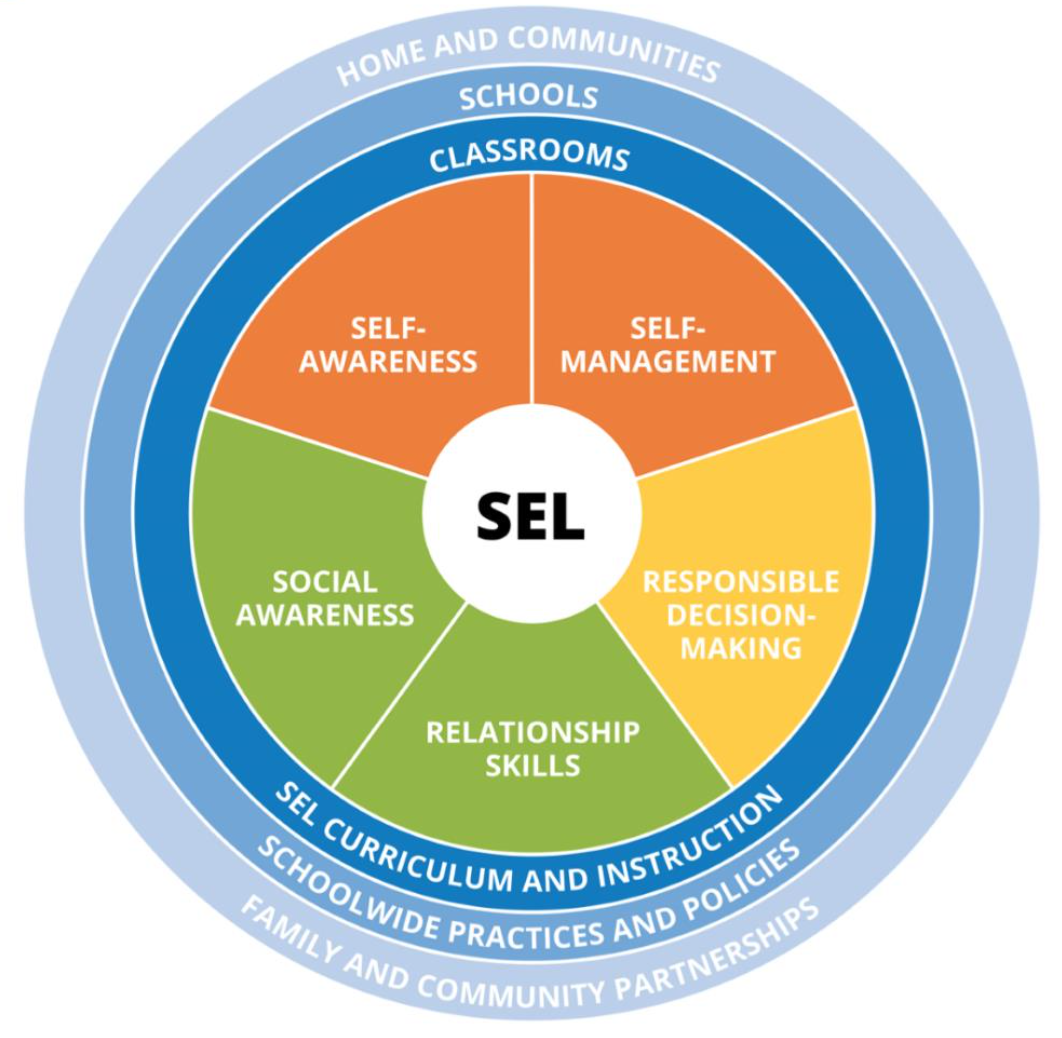
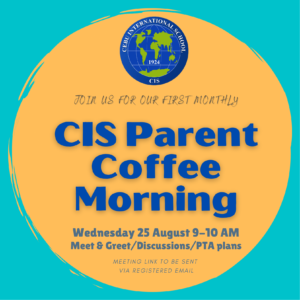
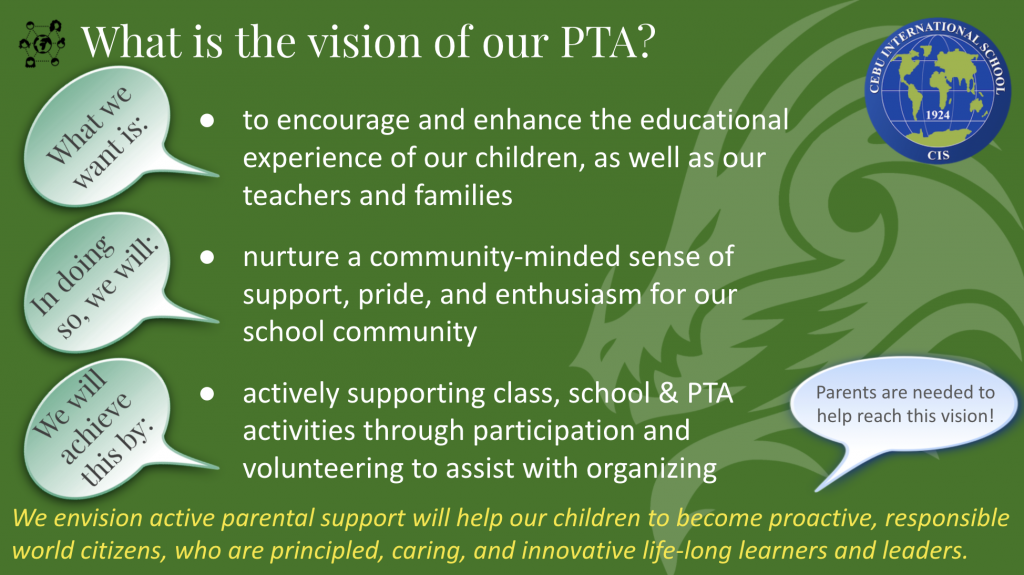 As the pandemic limits our ability to operate in a number of areas, the PTA has discussed keeping things simple this year and focusing on relationships and Social Emotional Learning (SEL).
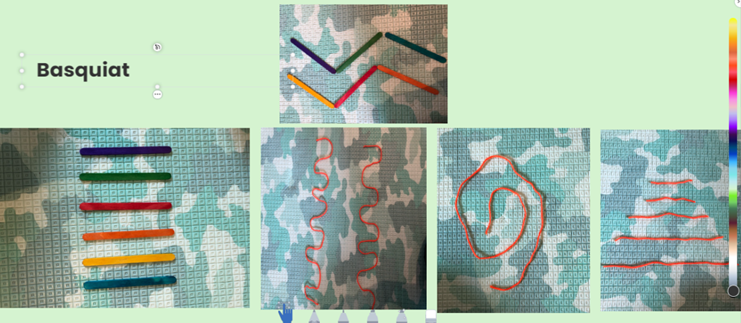
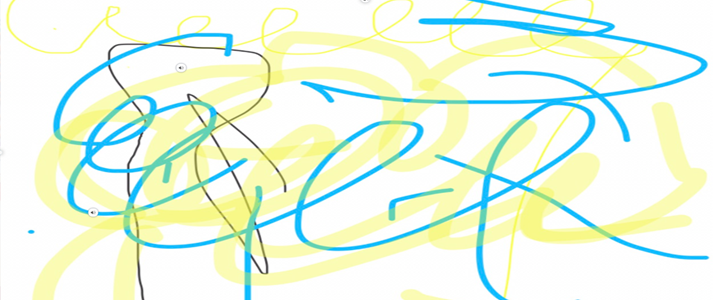
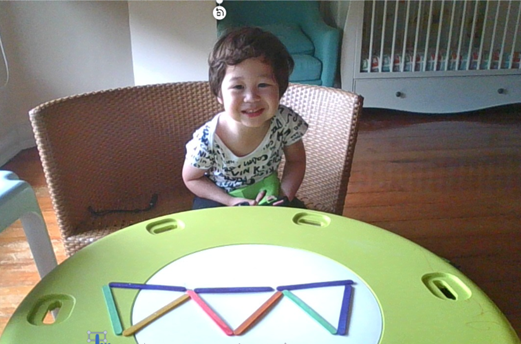
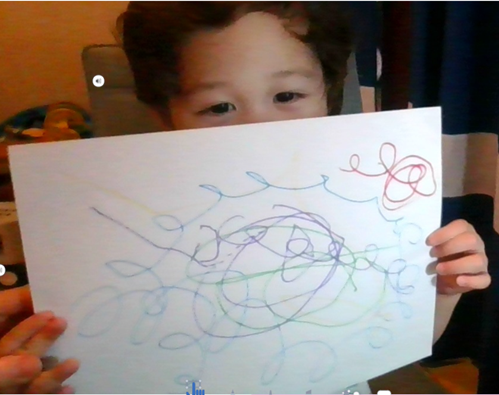
 Diagnosis of a Zombie Brain

 It has been a whirlwind start to the year and my time as EY – 12 Principal at CIS. Testament to the community nature of the school, I have found myself immediately welcomed and feeling valued despite working from Jordan, close to 9,000km away from Cebu; such is the strength of the community and the power of technology.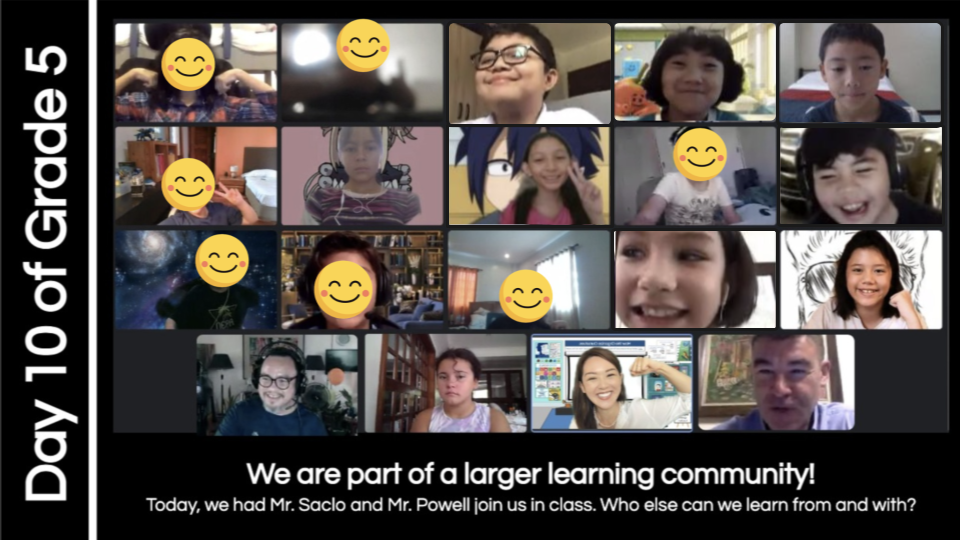
 School. I was particularly impressed with the maturity of the students that were prepared to put themselves out there and campaign for President and Vice President positions. Doing their best for others was central to their campaign messages. In the Middle and High School, we have also had the recent election of House Captains which also carry important formal responsibilities. Student leadership elections link strongly with learning about citizenship and the processes involved in democracy. It is important to note that all these leaders were elected by the students themselves.


 IT Department Update
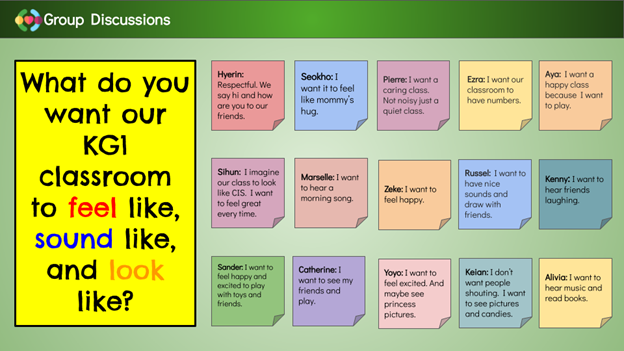
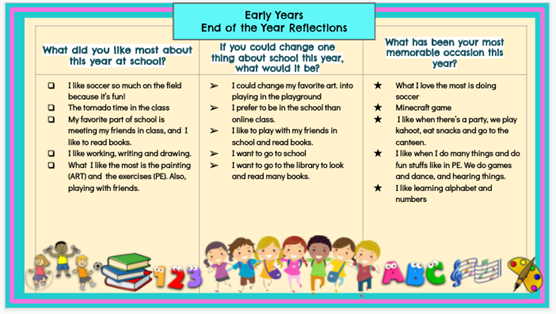 In answer to the first question, a common theme from the students across the school was
 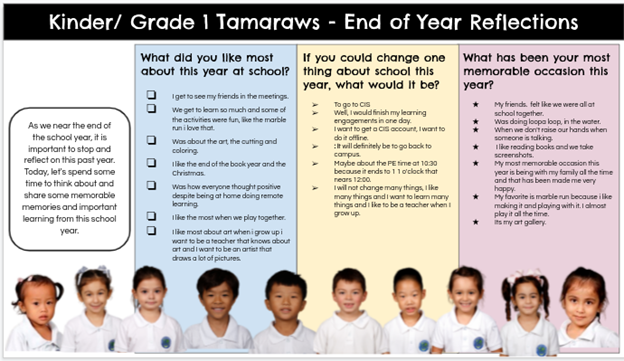 Early Years
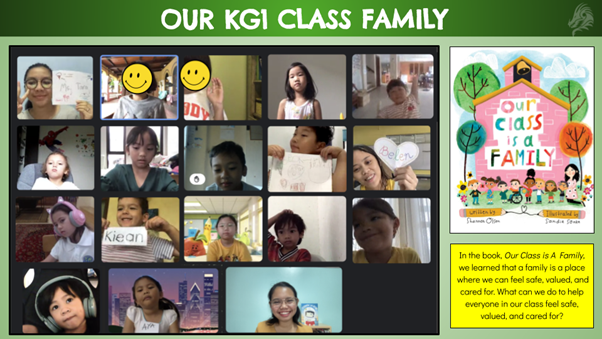
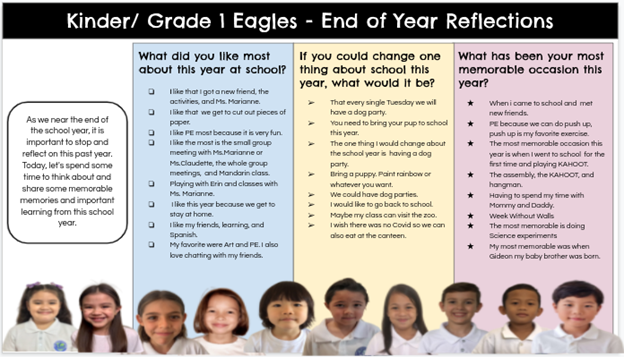 KG and Grade 1
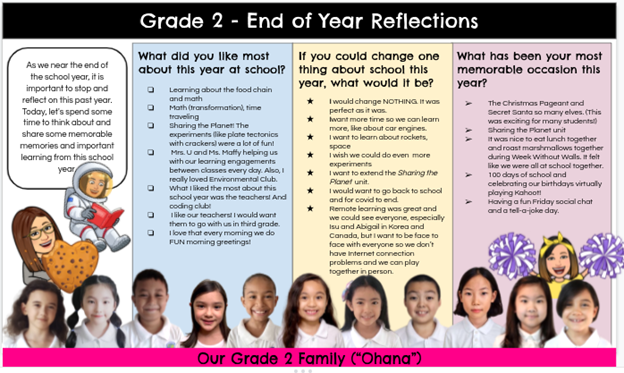 Grade 2
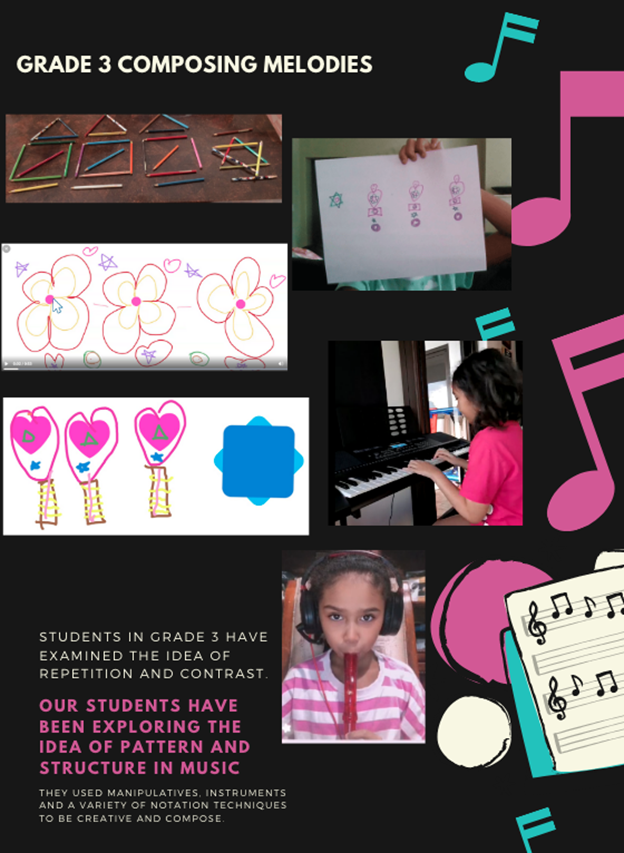
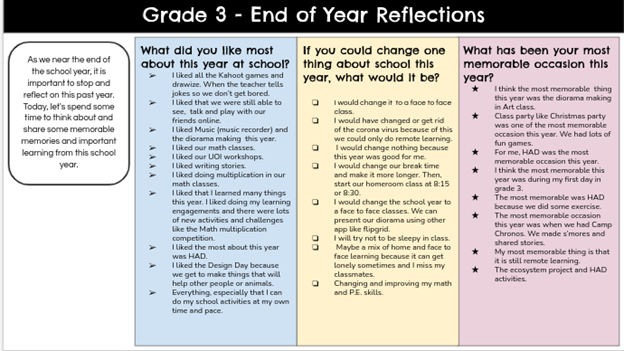 Grade 3
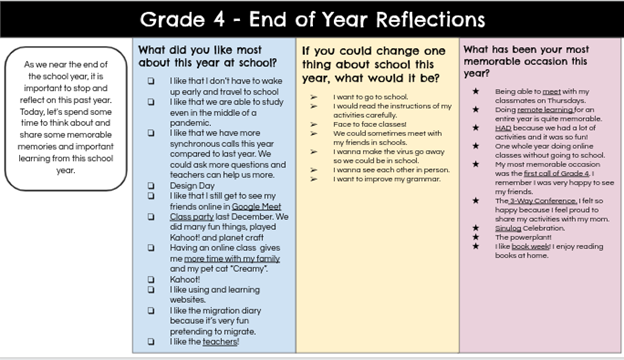 Grade 4
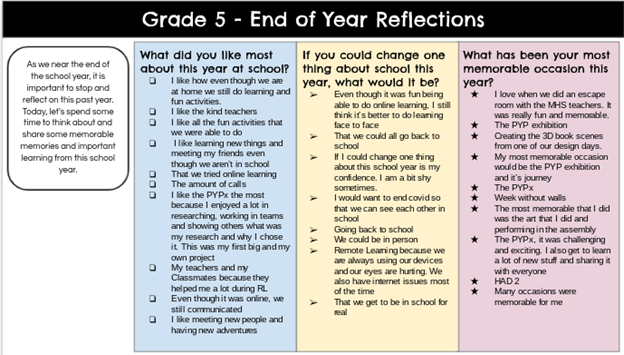 Grade 5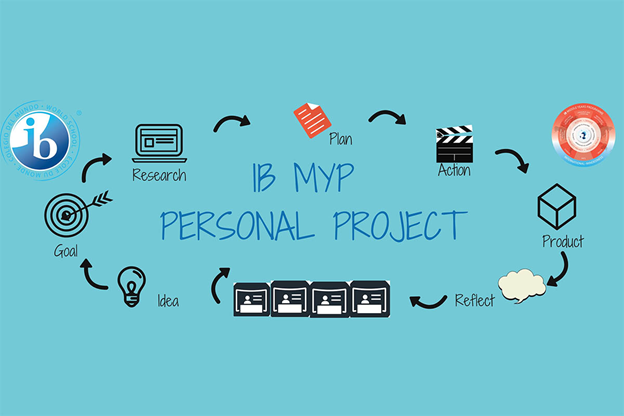
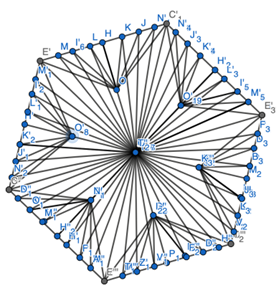
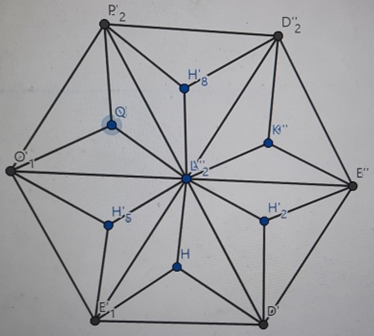 year students were able to use the online graphing software GeoGebra. This tool allows students to graph images and equations and use built in tools to transform the graphs.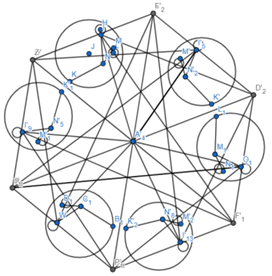
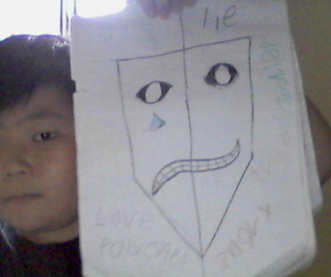
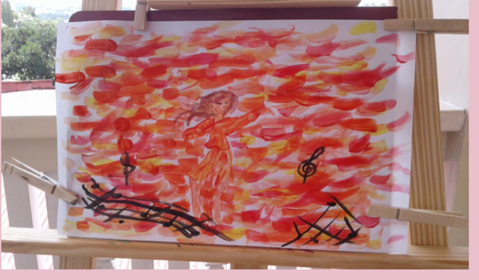
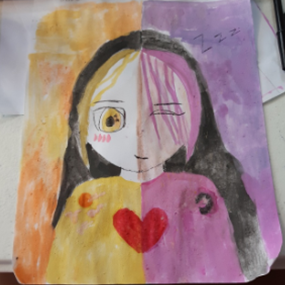
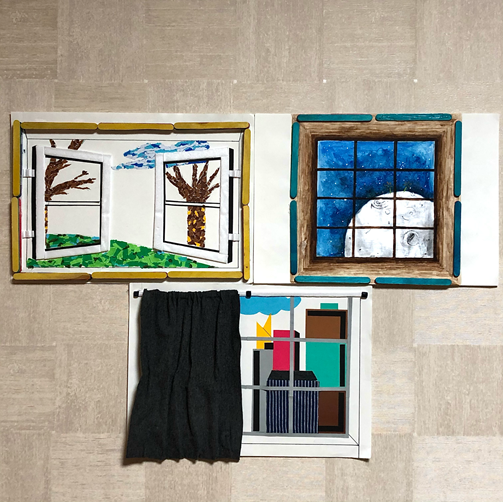 Visual art in the MYP arts curriculum reflects the collective concepts and culture of great thinkers in the arts enhancing the way in which our students approach art-making through a creative and stimulating process that aims to generate in them a strong sense of agency. The MYP acknowledges the contribution of different cultures and experiences throughout time adding a life-long experience of a wide range of creative and cultural dimensions of art activities to benefit students in their artistic development. An integral part of the MYP curriculum is the process of making ideas a reality through the application of the skills and practices of the visual arts. Students of the MYP Visual Arts study to understand art styles, art movements, artists’ practices, art terminology, and specific artworks to allow a language of visual communication to flourish. Through studio work, students develop their technical skills, observation skills, and intellectual aspects of visual art such as critical and creative thinking, providing them with the ability to incorporate ideas into their own work.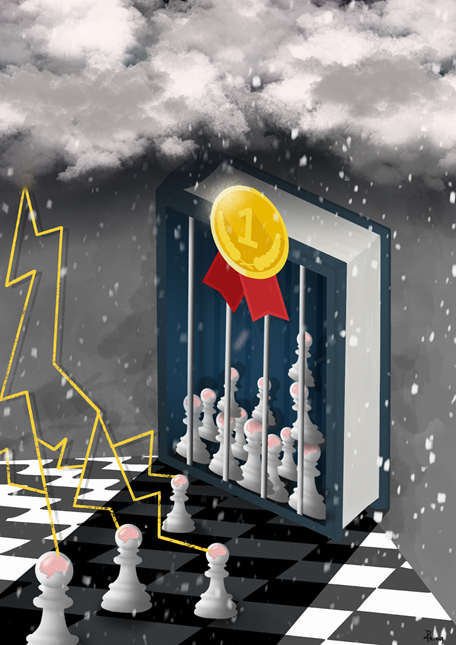



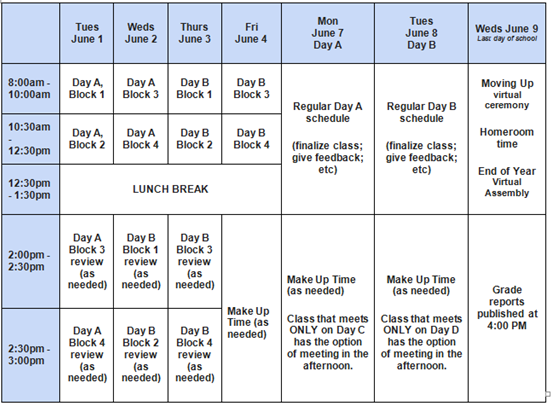 I am sharing our End of Year Schedule for MHS, including our Assessment Schedule for next week. The MHS teachers have collaborated to create a schedule that we feel allows us to assess student learning appropriately while not overburdening them with too much work being due on any given day. Although our students are sometimes anxious about assessments (especially tests), these can actually be seen as an opportunity for students to powerfully demonstrate what they have learned and what they can do. With our shift to more product and performance assessments this is now the case more than ever. Students striving to reach the explicitly laid out Assessment Criteria means that they have a clear target to aim for as they complete these assessments.
 Source: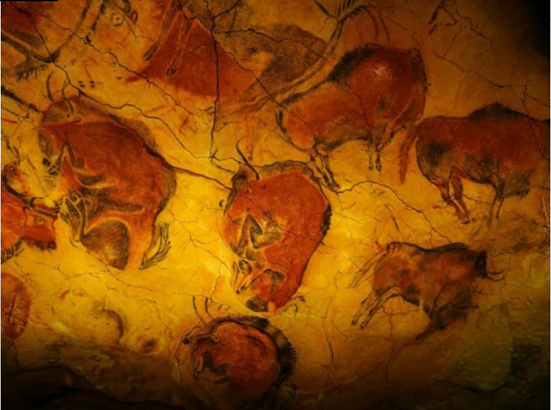
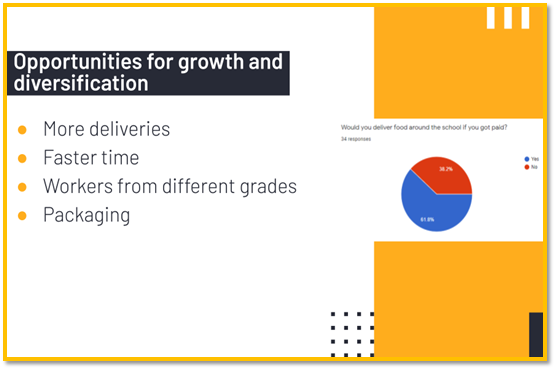
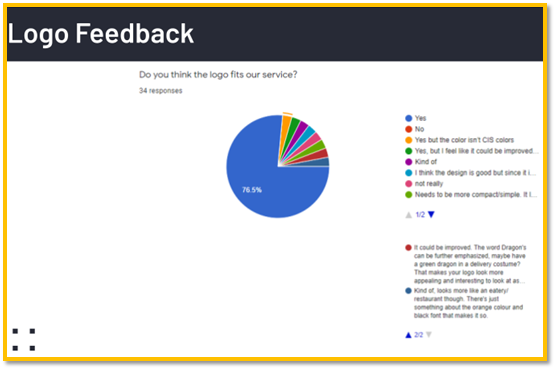 probing the pitches for oversights, but they were impressed by the knowledge and hard work so clearly on display. Here is one of the best pitches of the week, from Stefen and Edrigu. Their company – ‘Dragons’ Delivery’- had the Sharks circling immediately!
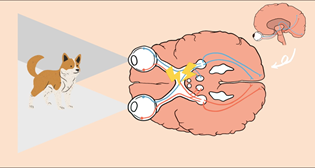 We learned about how the brain uses our past experiences (perceptual set) in order to dictate how we perceive the world. This unit had really opened my eyes to how our brain deciphers the sensations that are collected by our sense organs. Overall, it was really interesting to see everyone’s depiction of the processes of sensation and perception and how different illusions can trick our minds.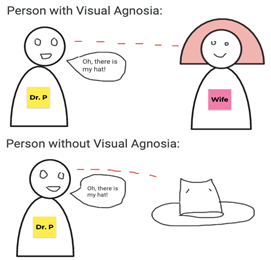
 My presentation focused on the somatosensory system which is the huge network that allows us to touch an object and interpret it with our brain and different receptors. It was meaningful to learn deeply about the process of how sensation and perception works in every second of our lives. –
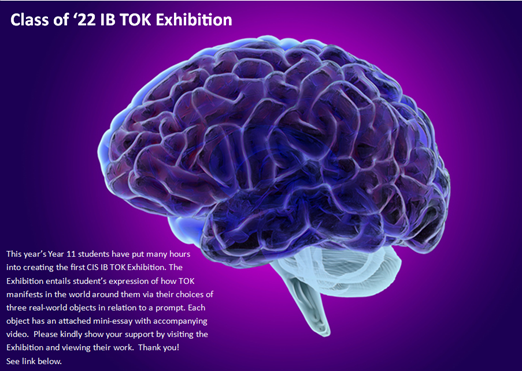 This year was a new and challenging year in TOK. For the first time the previous Presentation assessment had been dropped and the new TOK Exhibition introduced. It would also be an introduction coinciding with the adaptive and innovative requirements of the pandemic.
  Caramoan Bicol
 Here’s what Ms. Jean Naval our community leader there in Caramoan has to say;
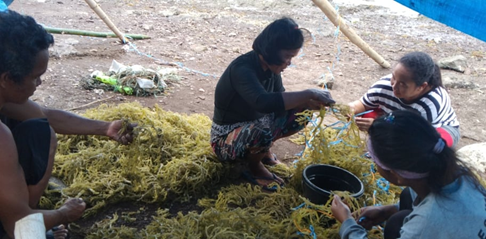
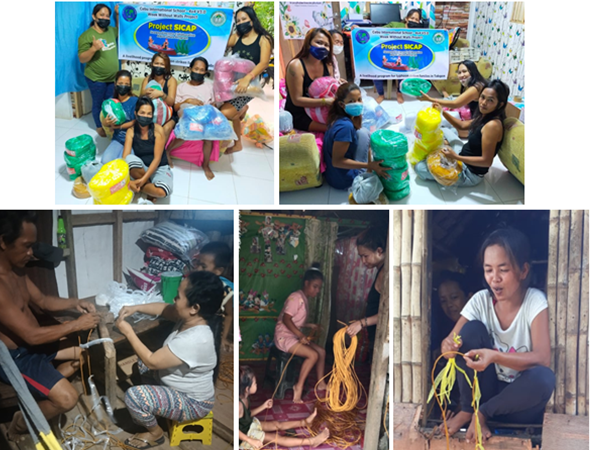 A spring of hope once again was seen on the horizon when, on a day of November just after the typhoon, Cebu International School contacted me. This started the journey and opened the door for new beginnings through Project SICAP (Seaweed Income Collaborative Aquaculture Program), a joint Livelihood project that aims to help the 7 families to rise again.

 This week the students have been working with their teachers to design their Celebration of Learning Day so that each learning from each subject area can be represented. The CIS PYP Curriculum is designed to prepare students for a rapidly changing world, one where the traditional realms of knowledge and skill become quickly outdated. In order to prepare students for this world the curriculum places considerable emphasis on
  5 students as they finish their education in Elementary School and prepare to transition to Middle High School.
  Of Inquiry and Key Questions, then employed their research skills through in-depth inquiries into their Central Idea.
  takers and knowledgeable communicators through capably conducting their live sessions.
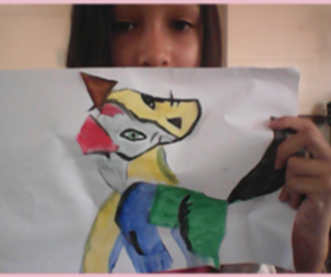
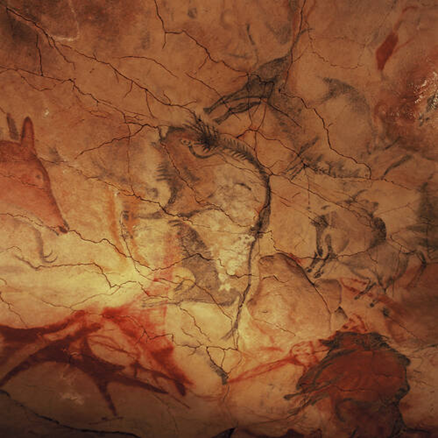
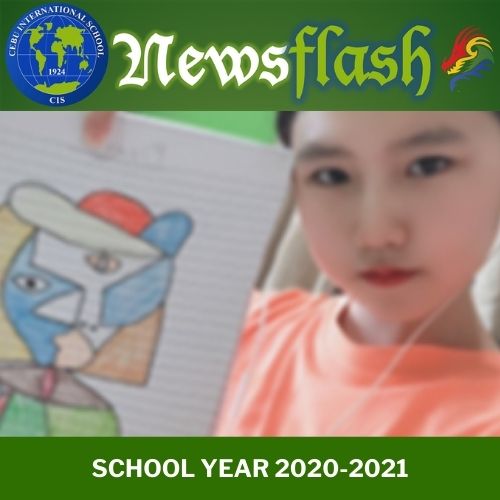
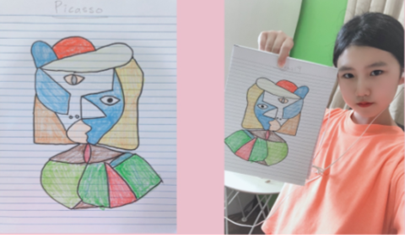 In other fields of learning, specifically in Arts, they are reading up about Cubism. Cubism was a revolutionary new approach to representing reality invented in around 1907–08 by artists Pablo Picasso and Georges Braque. They brought different views of subjects (usually objects or figures) together in the same picture, resulting in paintings that appear fragmented and abstracted.
 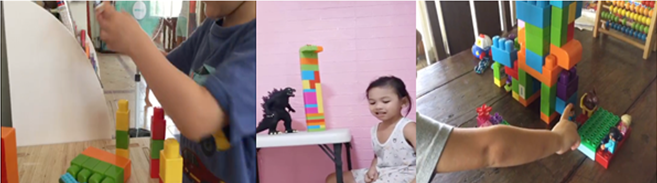 The Early Years participated in our story workshop and drew inspiration from the stories read during library classes. Having a story workshop process helped these young learner to develop their writing skills. They were able to build stories using different materials. The EYs made use of their imagination, life experiences and other familiar stories to create their own stories.
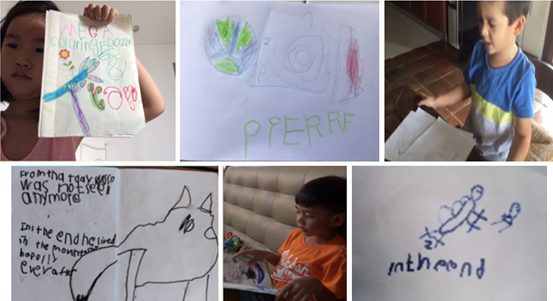 As they continued with the process, they managed to identify the characters, settings, and plot of their stories by using the transition words. At the end of the week, our young writers shared their stories in small groups and their stories were published in our Seesaw blog to allow others to share their friends’ stories and give comments or feedback.
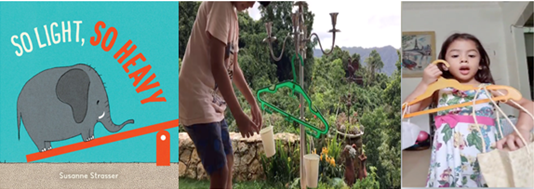 concept of heavy and light which allowed us to dive deeper and discover how heavy or light objects are. In math, our young learners made their own balancing scale to describe and explain their understanding of the concepts heavy and light. Now that we have a better understanding of the concepts heavy and light, we started to compare the length and weights of objects.
 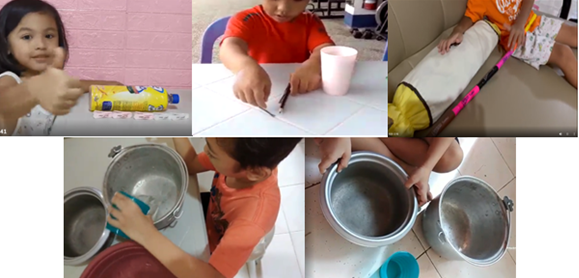 Our youngest learners continued learning about the concepts of long and short as well as the concept of more or less by demonstrating simple measuring experiments. The Early Years showed their understanding of the math concepts by using different objects as a tool to measure and compare things. They demonstrated and shared their knowledge of the concept of capacity and concluded that containers can hold different things based on their size and shape.
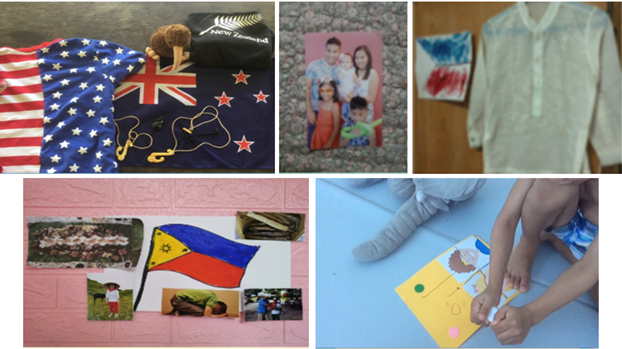 As we continue with our unit on Where We Are In Place and Time, The Early Years collected some items that represented their families and traditions. They started to build on their understanding of where and how family traditions began by sharing some items from their families and the countries where they are from. As we are about to end our unit, we continue to inquire into the concept of Responsibility and we learn, respect, acknowledge and understand other families’ traditions.